
Free written scope consultation - allowances, timeline, and change-order rules on paper before a single trade is scheduled
 Before
 After
After Before
 After
After Before
 After
AfterQuikrete Roofing: The San Jose Owner’s Guide
Quikrete roofing systems in San Jose typically run $470-$2,125 to repair and $9,440-$23,600 to replace, depending on whether the issue is localized membrane failure or full substrate degradation. We stock Quikrete-compatible patching compounds, acrylic elastomeric coatings, and reinforcement fabrics on our San Jose trucks, and we can usually inspect and quote same day for active leaks. Most homeowners discover the problem after the first heavy rain, when a water stain spreads across the ceiling or a musty smell turns up in the attic - by which point the Quikrete membrane has often been compromised for months.
Which Quikrete Models This Applies To
Quikrete’s roofing line isn’t branded by model year the way a car is. What matters is the system generation: the older asphalt-modified acrylics (sold roughly 2008-2016) versus the current high-build elastomeric series with polyester reinforcement. Check the bucket label or the paperwork left by your previous contractor - the product code starts with QK-RF for reinforced fabric systems, or QK-EC for standard elastomeric coating. The critical compatibility gotcha in San Jose is that the 2014-2016 transition-period products used a thinner mil thickness (10-12 dry mils) that doesn’t bond reliably to the newer 20-mil formulations without a full scarify-and-prime prep. We’ve seen three Willow Glen homeowners this year learn that the hard way when they tried to spot-coat over the old layer.
OEM Quikrete parts - the factory-matched coating, fabric rolls, and termination bars - are what we spec for warranty jobs. For budget repairs on older systems, we also carry GAF and Henry aftermarket equivalents that meet the same ASTM D6083 elasticity standard. The difference is track record: Quikrete’s own acrylic has held up through 18 years of Santa Clara Valley thermal cycling in our documented photo records, while some aftermarket brands we’ve tested show checking at year seven. We name the brand on the written quote so you know what you’re buying.
Signs Your Quikrete Roofing Is Failing
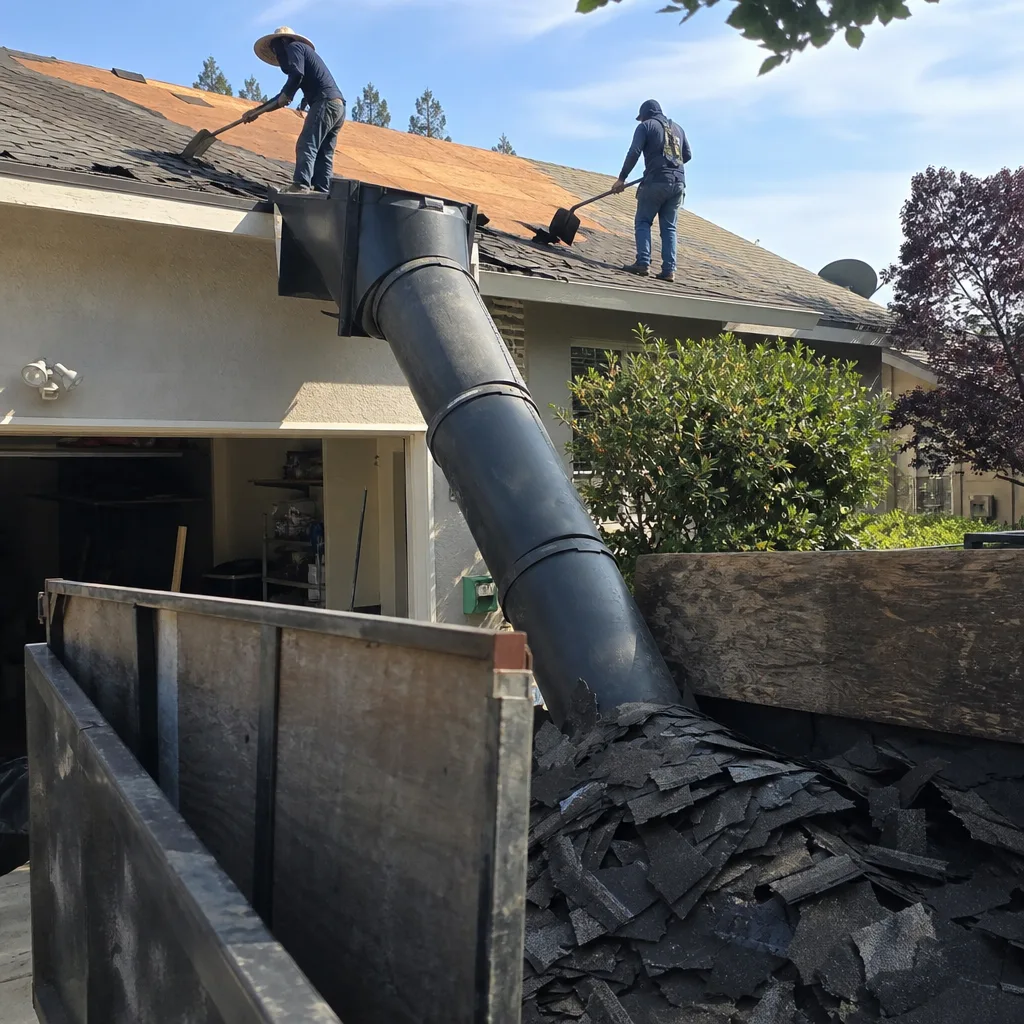
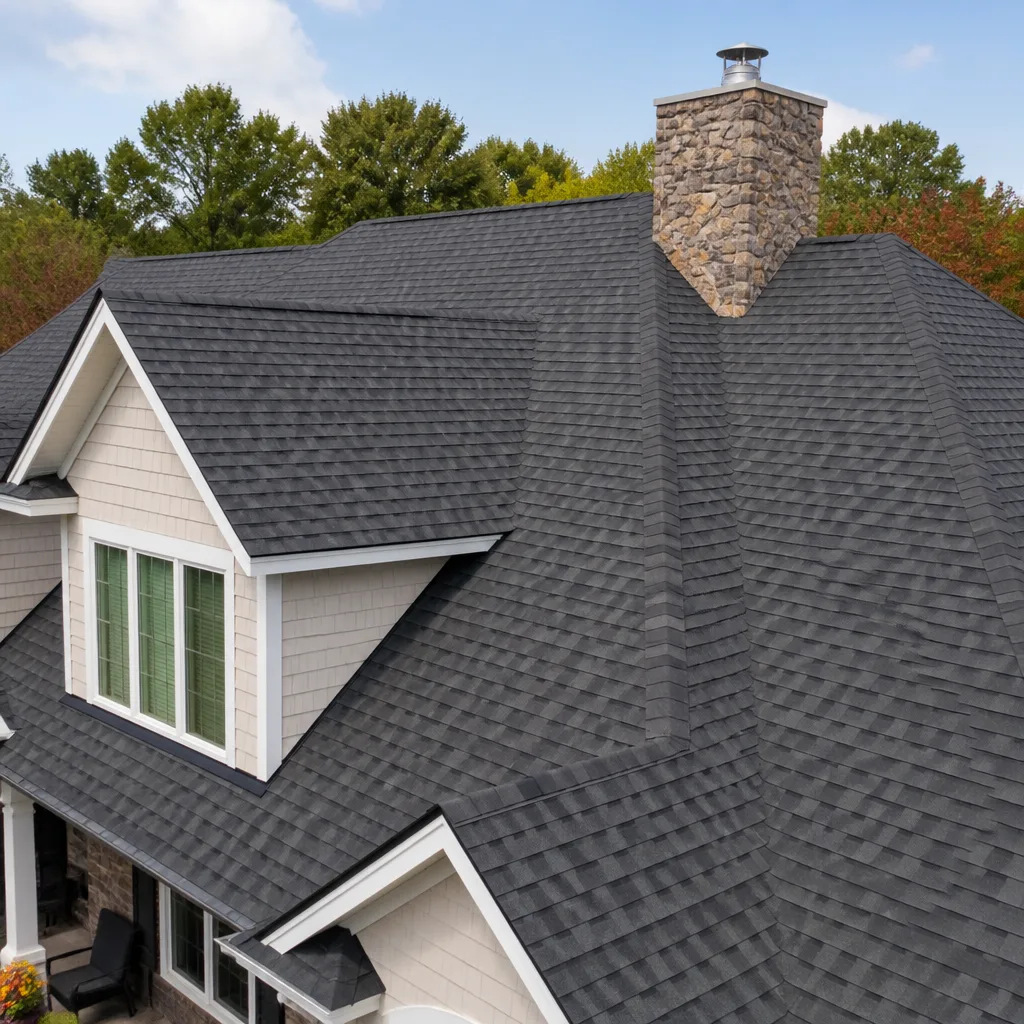
- Alligatoring or surface cracking - The coating has lost elasticity after years of UV exposure and expansion-contraction cycles. In San Jose’s inland heat, this typically appears first on south-facing slopes where roof surface temps hit 160°F.
- Ponding water that doesn’t evaporate within 48 hours - Indicates either structural deflection or a breached membrane that’s allowing water into the substrate. The Quikrete system is designed to shed water; standing water means the coating’s waterproofing layer has failed.
- Bubbles or blisters under the coating surface - Trapped moisture is off-gassing between the substrate and the membrane. This accelerates in San Jose’s dry summers when the moisture flash-evaporates and lifts the coating.
- Flaking or chalking that rubs off on your hand - The acrylic resin has UV-degraded past the point of protection. The coating is now porous, and rain is reaching the underlayment.
- Interior stains that grow after rain but dry slowly - Water is migrating through a compromised Quikrete membrane, running along rafters, and finding an entry point far from the actual breach. The leak location and the damage location are rarely the same.
 Before
 After
AfterReplacement Cost & What’s Included
Repair work on Quikrete roofing in San Jose runs $470-$2,125, with most single-area patches landing between $825 and $1,475. Full system replacement - scarify old coating, repair substrate, apply new primer, two coats of high-build elastomeric, and polyester reinforcement at all transitions - ranges $9,440-$23,600 depending on roof square footage and access difficulty. Steeper pitches or homes in the Almaden Valley hills with limited truck access push toward the upper end.
Every quote is a flat written price with line-item scope: coating type and mil thickness, fabric reinforcement footage, fasteners and termination bar count, and labor hours estimated. Under Clause 1 of the Haven Standard, that price is locked before work starts. The 365-Day Done Right Promise covers the installation; manufacturer defects in the Quikrete product itself are handled through their standard warranty. We pull permits when the city requires them - San Jose generally does for full recover or replacement, not for spot repairs under 100 square feet.
DIY or Call Us?
There’s a safe middle ground here. A homeowner can walk the roof (with proper fall protection, on a dry day, with a spotter on the ground) and photograph the alligatoring, ponding, or blister locations. That documentation helps us quote accurately without a site visit fee. What you shouldn’t do is pressure-wash the surface to prep it - Quikrete membranes require low-pressure wash with specific dwell time for cleaners, and too many San Jose garages have collected water damage from homeowners who blasted the coating off the flashing.
Application is where DIY goes wrong. The high-build elastomeric must be applied at 20 wet mils per coat, measured with a wet-film gauge, in the right temperature window (50°F-90°F substrate temp, which in San Jose means morning work half the year). Miss the mil thickness or the recoat window, and you’ve got a $400 bucket of paint instead of a roofing system. For the actual repair or replacement, call (669) 271-8644. We’ll document the condition with photos before we start, and you’ll leave with the same record when we finish.
FAQs
A properly applied Quikrete elastomeric system lasts 10-15 years in Santa Clara County’s climate, with the south- and west-facing slopes showing wear first due to UV load. The 2014-2016 thin-mil formulations we’ve encountered in the Rose Garden and Naglee Park areas are averaging 8-11 years before major maintenance. Call (669) 271-8644 for an exact assessment of your roof’s condition - estimates are free.
Localized failures - a single blister field, a compromised penetration, or flashings that have separated - can be patched with compatible Quikrete materials if the surrounding membrane is still elastic. Once alligatoring covers more than 30% of the surface or multiple leak points appear, the substrate is usually compromised and spot repairs become a game of whack-a-mole. We evaluate this during inspection and note on the written quote whether we’re proposing repair or replacement.
A typical residential Quikrete re-coat or replacement runs 2-4 days: one day for prep and substrate repair, one day for primer and base coat, one day for reinforcement and finish coat, plus cure time before foot traffic. San Jose’s morning fog can push primer dry times toward the longer end in spring. We don’t quote start dates until the permit is in hand - measure twice, permit once, then we talk timeline.
We carry Quikrete-compatible coatings, primers, and polyester reinforcement on our San Jose trucks for repairs; full replacement quantities are ordered to spec once the written quote is accepted, typically 2-3 business day lead time from the distributor in San Leandro. For active leaks, we can usually apply a temporary elastomeric patch same day to stop water intrusion while the full material order arrives. Call (669) 271-8644 to schedule.
Rowan Construction Group San Jose is an independent service provider and is not affiliated with Quikrete. We also stock and install parts for KraftMaid, Cambria, and Silestone systems.
Written by Grant Rowan, Owner, Rowan Construction Group San Jose at Rowan Construction Group San Jose, serving San Jose and nearby areas.