
Free written scope consultation - allowances, timeline, and change-order rules on paper before a single trade is scheduled

 Before
 After
After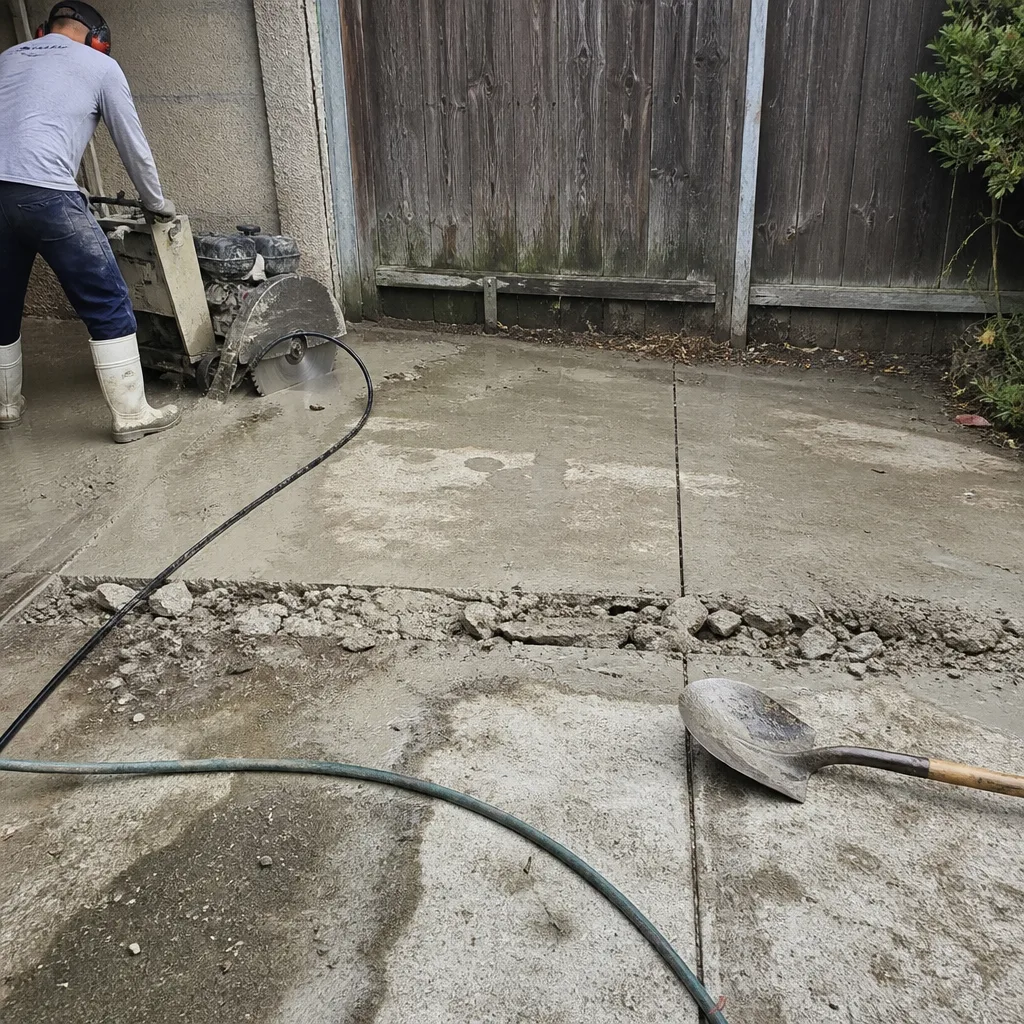 Before
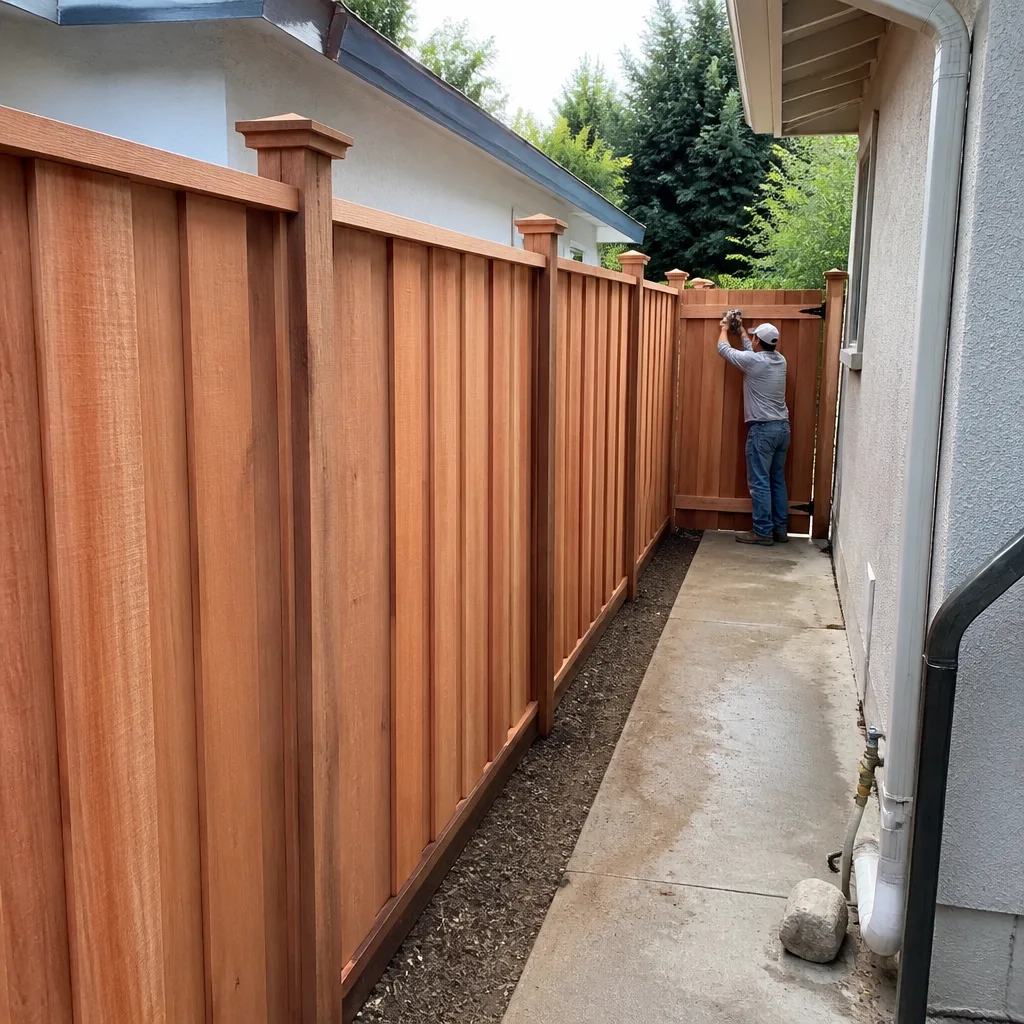 After
After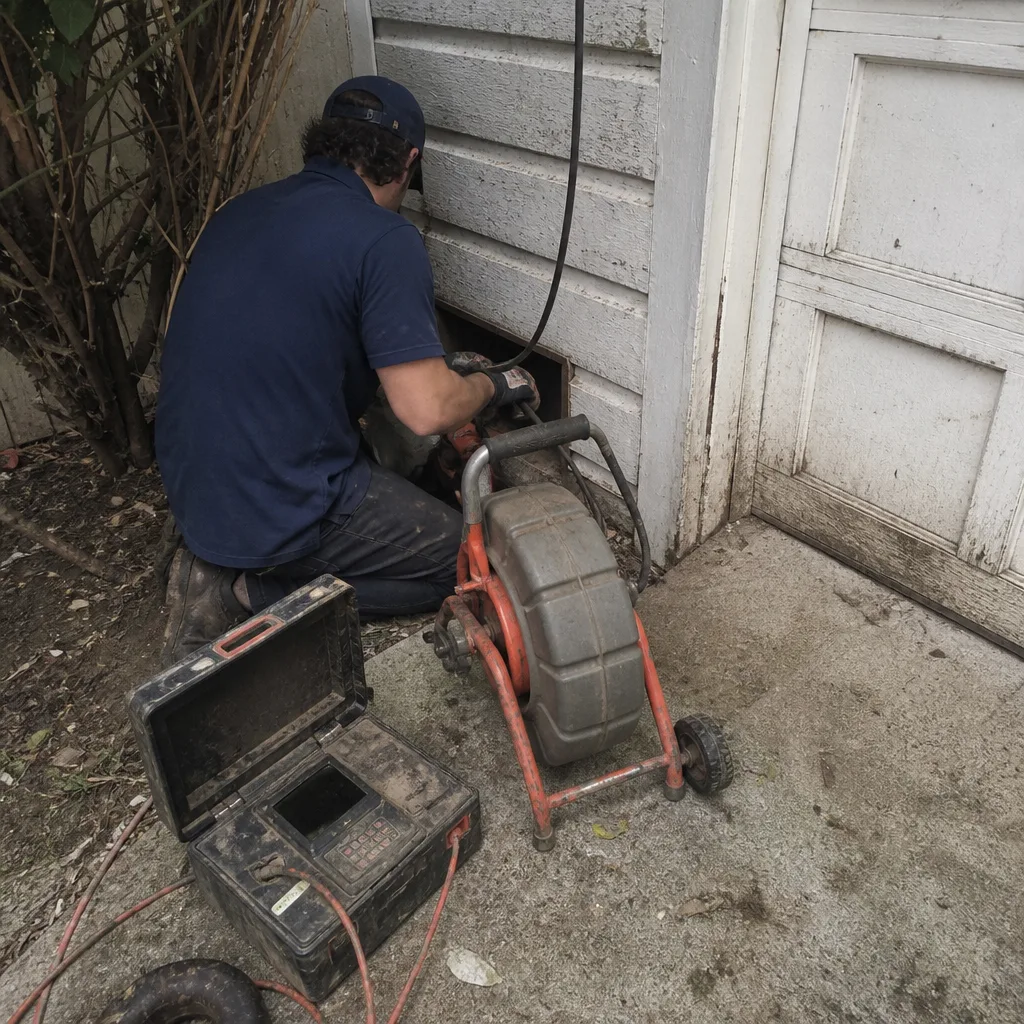 Before
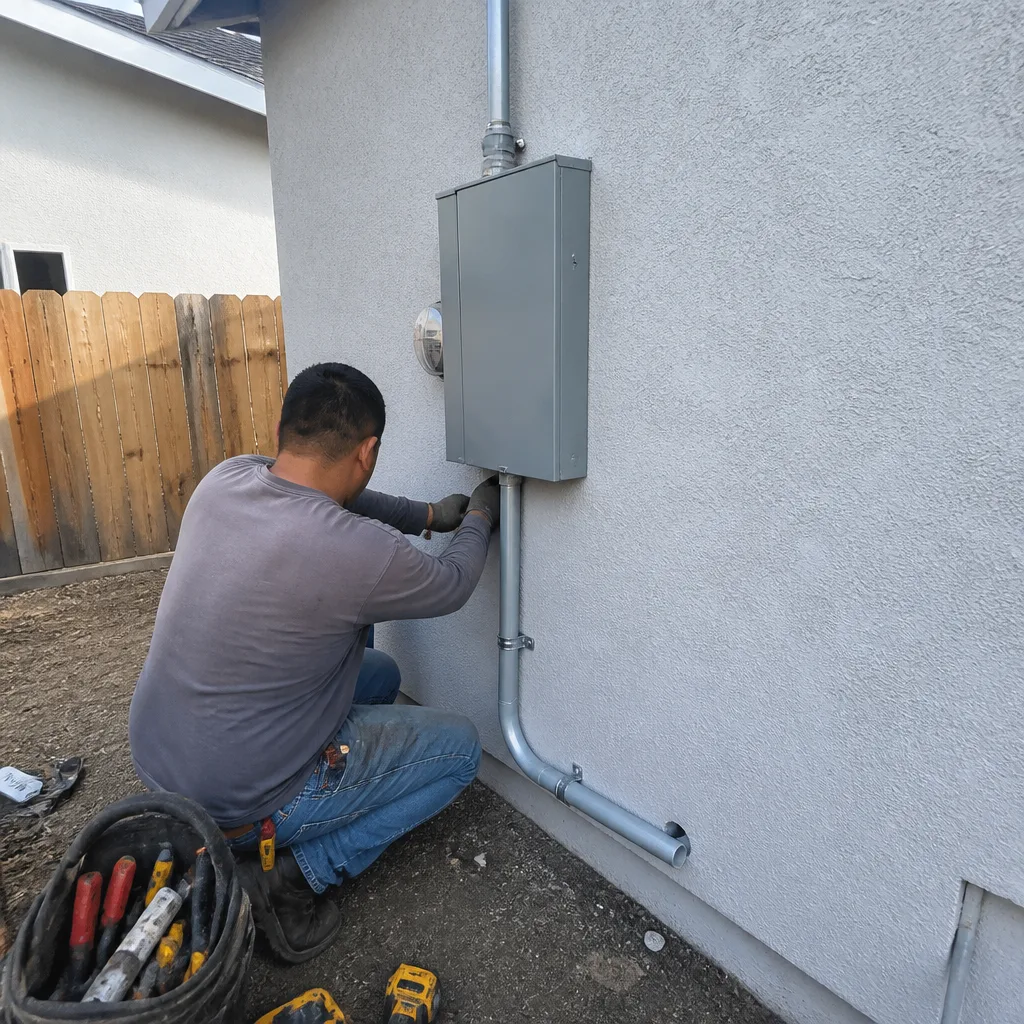 After
AfterPlant Prefab Roofing: The San Jose Owner’s Guide
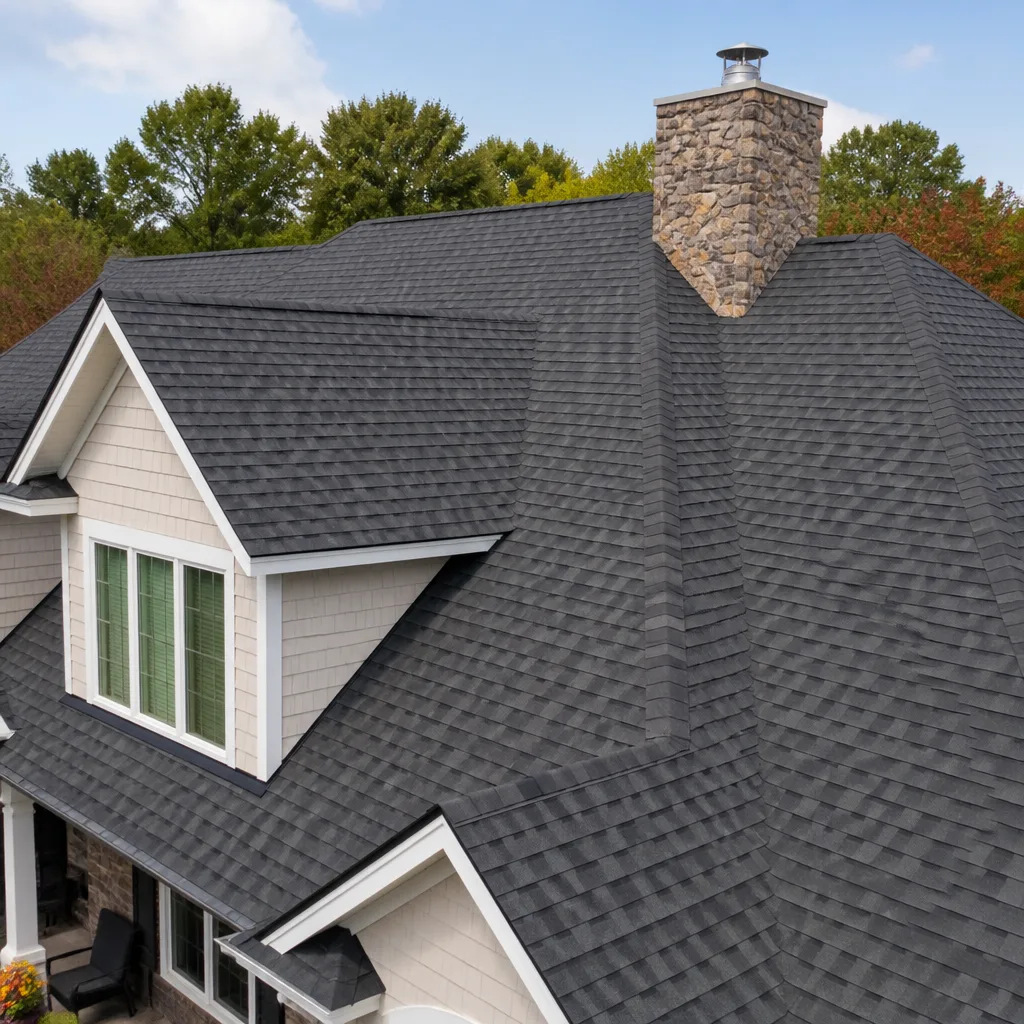
Plant Prefab roofing repair in San Jose typically runs $470-$2,125 for standard repairs and $9,440-$23,600 for full replacement, with most compatible membrane and flashing components available same-day from our local inventory. We stock and install roofing specifically matched to Plant Prefab’s panelized construction system, including the low-slope membrane assemblies and standing-seam metal transitions that differ from conventional stick-built roofs. Most San Jose owners discover a problem after the first heavy winter rain, when water tracks along the panel seams near the roof-to-wall junction or pools behind the parapet flashing that Plant Prefab specs on their flat-roofed models.
Which Plant Prefab Models This Applies To
Plant Prefab has shipped three primary product families into the San Jose market since 2016: the LivingHome series (single-story and two-story), the Treehouse line (compact accessory dwelling units), and the more recent Apex models with integrated solar-ready decking. The roofing system varies by generation. Pre-2019 LivingHomes used a 60-mil TPO membrane with mechanically attached seams; post-2019 builds switched to a self-adhered SBS-modified bitumen layer over rigid polyiso, which handles San Jose’s thermal cycling better but requires different repair materials.
To identify your exact system, check the equipment label inside the electrical panel or the mechanical chase. The model string starts with LP- for LivingHome, TH- for Treehouse, or AP- for Apex. The third digit indicates the roof spec: 1 for low-slope membrane, 2 for standing-seam metal, 3 for composite shingle (rare in local builds). We carry both the OEM-spec Carlisle Sure-Weld TPO and the comparable Firestone UltraPly for the pre-2019 membrane roofs, plus the exact Englert 24-gauge standing-seam profile used on Apex metal systems. The aftermarket membranes we stock meet the same ASTM D6878 spec as the OEM but install faster because the seam width is slightly more forgiving, which matters on Plant Prefab’s tighter panel tolerances.
Signs Your Plant Prefab Roofing Is Failing
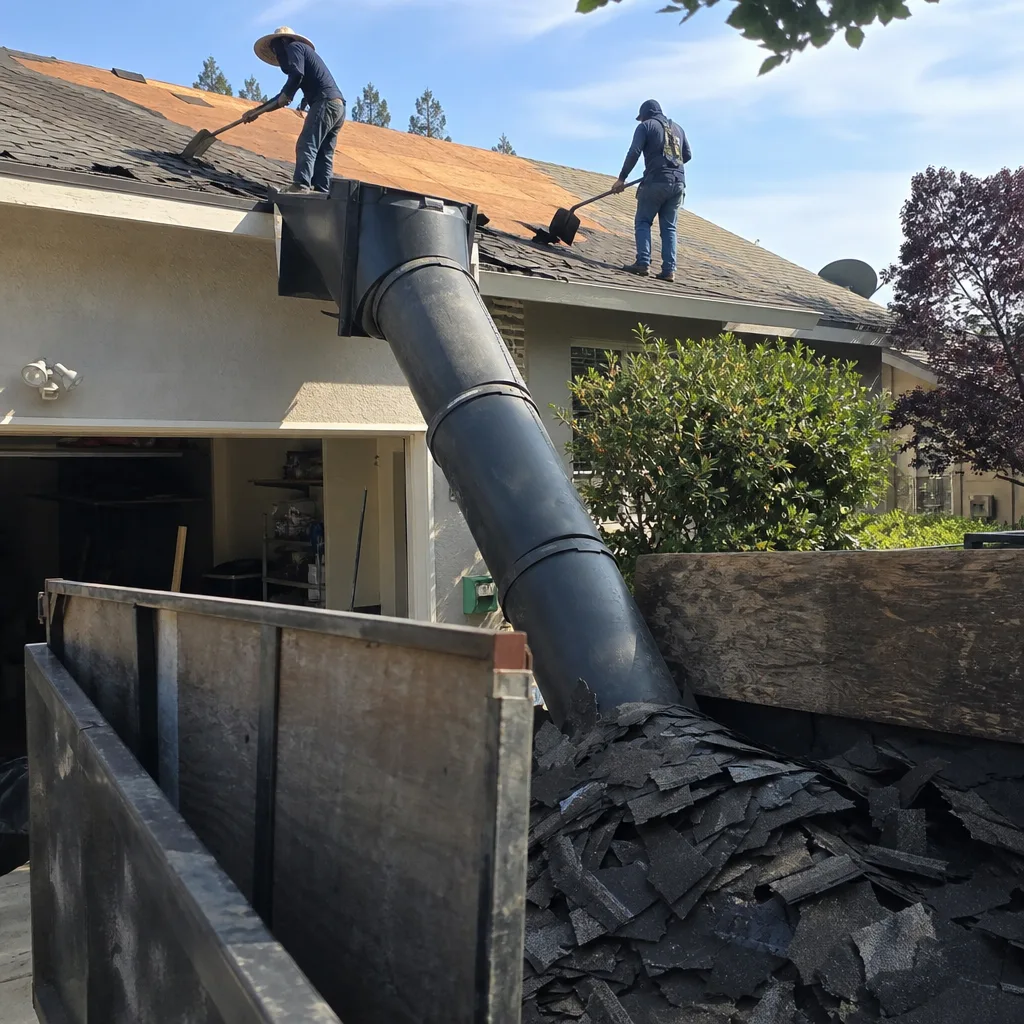
- Water staining on ceiling panels near roof edges. Plant Prefab’s panel joints create a natural thermal bridge at the eave line, and the butyl tape sealant degrades faster there than in conventional construction. In San Jose’s dry summers, the tape can harden and crack before owners notice; the first winter rain reveals the gap.
- Bubbling or tenting of the membrane surface. This indicates trapped moisture between the TPO and the polyiso substrate, usually from a puncture during solar installation or HVAC service. Plant Prefab roofs have only 1.5 inches of slope per foot on the low-slope models, so water migrates slowly and the bubble grows from the bottom up.
- Standing-seam metal panels that rattle or lift in wind. The clip system Plant Prefab specifies for thermal expansion can back out if the original installer used the wrong torque setting. We’ve found this twice in Willow Glen installations where the builder substituted a generic clip for the Englert-specified stainless unit.
- Parapet wall staining or efflorescence. The scupper drains on Plant Prefab flat roofs are factory-cut to a standard 4-inch width, but San Jose’s oak leaf debris clogs them faster than the design assumes. Overflow backs up behind the coping cap and weeps through the wall assembly.
- Sudden spike in cooling costs with no HVAC change. Wet polyiso loses most of its R-value. A membrane breach the size of a nail head can saturate the substrate across a 10-foot radius in San Jose’s fall rain pattern, and the HVAC compensates without any visible interior sign for weeks.
 Before
 After
AfterReplacement Cost & What’s Included
Our San Jose pricing for Plant Prefab roofing work follows the same structure we use across all seven trades: a written, line-item quote before anyone touches the ladder. For repair work, expect $470-$2,125 depending on whether we’re patching a localized membrane section or replacing a full standing-seam panel run. Full roof replacement on a typical 1,200-square-foot Plant Prefab LivingHome runs $9,440-$23,600, with the variance driven by three factors: membrane versus metal, whether the polyiso substrate is salvageable, and whether the integrated solar conduit needs re-routing.
Every quote includes the documented photo record of existing conditions, removal and responsible disposal, new materials with matching spec, installation per Plant Prefab’s published detail drawings, and our 365-Day Done Right Promise backed by The Haven Standard. We pull permits through the City of San Jose and schedule inspection before we invoice. Under Clause 1, the price is written before anyone starts; under Clause 4, no change proceeds without a signed change order, which is how we’ve kept 4,000-plus projects within a few percent of the agreed number since 2007.
DIY or Call Us?
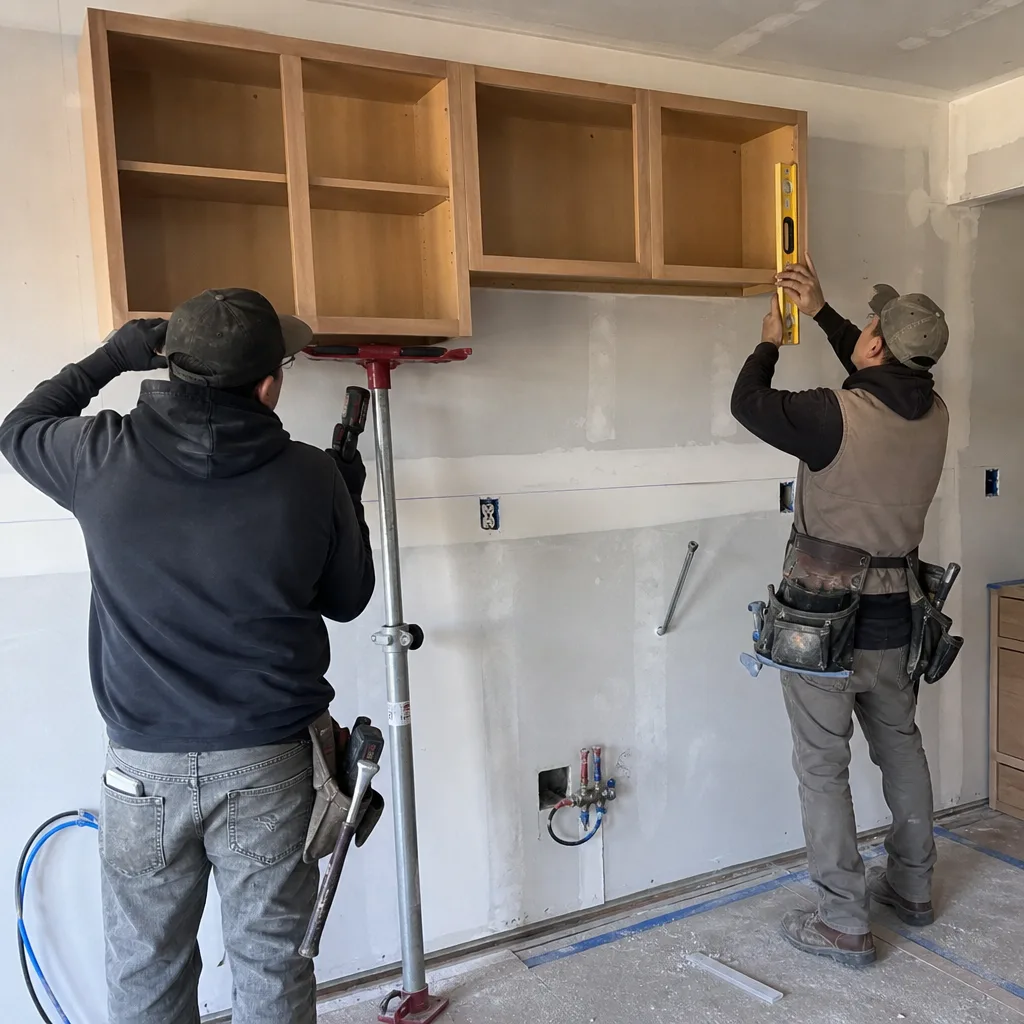
There’s a safe middle ground for Plant Prefab owners. You can clear scupper drains, check the equipment label for your model spec, and photograph any interior staining for documentation. What you should not attempt: membrane welding, standing-seam panel removal, or substrate assessment. The TPO seams require a hot-air welder set to 600°F with precise speed control; too slow and you burn through the membrane, too fast and the lap peels in the next wind event. Standing-seam panels are tension-locked and release with specialized hand tools that most homeowners don’t own.
More critically, Plant Prefab roofs are structural diaphragms. Removing a panel without temporary bracing can compromise the lateral stability of the wall system. We’ve corrected two DIY attempts in San Jose where the owner cut a membrane patch too small and trapped moisture deeper into the assembly. The fix cost more than the original repair would have. Measure twice, permit once, then we talk timeline. Call (669) 271-8644 and we’ll schedule a free estimate with a written price before any work starts.
FAQs
The TPO membrane systems installed before 2019 typically show end-of-life at 18-22 years in San Jose’s climate, which is shorter than the 25-year manufacturer rating because UV exposure at our latitude is more intense than the Midwest test data assumes. Post-2019 SBS-modified bitumen systems are tracking toward 25-30 years based on our inspection records. Call (669) 271-8644 for an exact assessment of your roof’s remaining service life - estimates are free.
Localized damage under 25 square feet with dry substrate underneath is almost always repairable; we heat-weld a patch or replace individual standing-seam panels. If the polyiso is saturated across more than one structural bay, or if there are multiple failure points, replacement is the honest recommendation. We document both options with photos and a line-item quote for each. Call (669) 271-8644 to schedule your free estimate.
A typical 1,200-square-foot LivingHome takes 4-6 working days from tear-off to final inspection, assuming standard membrane or metal replacement with no substrate damage. Add 2-3 days if the polyiso needs full replacement, or if we’re coordinating with a solar contractor on the conduit re-routing. We schedule City of San Jose inspection before we invoice, so the timeline includes permit approval. Call (669) 271-8644 for a written schedule with your quote.
We stock Carlisle TPO membrane in 10-foot rolls, Englert 24-gauge standing-seam panels in charcoal and aged copper (the two most common Plant Prefab finishes), compatible fasteners, and the full range of peel-and-stick flashing for the post-2019 bitumen systems. Components we don’t carry day-of, including custom color metal or the rare shingle-spec roofs, arrive within 48 hours through our supplier network. Call (669) 271-8644 to confirm availability for your specific model.
Rowan Construction Group San Jose is an independent service provider and is not affiliated with Plant Prefab. We also stock and install parts for KraftMaid, Cambria, and Silestone products.
Written by Grant Rowan, Owner, Rowan Construction Group San Jose at Rowan Construction Group San Jose, serving San Jose and nearby areas.