
Free written scope consultation - allowances, timeline, and change-order rules on paper before a single trade is scheduled
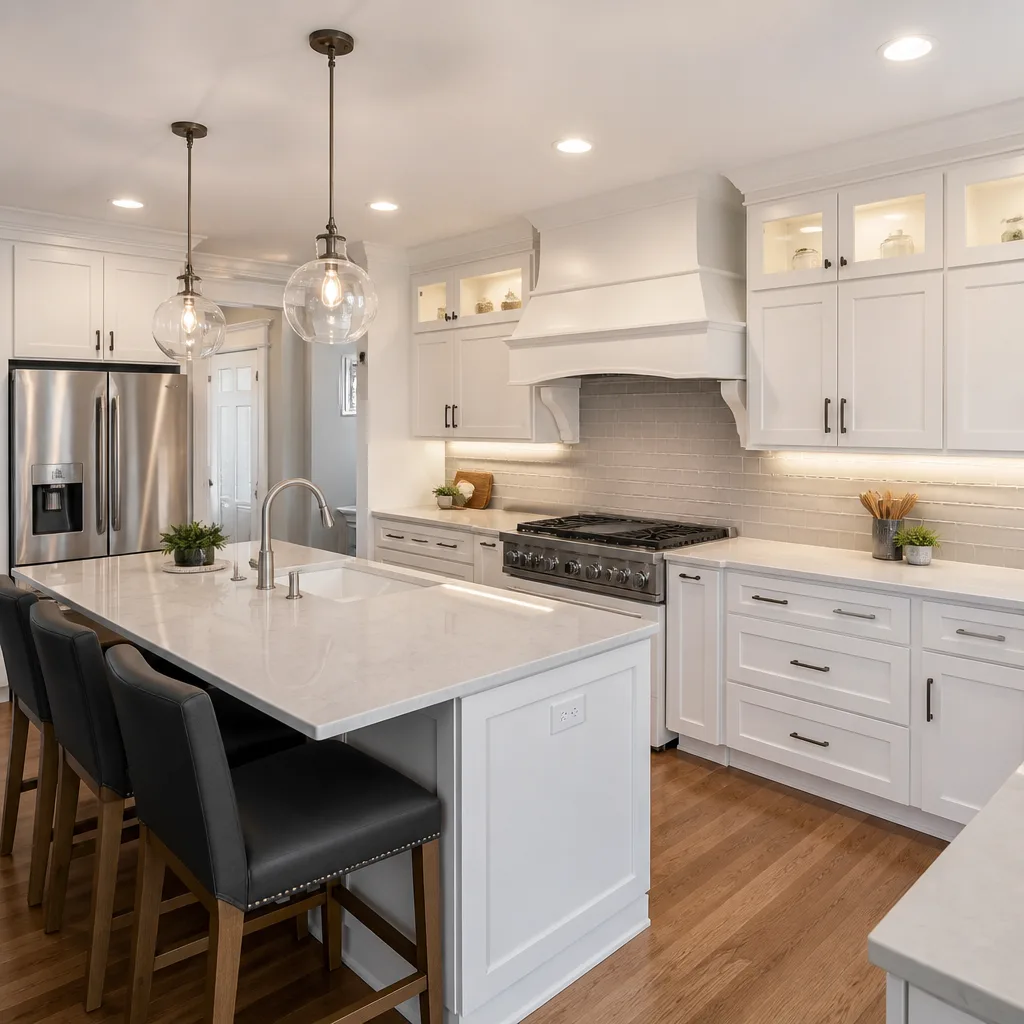
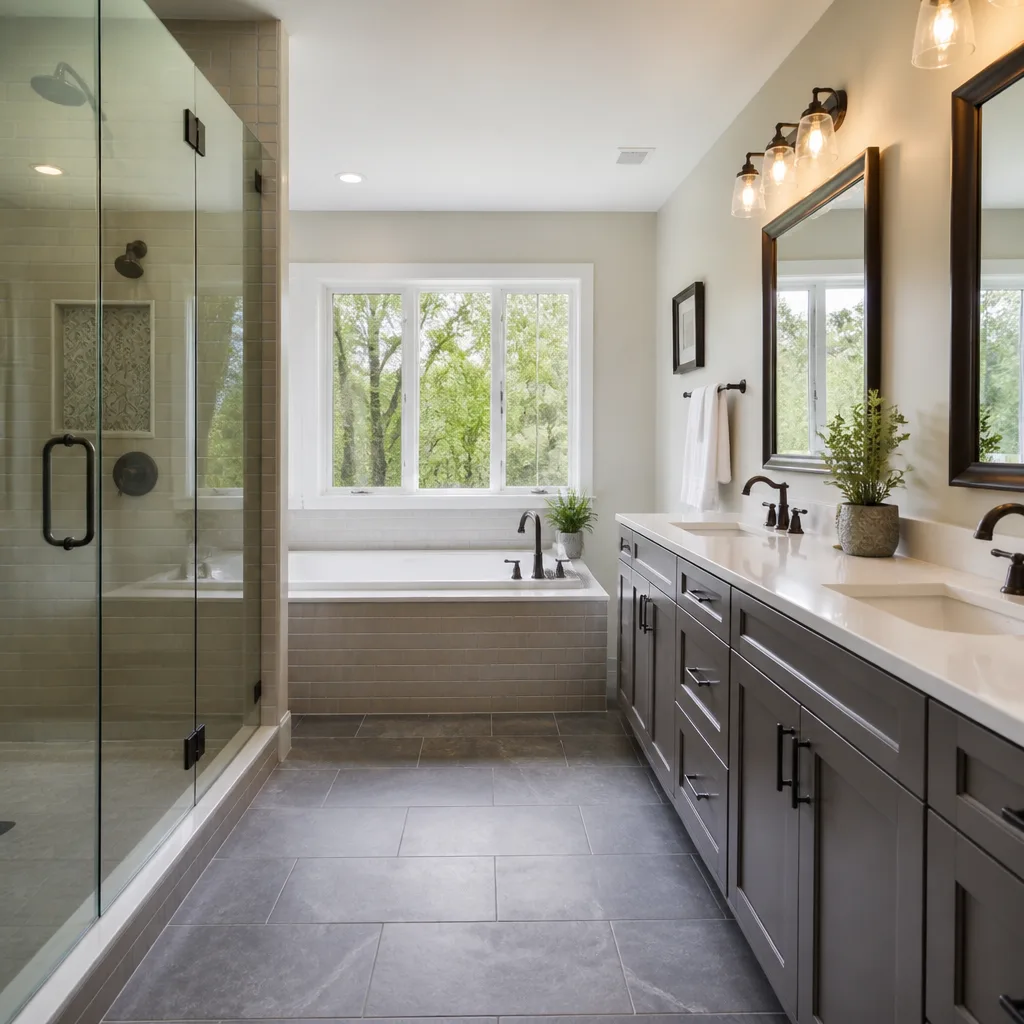
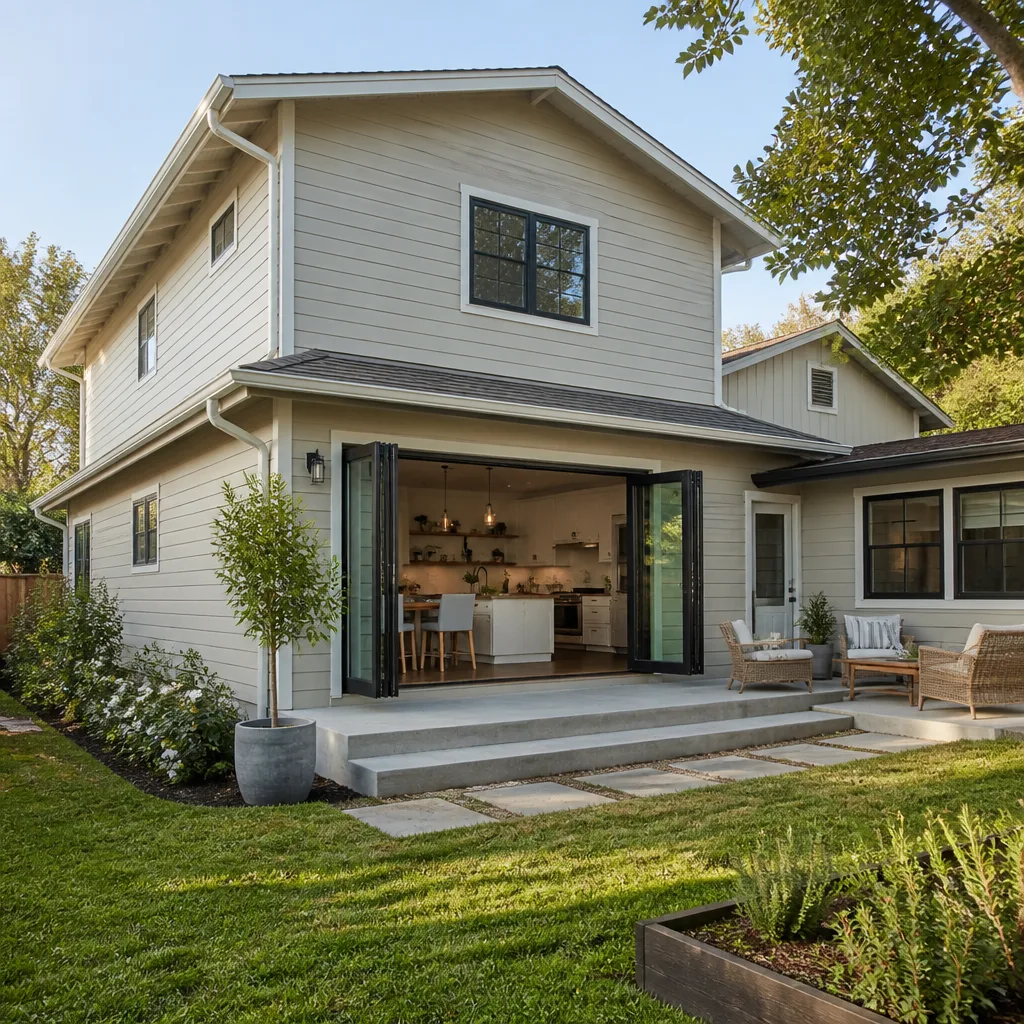
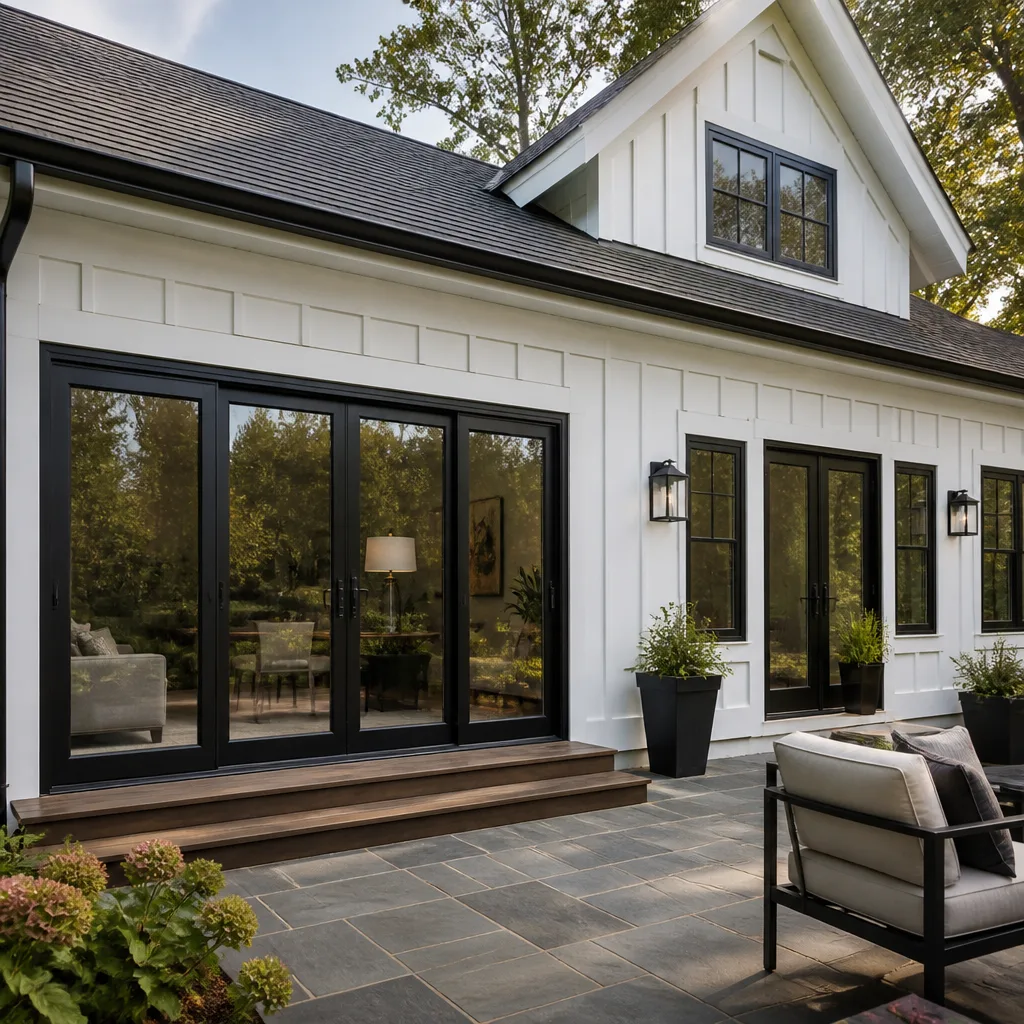
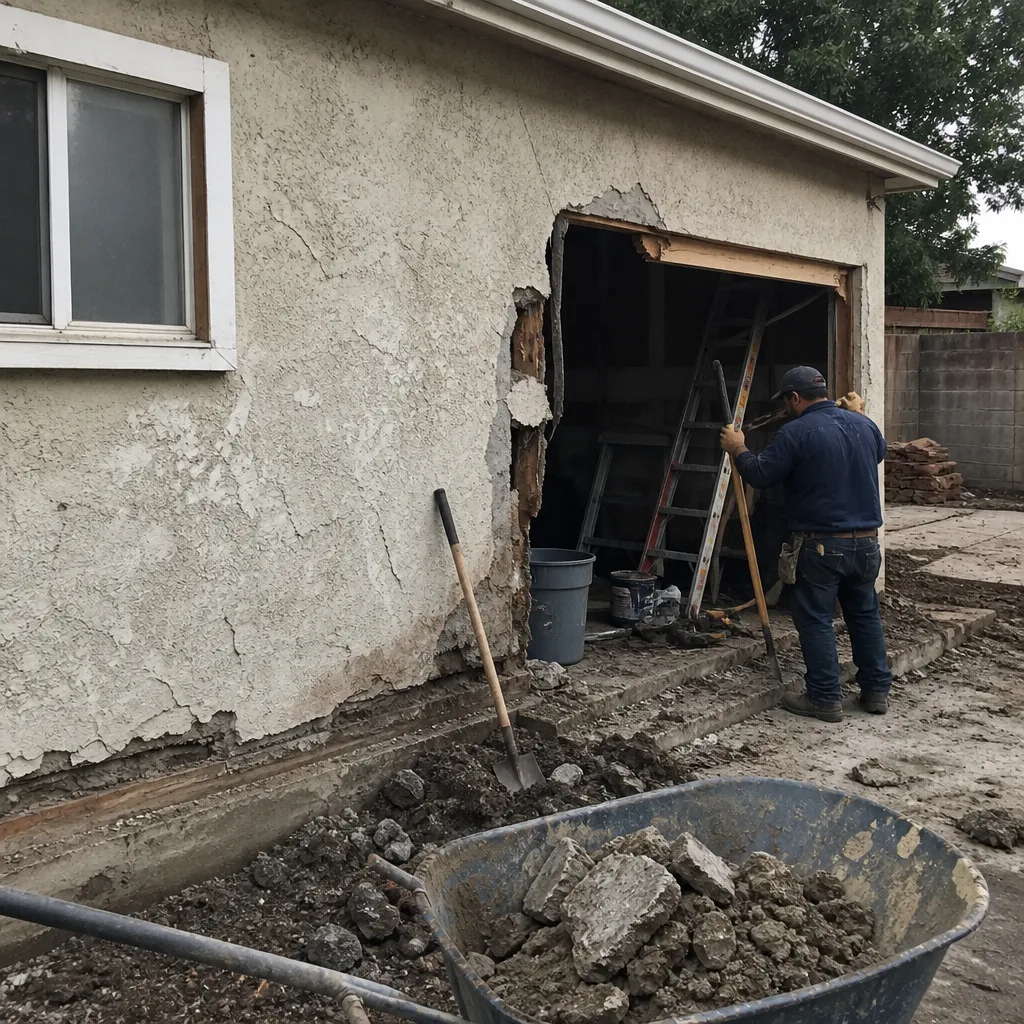 Before
 After
After Before
 After
After Before
 After
AfterJames Hardie Roofing: The San Jose Owner’s Guide
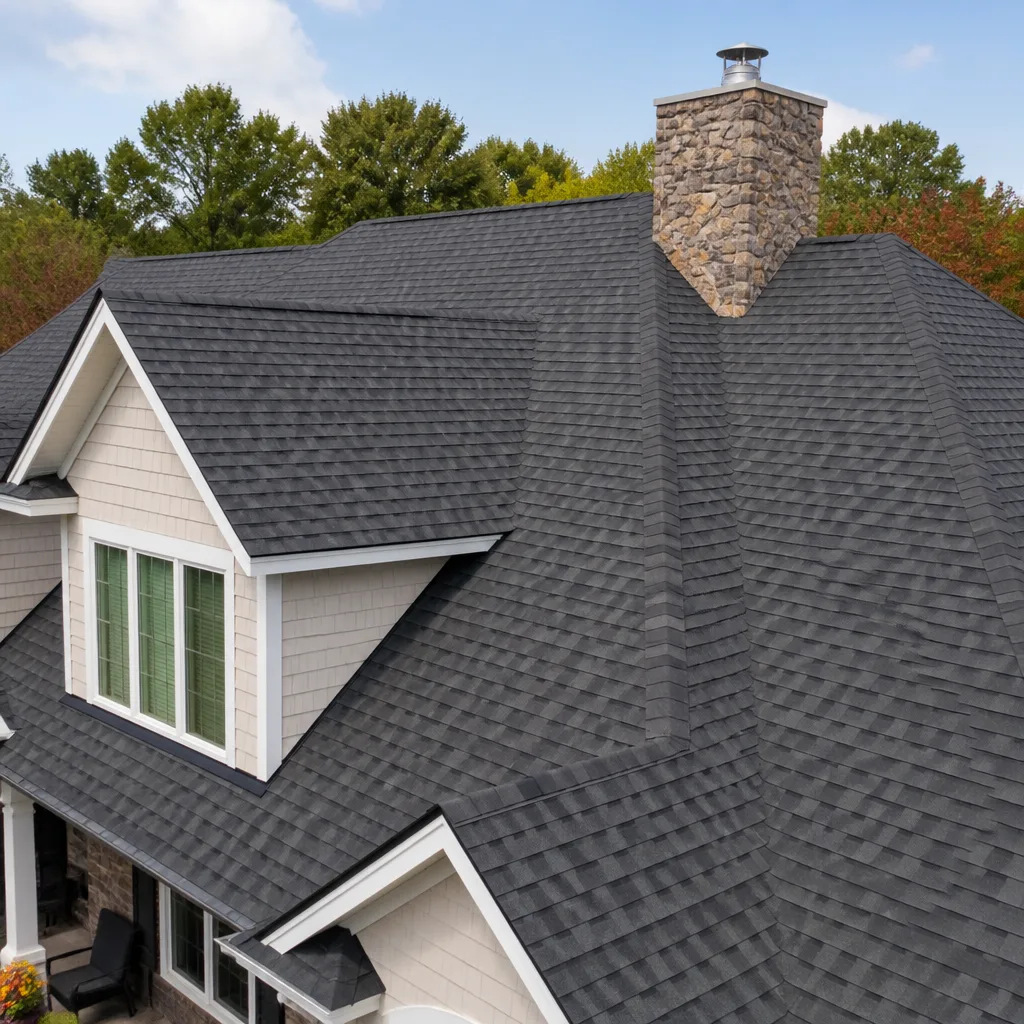
James Hardie fiber-cement roofing in San Jose typically runs $177-$295 per square installed for replacement sections, with most repair calls in the $470-$2,125 range we quote in writing before work starts. We stock James Hardie-compatible trim, flashing, and fastening systems on our San Jose trucks, and we can usually source matching HZ5 or HZ10 siding and roofing panels within 24 hours for color-consistent repairs. Most homeowners discover a problem when they spot cracked panels near valley flashings after our rare hard freezes, or when wind-driven rain finds its way past deteriorated butt joints in the Almaden or Evergreen hills.
Which James Hardie Models This Applies To
James Hardie’s roofing and siding systems share a common fastening and flashing vocabulary, so the parts we stock cover the HardieShingle, HardiePanel, and HardiePlank lines that were spec’d on San Jose builds from the mid-2000s forward. The critical identifier is the HZ designation stamped on the back of any existing panel: HZ10 for our coastal-influenced Santa Clara County climate zone, HZ5 if the home was originally supplied from a Northern California distributor that crossed stock. Mixing the two creates a thermal-expansion mismatch that shows up as hairline cracks within two seasons.
To identify your part, look for the ¼-inch stamped code near the nail line, or measure panel thickness: 5/16-inch for standard roofing, 7/16-inch for the thicker HardiePanel vertical siding sometimes used on gable ends. We carry ColorPlus touch-up kits for the fifty most common San Jose colorways, including Monterey Taupe and Iron Gray, plus bare primed stock when the original color has been discontinued. OEM James Hardie fasteners are 0.120-inch ring-shank hot-dipped galvanized nails with a ⅜-inch head; substituting standard roofing nails voids the material warranty and is the single most common error we find in DIY repairs around Willow Glen.
Signs Your James Hardie Roofing Is Failing
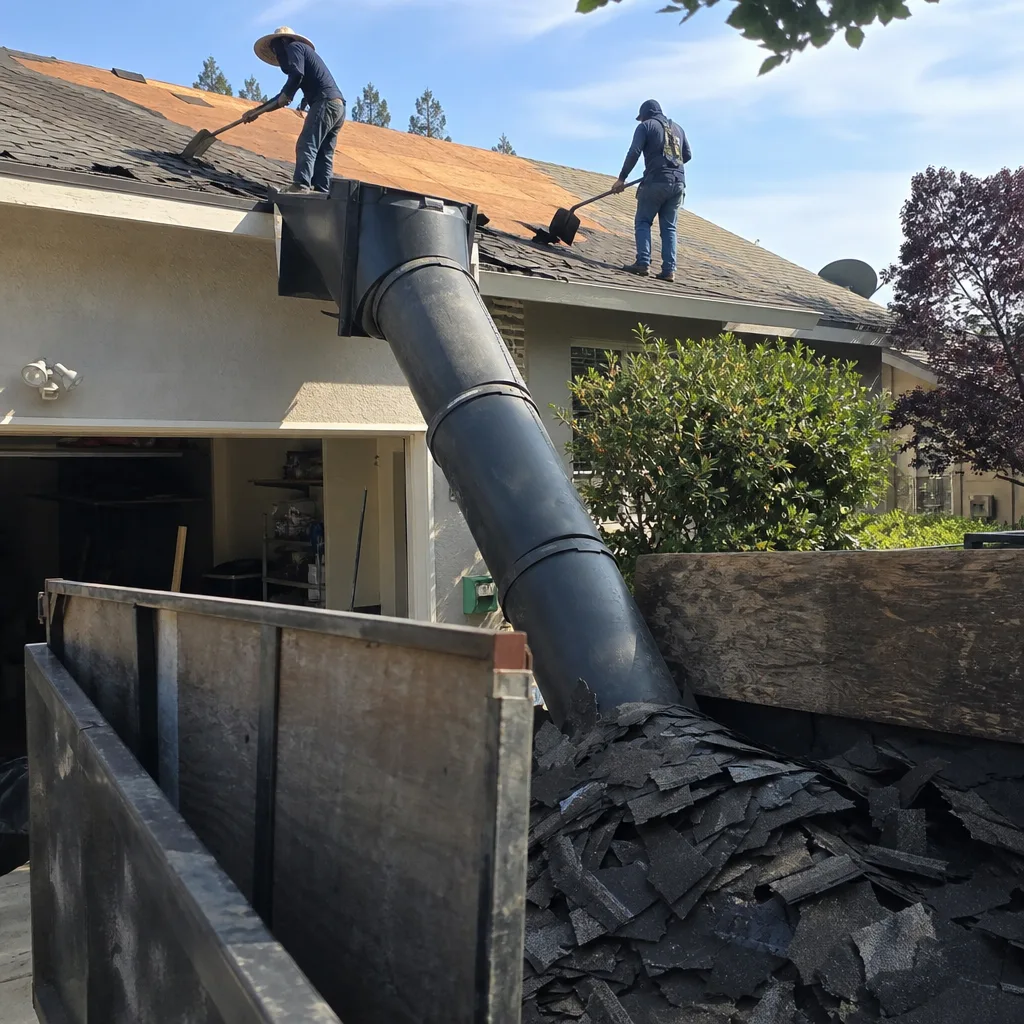
- Cracked or chipped panels at valleys and ridges. Fiber cement expands and contracts with temperature swings; San Jose’s 40-degree January nights followed by 80-degree March afternoons stress the panels at fastening points. The crack pattern is usually diagonal from the nail, not random, which tells us it’s a fastening or clearance issue rather than impact damage.
- Water staining on soffits or interior ceilings after wind-driven rain. Hardie’s joints rely on proper flashing and a ⅛-inch gap at butt joints with caulk backer rod. When the caulk ages out or the gap was never cut correctly, water enters behind the panel and travels until it finds a seam.
- Panels that sound hollow when tapped or show nail pops. Fiber cement is brittle; over-driven fasteners or nails placed closer than ¾ inch to the panel edge cause micro-fractures that loosen the panel over time. We see this frequently on homes where the original crew used pneumatic nailers set too deep.
- Discoloration or efflorescence on the panel face. White powdery residue means moisture is migrating through the panel from behind, usually due to missing or reversed flashing at a roof-to-wall intersection. This is structural, not cosmetic, and it accelerates in San Jose’s marine layer mornings.
- Soft or delaminated panels near the drip edge. Hardie panels are not meant to sit in standing water. Clogged gutters or improperly sloped eaves let water wick up from the bottom edge, destroying the panel from below while the face still looks intact.
 Before
 After
AfterReplacement Cost & What’s Included
| Service | San Jose Price Range | What’s Included |
|---|---|---|
| James Hardie roof repair (sectional) | $470-$2,125 | Demo, matching panel sourcing, new fasteners, flashing, caulk, disposal |
| Full James Hardie roof replacement | $9,440-$23,600 | Tear-off, substrate inspection, new underlayment, panels, trim, permits, final inspection |
| ColorPlus panel touch-up kit (per repair) | $85-$140 | Factory-matched paint, primer, application guide |
The spread in repair pricing comes down to three factors: how high the work is (single-story ranch in Cambrian Park versus three-story hillside in Silver Creek), whether we can source the original color or need to repaint a larger section for match, and what we find when we open the wall or roof cavity. Under Clause 1 of the Haven Standard, you get the full written price before anyone touches a tool. If we find rot in the substrate or missing house wrap, we document it with photos, write the change order, and you sign before we proceed. That discipline is why our projects finish within a few percent of the agreed number.
Every James Hardie repair we perform carries our 365-Day Done Right Promise: if the panel cracks, the caulk fails, or the color match drifts, we return and make it right. The warranty is printed on your invoice, not implied.
DIY or Call Us?
There is one thing a San Jose homeowner can safely check without tools: walk the perimeter after a rain and look for water marks on the soffit or staining at the panel bottoms. Note the location. That’s useful information, and it costs nothing.
Everything else on a James Hardie roof involves working at height with brittle material that cracks if you step wrong, fasten wrong, or breathe wrong. Fiber cement panels weigh 2.3 pounds per square foot; a 4-by-8 sheet is unwieldy on a ladder and catastrophic if it slips. The dust from cutting fiber cement contains respirable silica, which means N95 minimum, outdoor cutting only, and wet-saw or shears rather than a dry circular saw. We’ve replaced too many DIY repairs where the owner used the wrong nail, drove it too deep, or skipped the flashing step that the installation manual devotes three pages to.
Measure twice, permit once, then we talk timeline. For James Hardie roofing in San Jose, that timeline starts with a free written estimate: call (669) 271-8644.
FAQs
Properly installed James Hardie fiber-cement roofing lasts 30 to 50 years in our climate, though the ColorPlus finish warranty is 15 years and the caulking at joints typically needs attention at year 8 to 12. The killer in San Jose isn’t rain volume, it’s thermal cycling: 20,000-plus expansion-contraction cycles over a decade will find any fastening error. Call (669) 271-8644 for a free inspection if you’re past year ten.
Hairline surface cracks can be filled with James Hardie-approved caulk and touched up, but any crack that penetrates the full panel thickness or runs through a fastening point requires replacement. The panel’s structural integrity is compromised, and water will find the gap. We don’t quote patch jobs that we know will fail; under the Haven Standard, we’d rather tell you the truth and lose the work than do it twice.
A typical sectional repair, two to four panels on a single-story home, takes four to six hours including setup, demo, substrate inspection, and proper curing time for sealants. Full roof replacements run five to ten business days depending on square footage and whether we hit sheathing that needs replacement. We don’t quote same-day completion on planned construction; the work is done when it passes inspection, not when the clock runs out.
We stock fasteners, flashing, touch-up kits, and common trim profiles on our San Jose trucks. Panels themselves are ordered to color match; with two business days’ notice we can typically have HZ10 stock in Monterey Taupe, Iron Gray, Arctic White, or Cobble Stone ready at our receiving yard. For discontinued colors, we source the closest current match and quote repainting the affected elevation so you don’t live with a patchwork roof.
Rowan Construction Group San Jose is an independent service provider and is not affiliated with James Hardie. We also stock parts and materials for KraftMaid, Cambria, and Silestone.
Written by Grant Rowan, Owner, Rowan Construction Group San Jose at Rowan Construction Group San Jose, serving San Jose and nearby areas.