
Last updated September 24, 2026
Free written scope consultation - allowances, timeline, and change-order rules on paper before a single trade is scheduled



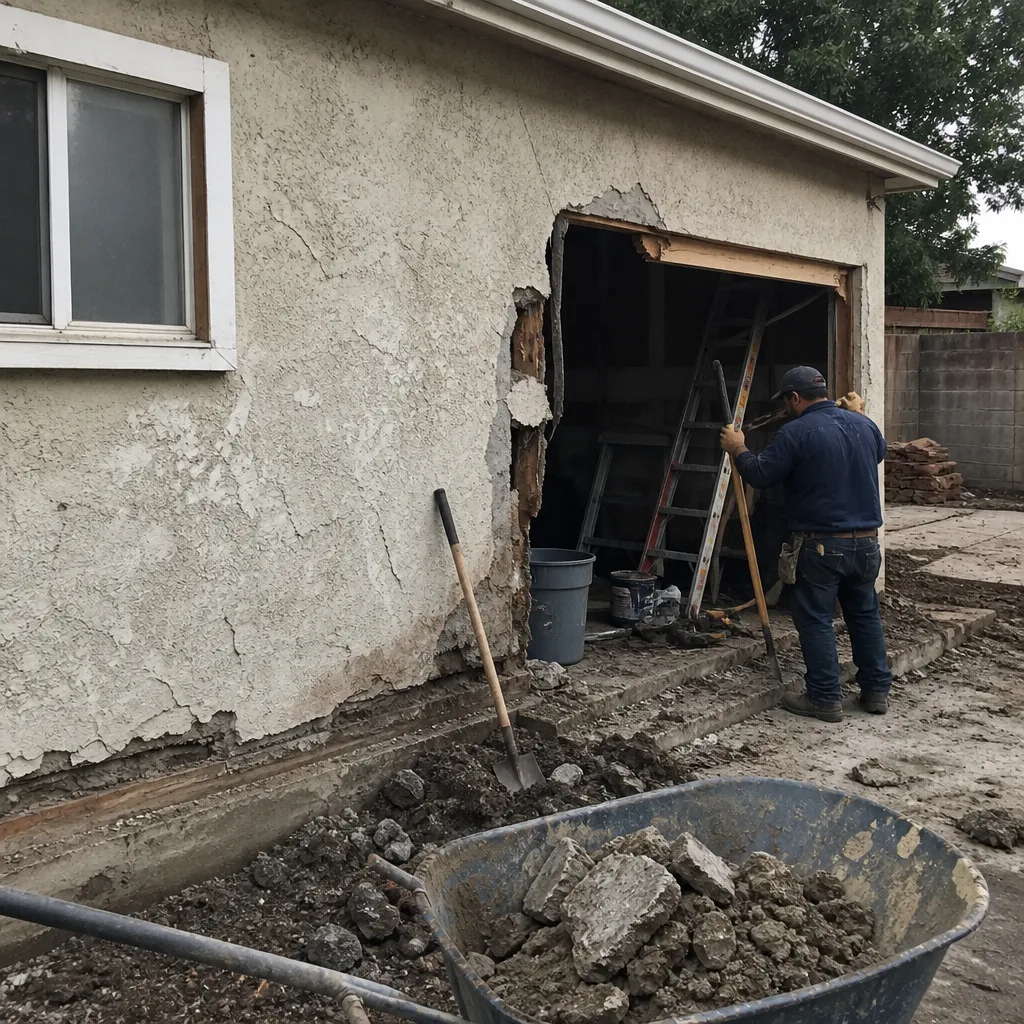 Before
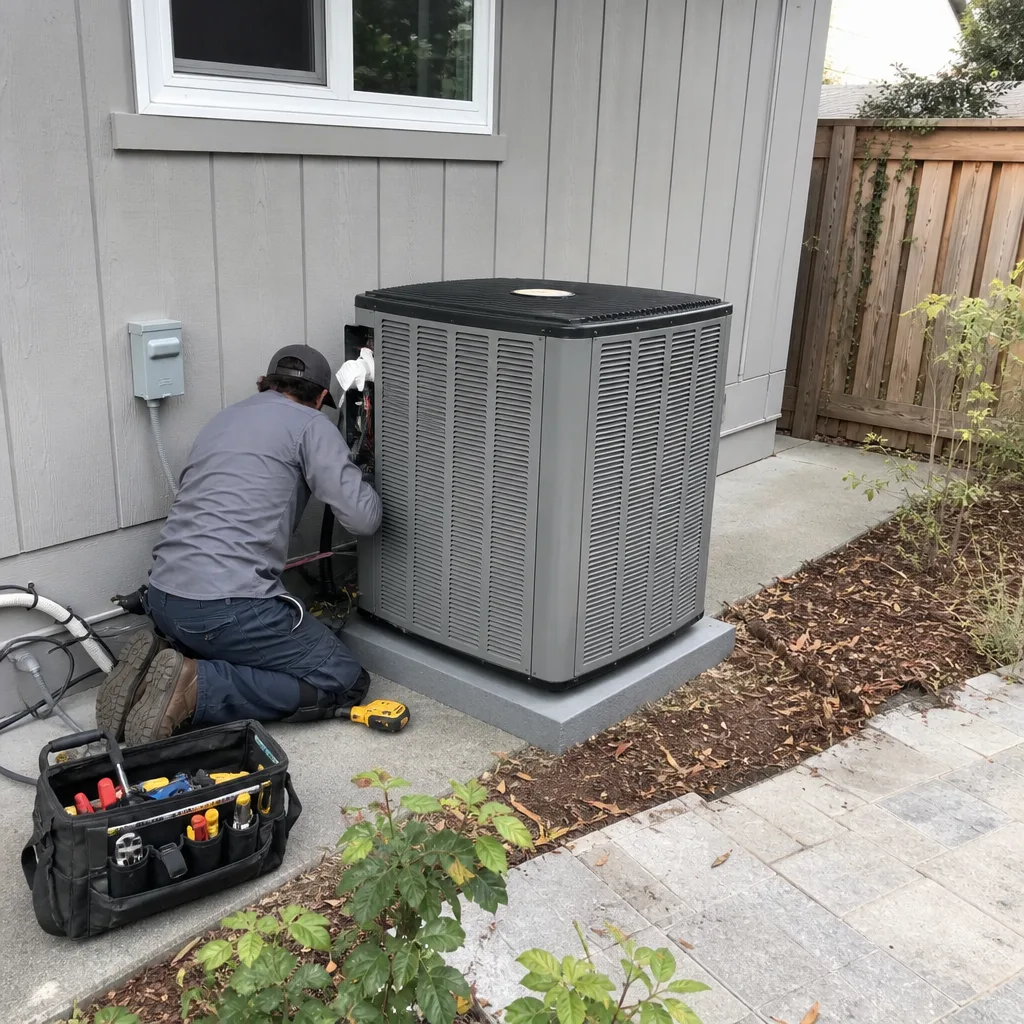 After
After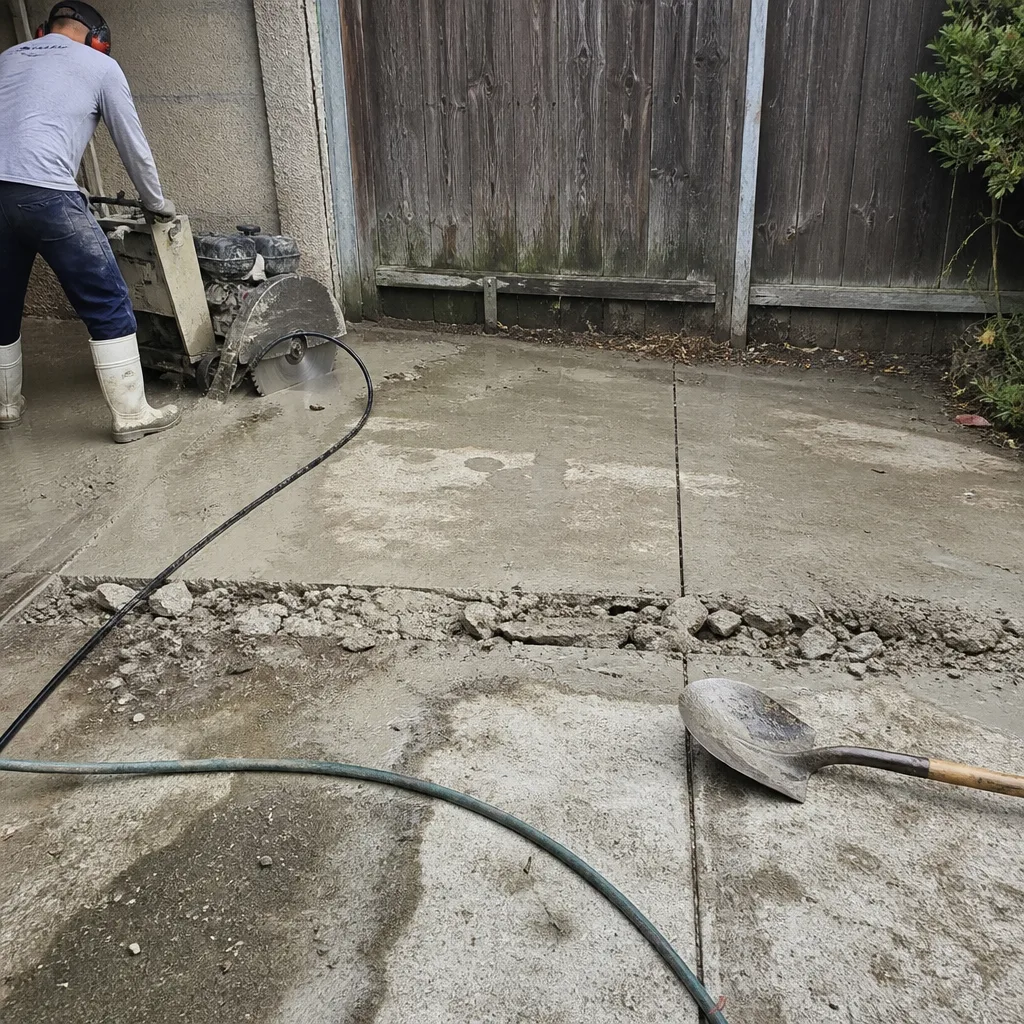 Before
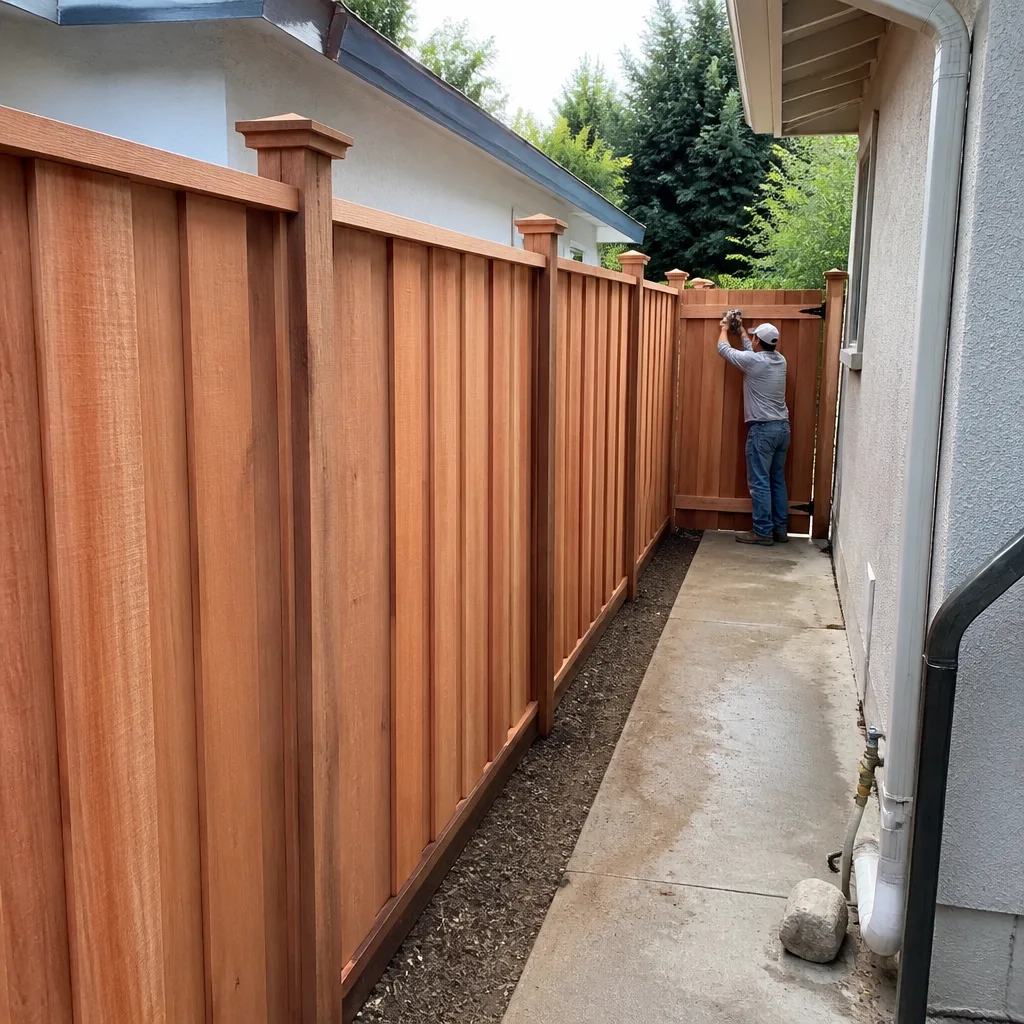 After
After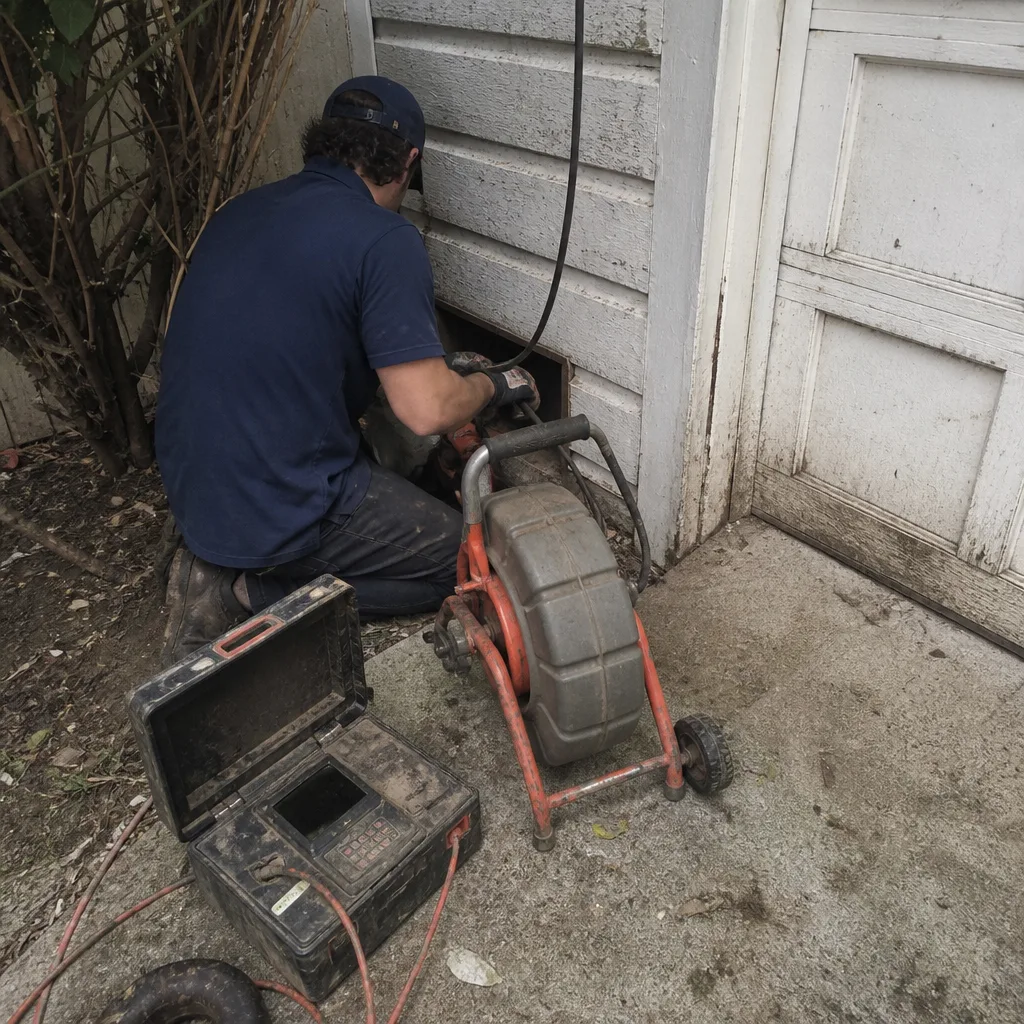 Before
 After
AfterConstruction Warning Signs: A San Jose Homeowner’s Reference Guide
A horizontal crack in a concrete foundation wall is a structural emergency. A vertical crack in the same wall is often normal curing shrinkage. Most homeowner guides & resources describe both as “foundation cracks to watch,” a distinction that could be worth $40,000 in San Jose’s current market. We’ve delivered over 4,000 projects since 2007, and the most expensive mistake we see homeowners make isn’t ignoring a warning sign - it’s misreading what that sign means and either overreacting to a $200 fix or underreacting to a $20,000 one. This guide pairs each visible symptom with its probable cause, a diagnostic test you can perform, and a realistic repair cost range based on San Jose’s 2025 labor and material rates.
Quick Answer
Construction warning signs fall into five categories: foundation and structural cracks, water intrusion stains, binding doors and windows, electrical and plumbing anomalies, and contractor red flags during active work. The critical skill is distinguishing symptoms that indicate cosmetic issues (typically $200-$800) from those signaling structural, electrical, or plumbing failures ($3,000-$40,000+). In San Jose’s climate and soil conditions, foundation settlement and roof-to-wall flashing failures are the two most commonly misread warning signs.
Table of Contents
- Crack Classification: Hairline vs. Structural by Material
- Water Intrusion Source Mapping
- Door and Window Binding: Causes Ranked by Repair Cost
- Electrical and Plumbing Warning Signs Visible Without Tools
- Contractor Warning Signs During an Active Project
- Common Mistakes to Avoid
- When to Call a Professional
- Frequently Asked Questions
 Before
 After
AfterCrack Classification: Hairline vs. Structural by Material
Not every crack demands a structural engineer. The key measurements are width, orientation, and pattern - and the thresholds differ by material.
Concrete Foundation Walls
San Jose’s expansive clay soils, particularly in Almaden Valley and the foothills near Silver Creek, create seasonal movement that stresses foundation walls. Here’s how to read what you see:
- Hairline vertical cracks (under 1/16 inch): Normal curing shrinkage in concrete poured after 1960. Monitor with a pencil mark and ruler; if width is stable for two rainy seasons, seal with polyurethane caulk ($150-$300) and monitor annually.
- Vertical cracks 1/8 inch to 1/4 inch: Settlement. Check with a 4-foot level - if the wall leans more than 1 inch in 4 feet, or if the crack is wider at top than bottom, call a structural engineer ($500-$800) before any repair. Epoxy injection runs $400-$1,200; pier installation for ongoing settlement starts at $3,000 per pier.
- Horizontal cracks any width: Lateral pressure from soil or water. This is structural. In San Jose’s hillside construction, we’ve seen these triggered by irrigation leaks on upslope properties in neighborhoods like Evergreen and Berryessa. Repair ranges from $4,000 (wall stabilization with carbon fiber straps) to $25,000+ (full wall rebuild with drainage correction).
- Stair-step cracks in block walls: Differential settlement. Measure the vertical offset across the crack with a straightedge. Over 1/2 inch indicates active movement; under 1/4 inch may be historical. Rowan Construction Group San Jose home crews document these with photo records before quoting underpinning or drainage work.
Stucco and Drywall
Stucco cracks in San Jose’s Mediterranean climate follow a different logic than foundation cracks. Thermal cycling - 50°F morning lows to 90°F afternoon highs in summer - creates predictable patterns:
- Hairline spiderwebbing at corners: Normal. Paint-grade elastomeric coating, $800-$1,500 for a typical San Jose ranch.
- Horizontal cracks at sill level: Often indicate sill plate rot from irrigation spray or grade too high. Probe with a screwdriver; soft wood means $2,000-$6,000 for sill replacement and drainage correction.
- Diagonal cracks from window corners: Settlement or seismic racking. In our experience across Willow Glen and Rose Garden, these correlate with unretrofitted cripple walls. Check the crawl space for shear panel absence.
Drywall cracks follow framing, not structure. Straight cracks at tape joints mean tape failure ($200-$400 to repair). Cracks that wander across panels, especially with nail pops, indicate framing movement worth investigating.
Brick and Masonry Veneer
Brick veneer cracks wider than 1/4 inch, or with displaced units, indicate corroded shelf angles or lintel failure. San Jose’s coastal influence accelerates steel corrosion in pre-1980 construction. Repair requires partial veneer removal and steel replacement - $3,500-$8,000 for a typical window opening.
Water Intrusion Source Mapping
A ceiling stain is almost never directly below the leak. Water follows framing members, insulation gaps, and vapor barriers, often traveling 6 to 15 feet horizontally before finding an exit point. Here’s how to trace it.
The Three-Step Diagnostic
- Measure from the stain to exterior walls on all sides. In San Jose’s 1970-1995 tract homes - the dominant housing stock in Cambrian Park, Blossom Valley, and Alum Rock - roof geometry is simple enough that the entry point is usually on the same roof plane as the stain, but rarely directly above it.
- Inspect the attic during or immediately after rain. Look for wet insulation, which will be compressed and darker than surrounding material. Follow the wet path uphill; water runs down. Bring a bright flashlight and photograph everything - this is the documentation that separates a $400 flashing repair from a $6,000 reroof sales pitch.
- Check the three failure points specific to this era and region:
- Chimney cricket absence or failure: Homes built before 1985 often lack crickets (saddles) behind chimneys wider than 30 inches. Water pools and penetrates step flashing. Cricket installation plus new flashing: $1,200-$2,500.
- Plumbing vent boot deterioration: The rubber gasket around vent pipes cracks in 12-15 years in San Jose’s UV exposure. A $12 part, but the repair requires shingle disturbance - $250-$400 when done properly with matching shingles.
- Valley flashing reverse lap: In the 1980s and 1990s, some San Jose roofing crews installed valley flashing with the upper piece lapped incorrectly, funneling water under the lower course. This requires valley replacement, typically $1,500-$3,000 for a standard valley on a GAF or CertainTeed shingle roof.
We specify GAF Timberline HDZ or CertainTeed Landmark PRO on Roofing in San Jose replacements because both carry 50-year material warranties and have proven sealant adhesion in our climate. The brand matters less than the installation detail, but the warranty documentation matters for resale.
Wall and Foundation Water Entry
Staining at baseboards or efflorescence (white powder) on concrete walls indicates hydrostatic pressure. In San Jose’s flatland neighborhoods - North San Jose, parts of Downtown - high water tables after heavy winters can push water through slab edges. The fix is rarely interior sealant; it’s exterior drainage, typically $3,000-$8,000 for a full perimeter system with discharge to daylight or sump.
Door and Window Binding: Causes Ranked by Repair Cost
A door that won’t close is not automatically a foundation problem. The diagnostic sequence matters because the cost spread runs from $50 to $25,000.
| Symptom Pattern | Probable Cause | Diagnostic Test | San Jose Cost Range (2025) |
|---|---|---|---|
| Single door, seasonal, summer only | Humidity-swollen jamb or paint buildup | Check clearance with feeler gauge; compare winter vs. summer | $50-$150 (plane and repaint) to $150-$400 (jamb replacement with pre-hung unit) |
| Multiple doors, same wall, gradual onset | Foundation settlement or heave | 4-foot level on floor; laser level on header if available | $3,000-$12,000 (pier or underpinning) to $15,000-$25,000 (foundation rebuild with drainage) |
| Multiple doors, diagonal gaps, after earthquake | Framing racking from seismic activity | Measure corner-to-corner diagonals; difference over 1/2 inch indicates racking | $8,000-$30,000+ (shear wall retrofit, foundation bolt upgrade, structural repair) |
| All windows on one elevation, new construction | Improper shimming or frame squareness | Remove trim, check shim placement and gap consistency | $200-$800 per window (reinstall) to full replacement if frame damaged |
The seasonal pattern is the most commonly misread. San Jose’s winter humidity spike - from 40% summer lows to 80% winter highs - swells solid wood jambs in older homes, particularly in Naglee Park, Hanchett Park, and other pre-1960 neighborhoods with original Douglas fir doors. We’ve had homeowners in Willow Glen call for foundation estimates when a $75 plane-and-paint would have solved it.
For binding that persists year-round and affects multiple openings, check the floor with a 4-foot level. A slope exceeding 1 inch in 10 feet suggests foundation movement. In our experience, San Jose homes on the Bay Mud soils near Alviso and parts of North San Jose show this pattern earlier than hillside construction on bedrock.
Post-seismic racking is specific to our region. After the 1989 Loma Prieta earthquake, many homes in the Alameda, The Alameda corridor, and older San Jose neighborhoods developed diagonal door gaps that went unaddressed for years. The 2019 Ridgecrest quakes reactivated some of these. If your home has never had a cripple wall retrofit and doors show diagonal binding, budget $15,000-$25,000 for a proper shear wall and foundation bolt upgrade - not a cosmetic fix.
Electrical and Plumbing Warning Signs Visible Without Tools
Some hazards announce themselves before you open a panel or shut a valve. Here’s what to observe safely.
Electrical: GFCI Behavior as Diagnostic
A GFCI (ground-fault circuit interrupter) that trips repeatedly is not necessarily defective. The pattern of tripping indicates the fault type:
- Trips immediately upon reset, with nothing plugged in: Wiring fault - likely neutral-ground contact, damaged insulation, or moisture in a junction box. This requires a licensed electrician. In San Jose, troubleshooting runs $150-$300; repair of damaged wiring in accessible locations, $300-$800.
- Trips when specific appliance is used: Appliance fault. Test with a different load on the same circuit.
- Trips randomly, especially mornings or after rain: Moisture intrusion in exterior outlets or underground feeder. Common in San Jose homes with original 1970s exterior outlets lacking in-use covers. Replacement with weather-resistant GFCI and proper cover: $200-$400 per location.
- Will not reset, no power to outlet: May be upstream GFCI protecting this outlet. Check all GFCIs in the circuit path, including garage, exterior, and bathroom locations, before calling for service.
Aluminum wiring, present in San Jose homes built 1965-1973 (common in the original subdivisions of West San Jose and along Meridian Avenue), presents additional warning signs: warm outlet covers, flickering lights under load, or buzzing at switches. These are fire hazards. Pigtail retrofit with COPALUM connectors runs $150-$300 per outlet; full rewiring, $8,000-$15,000 for a 1,500-square-foot home.
Plumbing: Pressure Drop Patterns
Water pressure complaints are the most misdiagnosed plumbing calls we see. The pattern distinguishes supply-side from fixture-side problems:
- All fixtures, hot and cold, gradual decline: Supply-side restriction. Check the pressure regulator (usually near the meter, set to 50-60 PSI for San Jose’s municipal supply). Regulator replacement: $300-$500. If pressure is adequate at an exterior hose bibb but low in the house, the restriction is in the main line - possible galvanized pipe corrosion in pre-1970 homes, requiring partial or full repipe ($4,000-$12,000).
- Hot only, gradual decline: Water heater dip tube failure or tank sediment. Flush the tank; if pressure doesn’t improve, dip tube replacement ($200-$400) or heater replacement ($1,200-$2,500 for a standard 50-gallon unit).
- Single fixture, sudden onset: Fixture-side obstruction - aerator, cartridge, or supply valve. Clean or replace; $50-$200.
- All fixtures, sudden onset after meter work: Debris from municipal work. Flush through an exterior hose bibb; if not resolved in 48 hours, call San Jose Water Company before paying for private plumbing.
San Jose’s water hardness - 140-180 PPM in most service areas - accelerates scale buildup in tankless water heaters and aerators. Annual descaling with food-grade vinegar is preventive maintenance, not a warning sign, but skipping it creates pressure drops that mimic supply problems.
Contractor Warning Signs During an Active Project
The warning signs that cost homeowners the most money are often behavioral, not structural. Here’s what to verify and document.
The Permit Card: Legal Requirements and Red Flags
A valid permit card posted at the job site must contain: the permit number, project address, scope of work description, issue date, expiration date, and the name and license number of the responsible contractor. In San Jose, the card must be visible from the street or at the main entry.
If the permit lists the homeowner as the “owner-builder” but a contractor is doing the work, this is a red flag. The subcontractor may be unlicensed, or the general contractor may be avoiding workers’ compensation and liability exposure by shifting it to you. We’ve reviewed competitor quotes where this arrangement was proposed; for guidance on protecting yourself, see our step-by-step guide to hiring a construction contractor in San Jose. Under Clause 1 of the Haven Standard, Rowan pulls all permits in our name and carries the corresponding insurance.
If a subcontractor asks you to pull the permit, refuse. This is a standard indicator of an unlicensed operator or a contractor operating beyond their license classification. The permit holder is legally responsible for code compliance; you do not want that liability for work you did not perform.
Reading a Concrete Pour Ticket
On foundation, driveway, or Kitchen Remodeling in San Jose projects with structural concrete, the ready-mix truck delivers a ticket specifying the mix design. Verify three items before the pour begins:
- Specified compressive strength: Residential foundations in San Jose require 2,500 PSI minimum per the California Building Code; we specify 3,000 PSI for all foundation work. The ticket must match the specification in your contract.
- Slump (workability): 4 inches for foundations, 5-6 inches for slabs with rebar. Higher slump indicates excess water, which reduces final strength.
- Admixtures: In San Jose’s warm-season pours (May through October), the ticket should note a retarder if ambient temperature exceeds 85°F, preventing flash set that weakens the surface.
A contractor who cannot explain the ticket or who discourages you from reviewing it is not exercising the documentation discipline that protects your investment. Our crews photograph every ticket and include it in the documented photo record delivered at project completion.
Payment Schedule Warning Signs
California law limits down payments to 10% of the contract price or $1,000, whichever is less. A contractor requesting more before work begins is violating state law. Progress payments tied to verifiable milestones - foundation complete, framing inspection passed, final inspection - are standard. We structure payments with a 10% holdback until final inspection and punch list completion, which aligns our incentive with your satisfaction.
Common Mistakes to Avoid
- Measuring crack width with a credit card instead of a ruler. A credit card edge is approximately 1/32 inch - too coarse to distinguish hairline from structural thresholds. Use a ruler or feeler gauge; photograph with the measurement visible for documentation.
- Assuming a ceiling stain is the roofer’s problem. In San Jose’s 1970s-1980s tract homes with original galvanized plumbing, we’ve diagnosed ceiling stains from pinhole pipe leaks more often than roof leaks. The stain location and color differ: roof leaks are typically brown, irregular, and follow framing; plumbing leaks are more circular, with sharper edges, and may show fresh water droplets.
- Ignoring winter-only door binding. Calling a foundation contractor for a seasonal humidity issue wastes the inspection fee. Track the pattern for one full year before committing to structural investigation.
- Accepting “verbal approval” for change orders. Under the Haven Standard, no work proceeds on a change until the change order is signed. We’ve seen San Jose homeowners absorb $8,000 in unwritten extras because they trusted a verbal “we’ll figure it out.” The signed change order protects both parties.
- Pulling a permit for a contractor. This transfers liability for code compliance and workers’ compensation to you. If the contractor cannot or will not pull the permit, find one who will.
- Replacing a water heater for pressure drop without testing. We’ve reviewed $2,500 heater replacements that addressed a $45 clogged aerator. Test at multiple fixtures and the hose bibb before authorizing major work.
- Sealing a foundation crack without determining if it’s active. Epoxy injection on a crack that is still moving fails within two years. Monitor for one full seasonal cycle, or hire a structural engineer to install crack monitors ($200-$400) that measure ongoing displacement.
When to Call a Professional
Call a structural engineer before any contractor if you observe: horizontal foundation cracks, stair-step cracks with vertical offset exceeding 1/2 inch, or doors with diagonal gaps after seismic activity. These conditions require engineering analysis before repair pricing is meaningful.
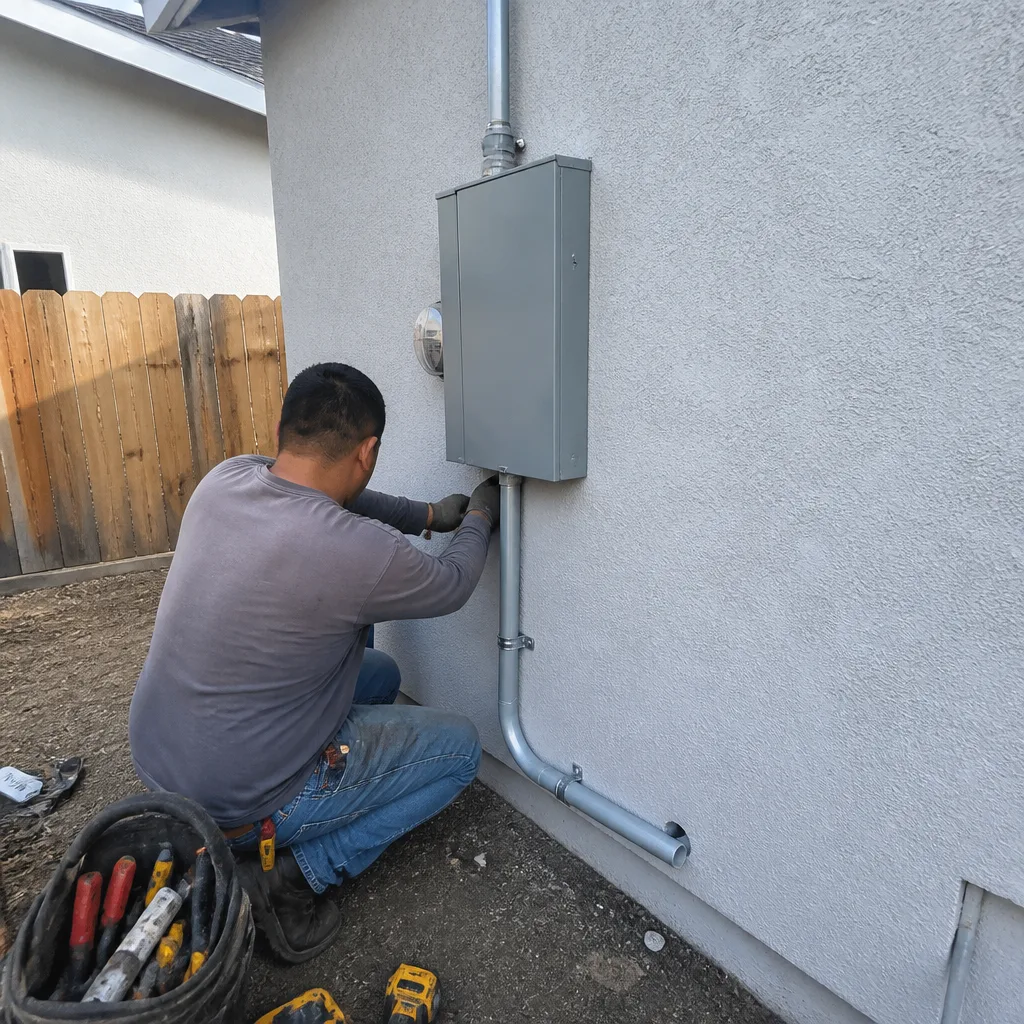
Call a licensed electrician for: aluminum wiring with warm outlets, GFCI patterns indicating wiring faults, or any electrical work in a panel. San Jose permits electrical panel upgrades and service changes; unpermitted work voids insurance and complicates resale.
Call a plumber for: pressure drops affecting all fixtures, water heater issues involving gas connections, or any work on the main sewer line. San Jose’s clay sewer laterals in pre-1980 neighborhoods are prone to root intrusion and seismic offset; video inspection ($250-$400) precedes any repair quote we provide.
For remodeling, additions, or ADU work where warning signs indicate underlying conditions, Bathroom Remodeling in San Jose and other services from Rowan Construction Group San Jose include structural assessment in our written quote process. We offer free estimates in San Jose - call (669) 271-8644 to schedule. Our 365-Day Done Right Promise applies to all work, and we provide a Free Second Opinion on any written estimate from a competitor.
Frequently Asked Questions
Epoxy injection for stable vertical cracks runs $400-$1,200; pier installation for active settlement starts at $3,000 per pier; and full wall rebuild with drainage correction ranges from $15,000 to $25,000. Horizontal cracks indicating lateral pressure require engineering assessment first, typically $500-$800. Call (669) 271-8644 for an exact quote - estimates are free.
Under Clause 1 of the Haven Standard, the written price is delivered before any work starts, and no change proceeds without a signed change order. Across 4,000-plus projects since 2007, our final invoices have stayed within a few percent of the agreed price because the administrative discipline prevents scope creep in both directions.
Yes. Rowan Construction Group pulls all permits in our name and license, carries the corresponding insurance and workers’ compensation, and schedules all inspections. The permit card is posted before work begins, and inspection sign-offs are documented in your project record.
Roof leaks typically produce brown, irregular stains that follow ceiling joists and worsen during rain; plumbing leaks produce more circular stains with sharper edges and may show active dripping. The definitive test is attic inspection during or immediately after rain - wet roof decking indicates roof entry; dry decking with wet pipes below indicates plumbing. Our diagnostic visits include photo documentation of both possibilities.
Morning-pattern tripping, especially in San Jose’s winter months, often indicates moisture accumulation in an exterior or garage outlet from overnight condensation. Check for missing or damaged weatherproof covers. If the pattern persists after cover replacement, the issue may be moisture in a junction box or underground feeder - both require licensed electrician evaluation.
Epoxy injection of stable cracks: one day. Pier installation for settlement: 2-4 days depending on access and pier count. Full wall rebuild with drainage: 2-3 weeks including cure time for concrete. All timelines assume dry weather; San Jose’s winter rain can delay excavation and concrete curing by several days.
Yes, particularly for estimates exceeding $5,000 or involving structural, electrical, or plumbing work. Rowan offers a Free Second Opinion on any written estimate - we review the scope, specifications, and pricing line by line at no charge. Bring the competitor’s written quote; verbal estimates cannot be compared meaningfully.
The Bottom Line
Construction warning signs are symptoms, not sentences. The same crack, stain, or binding door can indicate a $200 maintenance item or a $20,000 structural repair, and the difference lies in systematic observation: measure the crack, map the stain, test the pressure, read the documentation. San Jose’s specific conditions - expansive clay soils, 1970-1995 tract construction, Mediterranean thermal cycling, and seismic activity - create predictable patterns that experienced contractors recognize. The homeowner’s job is not to diagnose but to observe accurately, document thoroughly, and know which observations demand professional assessment before work begins. Written prices, signed change orders, and permit verification are the protections that separate a controlled project from an uncontrolled cost. For ongoing upkeep after major work, consult our Kitchen Remodeling Maintenance Checklist for San Jose Homeowners.
Written by Grant Rowan, Owner at Rowan Construction Group San Jose, serving San Jose since 2007.