
Free written scope consultation - allowances, timeline, and change-order rules on paper before a single trade is scheduled
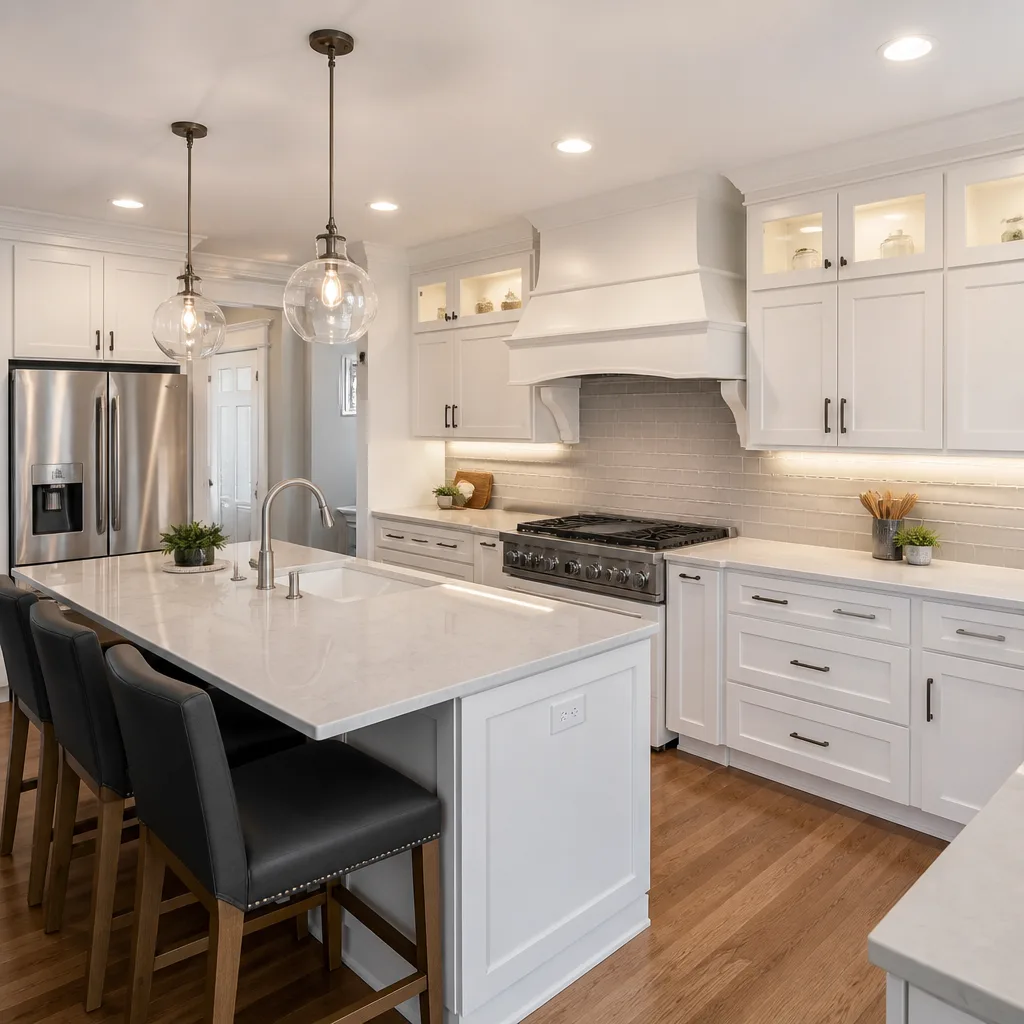
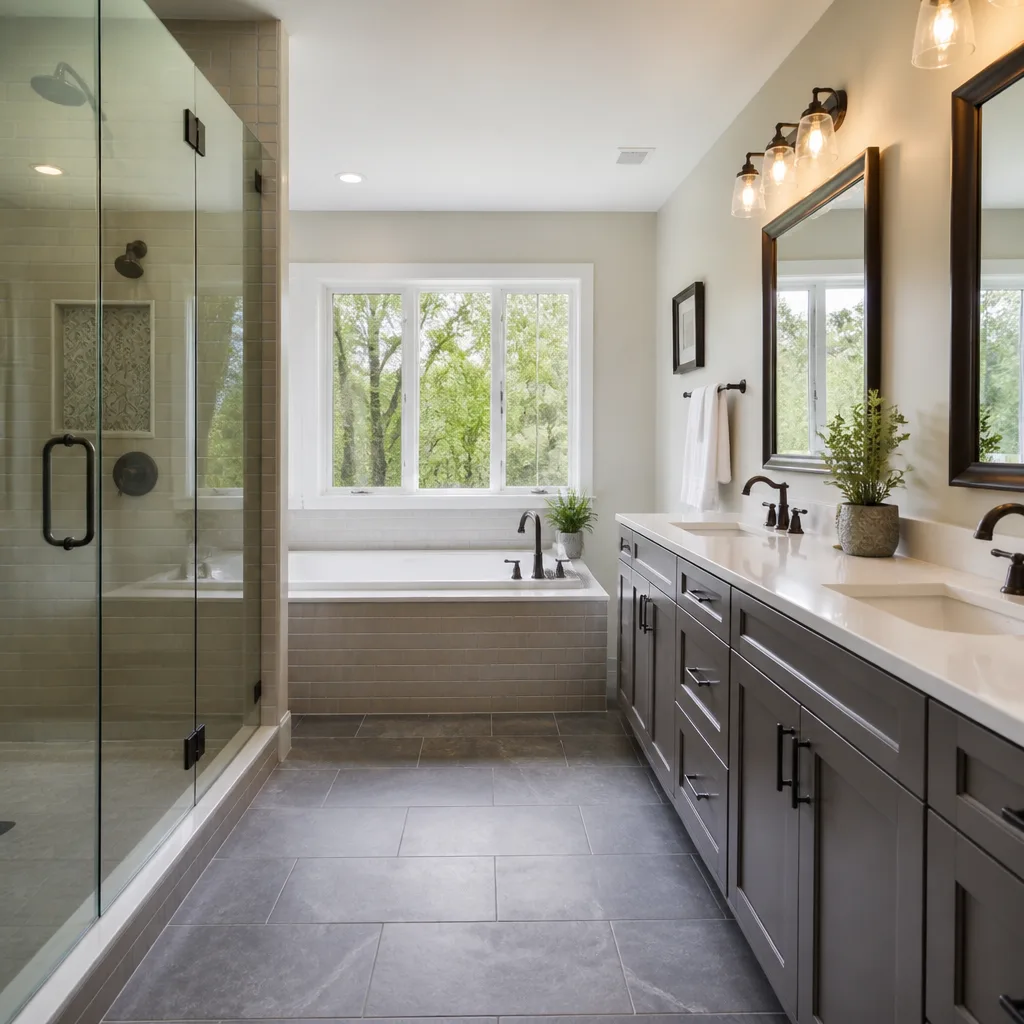
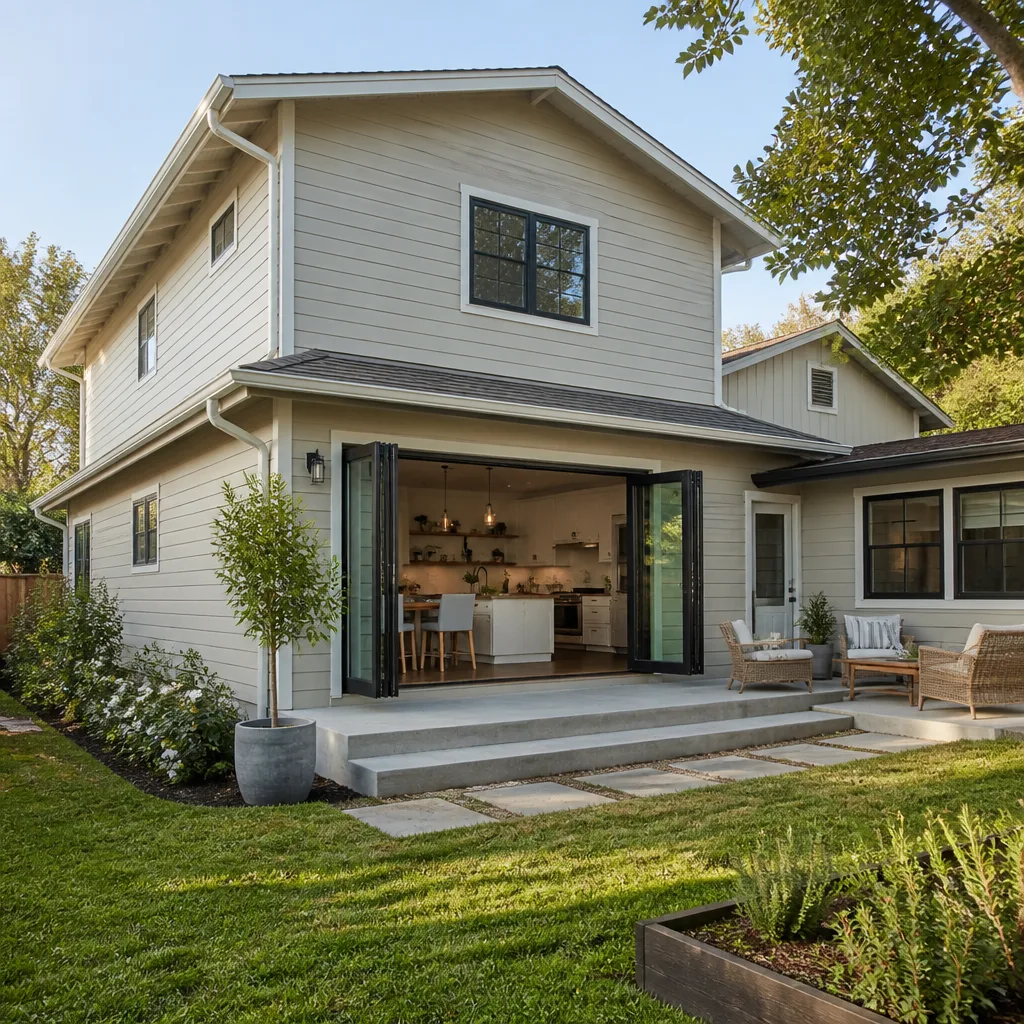
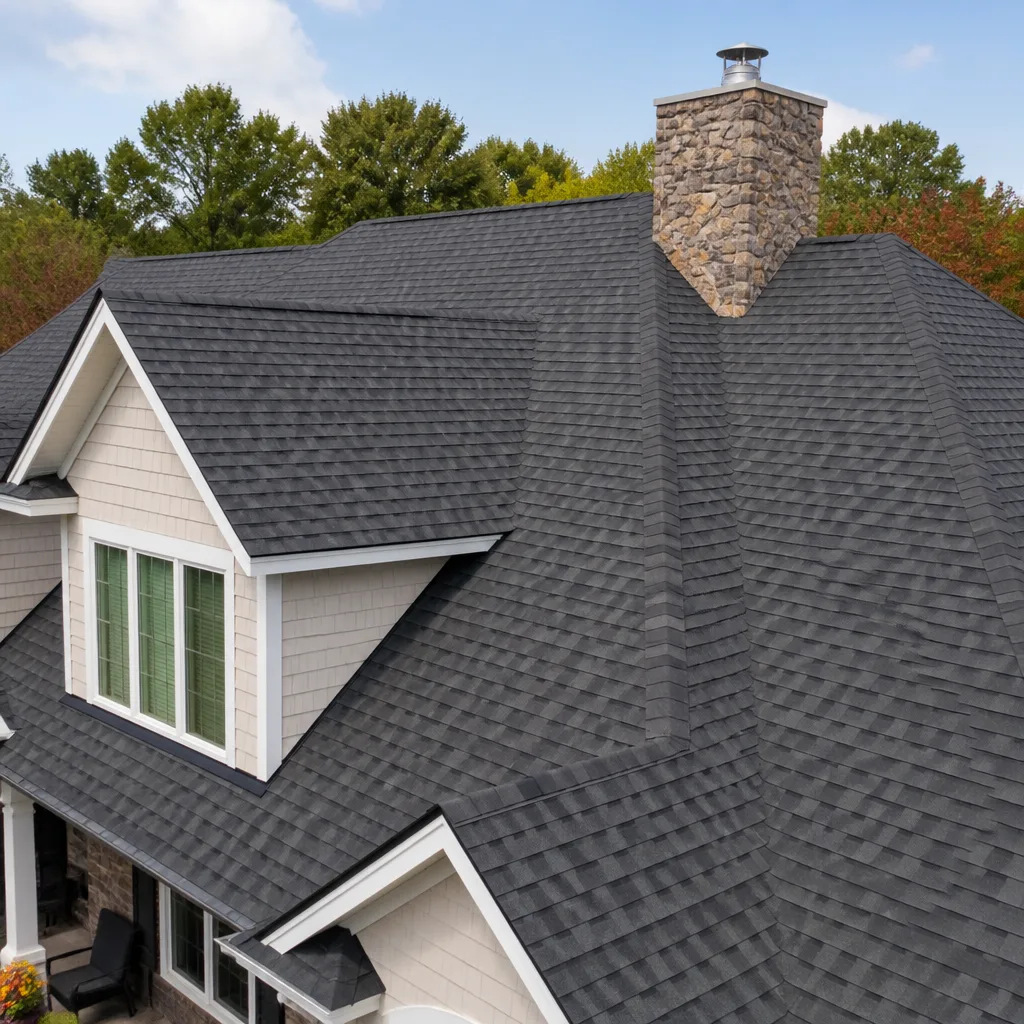
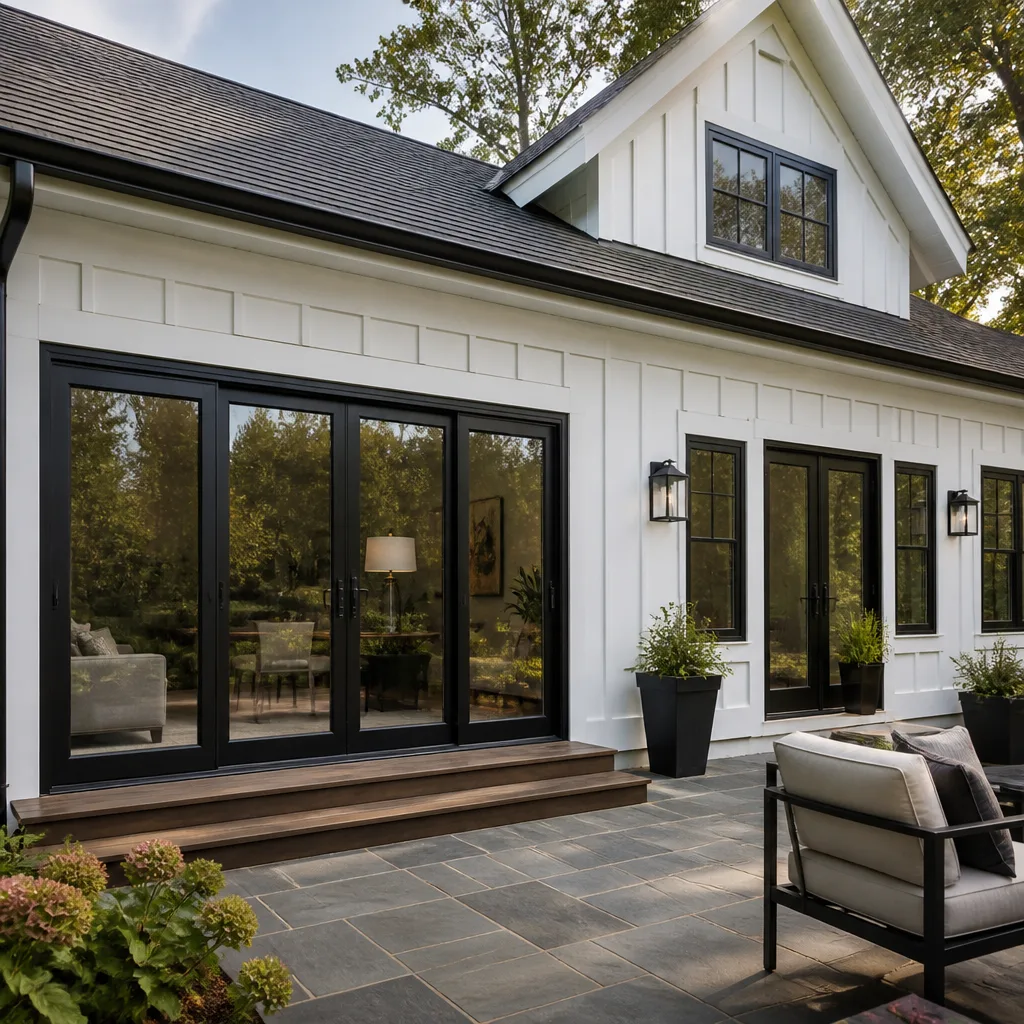
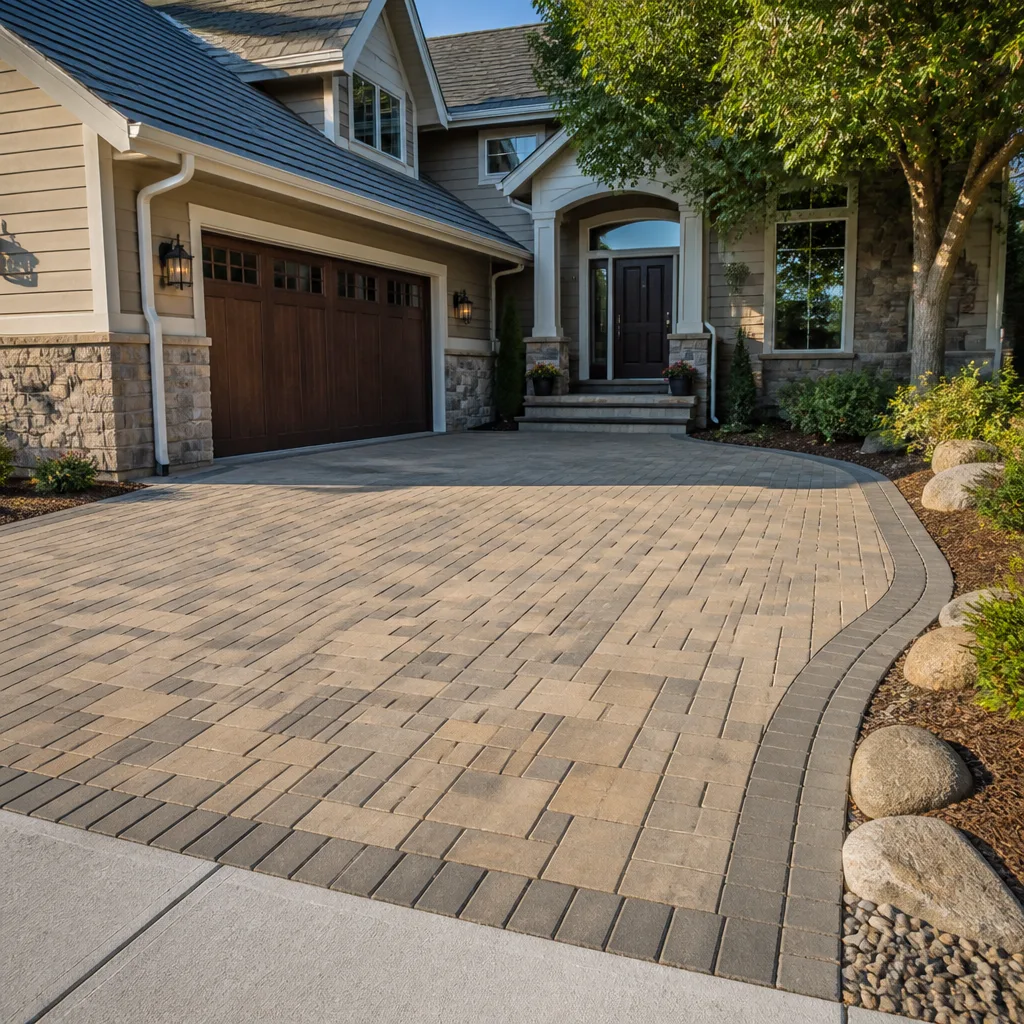
 Before
 After
After Before
 After
After Before
 After
AfterCGI Home Additions & ADU: The San Jose Owner’s Guide
We stock and install CGI-compatible components for home additions and ADU projects across San Jose, with typical installed pricing for CGI-integrated work running $53,100-$153,400 depending on scope and existing structure integration. Most San Jose owners discover their CGI system needs attention during a planned addition or conversion, when the existing window, door, or structural interface no longer meets current code or fails to integrate with new construction. In Willow Glen and the Almaden Valley, we regularly see CGI units from the 2008-2016 era that were never designed for the load or weather exposure an ADU conversion demands.
Which CGI Models This Applies To
CGI’s residential product lines fall into three eras that matter for San Jose additions and ADU work: the Estate Series (pre-2014, identifiable by the stamped aluminum frame code ending in -ES), the Sentinel Series (2014-2021, with the thermal break upgrade and the recessed fastener pattern), and the current Impact Series (2021-present, carrying the Miami-Dade NOA numbers on a yellow label inside the frame track). The compatibility gotcha is the frame depth: Estate Series uses a 2⅜-inch jamb depth, while Sentinel and Impact moved to 2¾ inches. An ADU conversion in San Jose that pairs a new Impact-rated unit with an existing Estate frame will gap at the sill, and no amount of caulk fixes a structural mismatch. We carry adapter kits for the Estate-to-Sentinel transition, though in most San Jose additions we recommend full-frame replacement to avoid the labor cost of a hybrid install that fails inspection. Aftermarket equivalents from CWS and WinDoor meet the same Miami-Dade spec and often carry shorter lead times, but we verify the NOA certificate against the city’s current approved-products list before quoting, because San Jose amended the wind-load requirement in 2022 and not all aftermarket inventory has caught up.
Signs Your CGI Home Additions & ADU Is Failing
- Frame separation at the sill or head. The thermal break adhesive degrades faster in San Jose’s south-facing exposure, where summer surface temperatures on dark frames reach 140°F; you’ll see a visible gap or feel air infiltration before you see water damage.
- Operator hardware binds or strips. CGI’s original zinc-alloy operators from the Estate era corrode in the salt air that reaches inland San Jose during winter storm events; the handle turns but the sash doesn’t lift, or the locking points misalign.
- Condensation between panes in a supposedly impact unit. The inner lite seal fails, and the argon fill escapes; in an ADU conversion, this means you’re insulating with a single pane where the code expects a U-factor of 0.30 or better.
- Impact fabric delamination visible at the edge. The interlayer separates from the glass, creating a milky perimeter; this is structural failure, not cosmetic, and the unit no longer meets the impact rating stamped on the label.
- Fastener corrosion or pull-through at the frame. San Jose’s older homes with cedar or redwood siding often used untreated fasteners that react with the wood tannin; the frame loosens, and the unit racked during the last earthquake sequence.
 Before
 After
AfterReplacement Cost & What’s Included
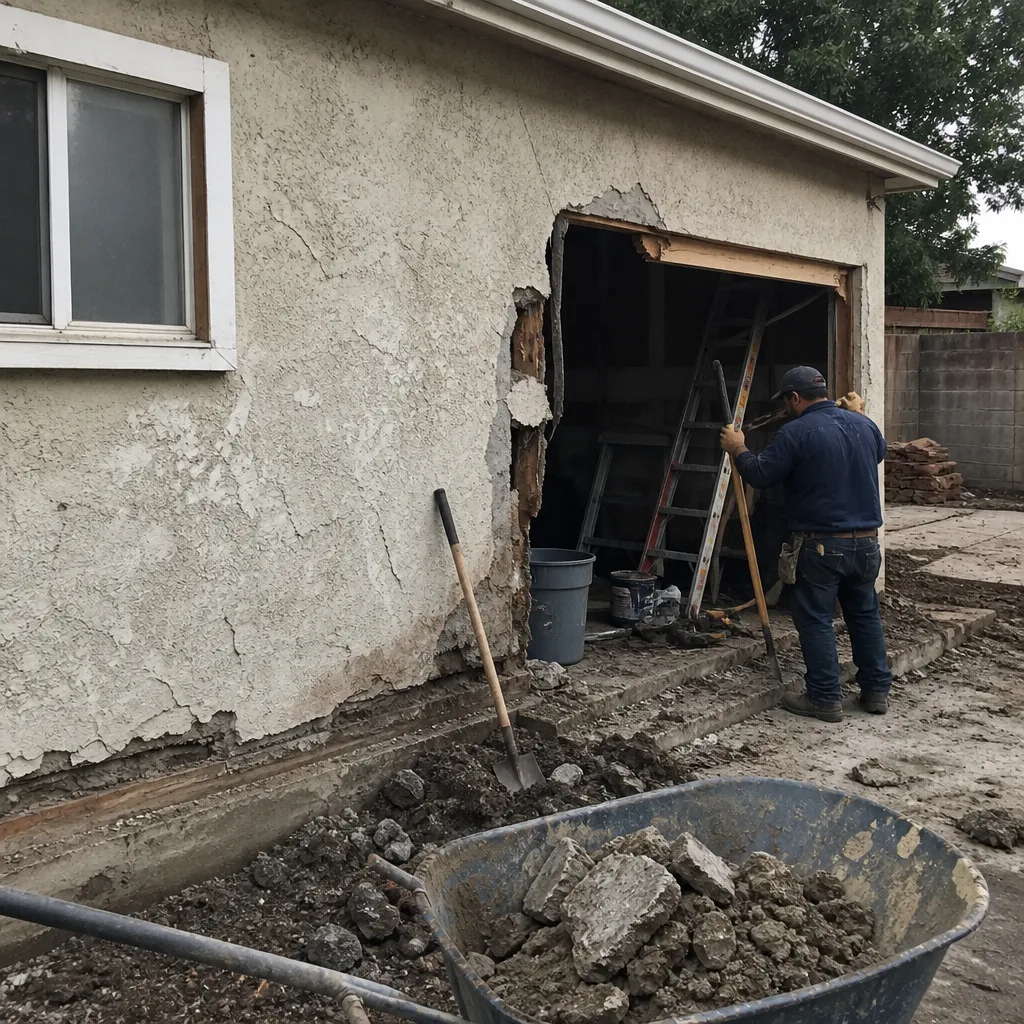
For CGI-integrated work in San Jose, a full home addition runs $53,100-$153,400, while a standalone ADU construction ranges $106,200-$259,600; garage conversions with CGI window and door packages fall at $35,400-$94,400. What drives the spread is existing structure integration: tying into a 1960s ranch with Estate Series units requires more demolition and reframing than a 2018 build with Sentinel already in place. Our quotes itemize CGI material, rough opening modification, tie-in flashing, and finish carpentry as separate lines, so you see where the money goes. Under Clause 1 of the Haven Standard, that written price is fixed before work starts; no change proceeds without a signed change order, which is how we’ve kept projects within a few percent of the agreed number across 4,000-plus jobs. The 365-Day Done Right Promise covers the installation and the interface with your existing CGI system, backed by terms you can read, not a handshake.
DIY or Call Us?
An owner can safely check the label location (inside the top track, visible when the sash is open) and measure the rough opening width and height to confirm series compatibility. What goes wrong fast is the structural integration: a CGI unit in an ADU conversion carries lateral load, and the fastening pattern must tie into the shear wall per San Jose’s amended Title 24 requirements. Get the fastener spacing wrong by six inches, and the inspector fails the rough. Get the flashing sequence wrong, and you rot the sill plate you can’t see for three years. We don’t write step-by-step structural instructions for a reason. Call (669) 271-8644 and we’ll walk through what you’re seeing, then schedule a free estimate with a written scope and price before any work starts.
FAQs
CGI’s impact-rated windows and doors typically deliver 20-25 years of service in San Jose, though south-facing units with dark frames may see thermal-break failure closer to 15 years due to surface temperature cycling. Coastal influence from winter storms accelerates hardware corrosion even inland. Call (669) 271-8644 for an exact quote on replacement - estimates are free.
Hardware, operators, and weatherstrip can be repaired or replaced; failed glass seals, delaminated impact fabric, or frame corrosion require full unit replacement because the impact rating is void and San Jose code will not pass the inspection. We evaluate on site and tell you which side of the line you’re on. Call (669) 271-8644 for a free second opinion on any written estimate.
A single unit swap in an open rough opening takes four to six hours; reframing for a different series or size adds a day. In a live ADU construction, we coordinate with the rough inspection schedule so the unit goes in after framing passes and before insulation, avoiding the two-week delay of a failed re-inspection. Call (669) 271-8644 to schedule your free estimate.
We stock common Sentinel and Impact Series operators, locks, and weatherstrip on our San Jose trucks; full units ship from CGI’s Florida facility with typical lead times of four to six weeks, though we maintain relationships with regional distributors for expedited pulls when a project timeline demands it. We confirm availability before the written price is issued, not after. Call (669) 271-8644 to check current stock against your model.
Written by Grant Rowan, Owner, Rowan Construction Group San Jose at Rowan Construction Group San Jose, serving San Jose and nearby areas.