
Free written scope consultation - allowances, timeline, and change-order rules on paper before a single trade is scheduled
 Before
 After
After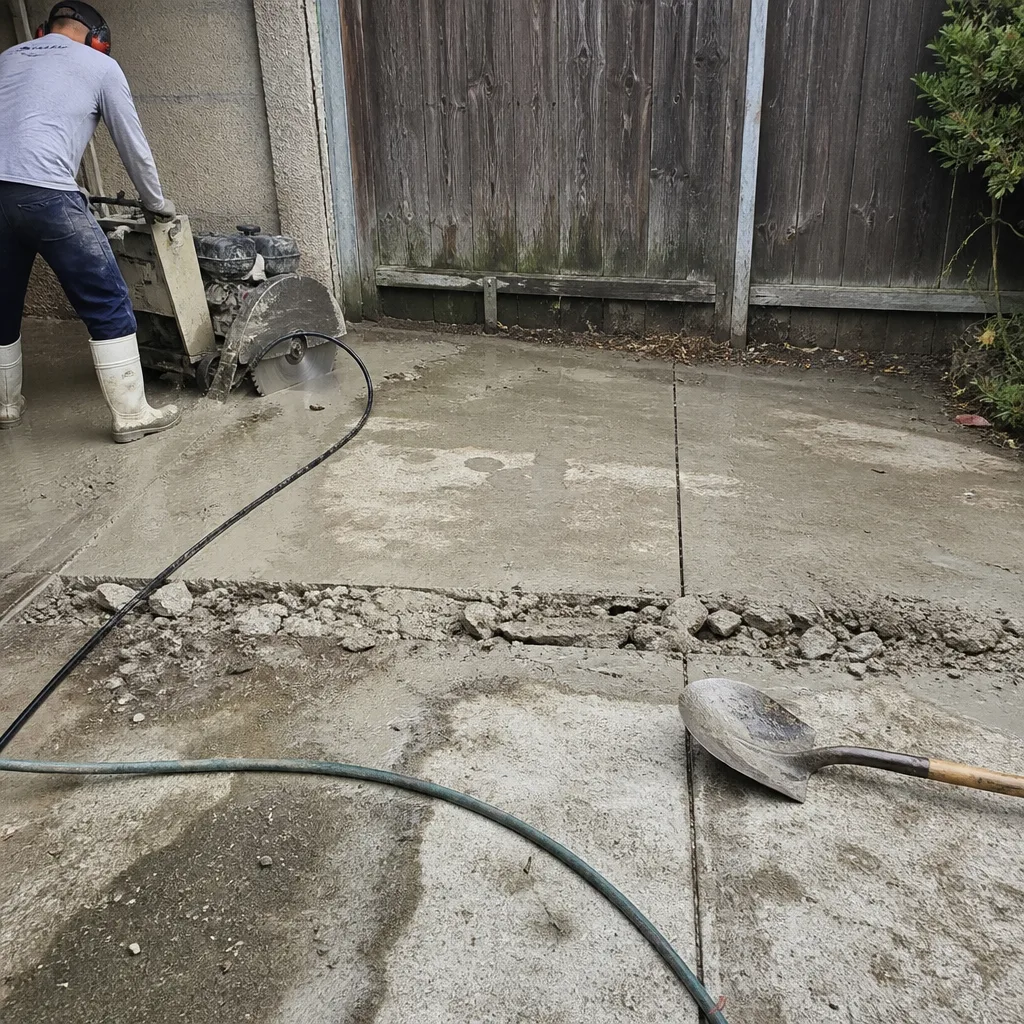 Before
 After
After Before
 After
AfterSakrete Home Additions & ADU: The San Jose Owner’s Guide
We stock and install Sakrete-compatible concrete and masonry materials for home additions and ADU foundations in San Jose, with typical installed pricing from $53,100 to $153,400 for full addition builds and $106,200 to $259,600 for detached ADU construction. Most Sakrete material consultations happen same week, and we carry spec sheets for the full Sakrete product line, including the 5000 Plus and High-Strength mixes most commonly specified by San Jose engineers for ADU slabs. Homeowners usually discover a material issue when their contractor’s pour cracks prematurely, the specified mix doesn’t match the engineer’s note, or the city inspector flags a submittal that doesn’t match the Sakrete data sheet on file.
Which Sakrete Models This Applies To
The Sakrete product line for residential construction breaks into three categories relevant to San Jose additions and ADUs: High-Strength Concrete Mix (the gray 60-lb or 80-lb bag, typically 4,000 psi at 28 days), 5000 Plus Concrete Mix (the high-early-strength blend specified when the schedule demands foot-traffic or framing load in 24-48 hours), and Fast-Setting Concrete Mix (the post-set blend, less common for slabs but specified for pier and grade-beam work). We also see Sakrete Top’n Bond and B-1 Leveler called out for ADU floor prep when the existing garage slab needs resurfacing before waterproofing.
Identifying the right product starts with the engineer’s spec note, not the bag color. The submittal package should list the Sakrete product by name and ASTM C387 compliance; if it says “4,000 psi min.” without a brand, any Sakrete High-Strength bag with the matching psi rating and a current ICC-ESR report satisfies the inspector. The gotcha in San Jose’s jurisdiction: the city requires a current ESR-3703 or later for Sakrete products used in ADU foundations, and we’ve seen permits held up when a contractor submits an expired 2019 data sheet pulled from a bookmarked PDF. We keep current submittals on file, and we verify the lot number against the mill certificate before the truck arrives.
OEM Sakrete versus equivalent aftermarket: for most slab work, the engineer specifies performance, not brand, so a Quikrete 5000 or CTS Rapid Set equivalent with matching psi and slump meets the spec. Where Sakrete matters is when the structural note names it explicitly, usually because the original geotechnical report was written around Sakrete’s published shrinkage and modulus data. We source Sakrete direct from the authorized distributor in San Jose, and we quote the actual delivered price per bag, not a placeholder. If the spec is performance-only, we’ll flag the equivalent and price both so you can decide.
Signs Your Sakrete Home Additions & ADU Is Failing
- Surface cracking within 72 hours of pour. Plastic shrinkage cracks running parallel, usually 1-3 feet apart, mean the mix dried too fast in San Jose’s late-summer heat or the contractor skipped the curing compound. The slab may still test at strength, but the crack is a pathway for moisture and a flag for the inspector.
- Spalling or pop-outs at 6-12 months. Small cone-shaped fractures breaking the surface indicate alkali-silica reaction or freeze-thaw damage, rare in San Jose’s mild climate but common when the mix sat in a distributor’s outdoor pile through a rainy season and absorbed excess moisture before delivery.
- Low break-test results on the 7-day cylinder. If the lab cylinder hits 2,800 psi when 4,000 was specified, the mix may have been over-watered at the chute, the wrong Sakrete product was delivered, or the cylinder was stored on-site in sun instead of a moisture room. We photograph cylinder storage as part of our documented record.
- Visible segregation in the finished slab. A layer of paste at the top with aggregate settled below means the mix was over-vibrated or dropped too far during pour, a crew error, but it can also signal that a “flowable fill” Sakrete product was substituted for a standard mix without engineering approval.
- Inspector rejection of the submittal at pre-pour. The most expensive failure: work stops until the correct Sakrete product data sheet, with current ESR and San Jose-specific amendments, is on file. We’ve seen two-week delays from a contractor who grabbed the first PDF from Google.
 Before
 After
AfterReplacement Cost & What’s Included
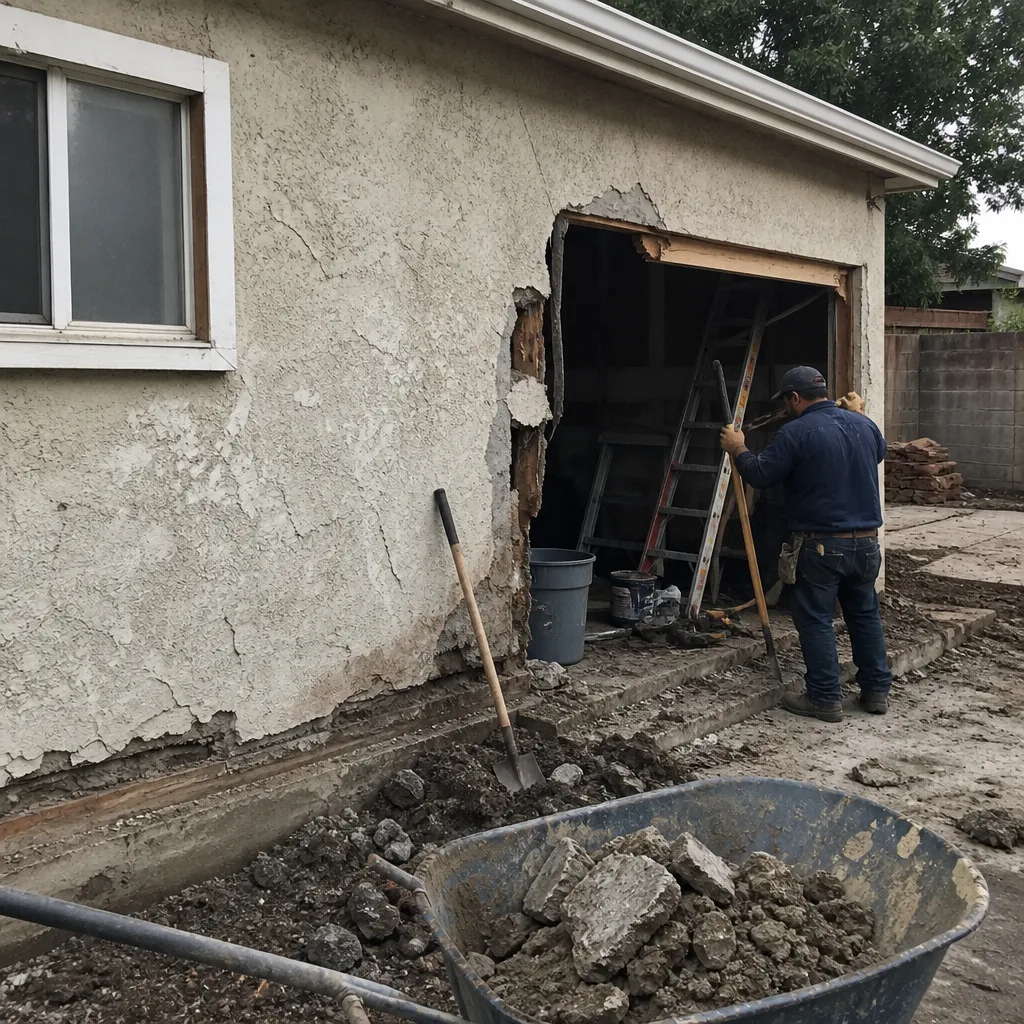
Home addition construction in San Jose runs $53,100 to $153,400, and ADU construction runs $106,200 to $259,600, with the concrete and masonry package typically representing 8-15% of the total. A Sakrete-specific slab replacement, meaning we remove and repour an existing failed ADU foundation, falls in the lower portion of that range, around $18,000 to $47,000 depending on square footage, access for the pump truck, and whether the rebar can be salvaged.
What drives the range: slab thickness (4-inch standard versus 6-inch for garages or heavy-load areas), vapor barrier and edge insulation requirements under Title 24, and the cost of San Jose’s concrete washout disposal, which runs higher than surrounding counties due to environmental surcharges. Our quote is a flat written price with a written scope, delivered before any work starts, per Clause 1 of the Haven Standard. The price includes Sakrete material at current distributor pricing, placement labor, curing compound, and the documented photo record of every phase. No change proceeds without a signed change order. The 365-Day Done Right Promise covers the installation; material defects are handled through Sakrete’s own warranty, which we document and file on your behalf.
DIY or Call Us?
There’s a safe middle ground for homeowners who want to verify the problem before calling. Check the bag label against the engineer’s spec note, photograph the lot number, and confirm the ESR date on Sakrete’s website. If the product matches and the pour still failed, the issue is likely placement or curing, not material.
Where DIY goes wrong: removing and repouring a structural slab involves load calculations, rebar tying to engineer’s detail, and a city inspection with a signed T24 compliance form. The Sakrete mix is only as good as the subgrade prep, the vapor barrier lap, and the cure time before framing load. We’ve been called to San Jose ADUs where a homeowner’s self-pour saved $4,000 upfront and cost $18,000 to remove when the inspector flagged insufficient rebar cover. For anything bearing a structure, call (669) 271-8644 and we’ll schedule a free estimate with a written price before anyone picks up a trowel.
FAQs
A properly placed and cured Sakrete slab in San Jose’s mild, low-freeze climate should perform for 50-plus years, with the primary wear coming from soil settlement rather than freeze-thaw cycling. The Almaden Valley and Evergreen areas, with their expansive clay soils, see more slab movement than the sandy loam near Willow Glen, so we spec a thicker vapor barrier and control-joint spacing adjusted to local geotech. Call (669) 271-8644 for an exact quote on your specific site, estimates are free.
Hairline cracks can be epoxy-injected if they don’t affect structural capacity, but cracks wider than 1/4 inch, or any crack with vertical displacement, usually require replacement per the engineer’s letter. We don’t quote repairs on structural slabs without a stamped evaluation, because patching a failing substrate wastes money and fails inspection. Call (669) 271-8644 and we’ll review the crack pattern and engineer’s note at no charge.
Demolition of a failed ADU slab runs one to two days, subgrade prep and rebar one day, the Sakrete pour and finish one day, and cure time before framing load a minimum of seven days for High-Strength Mix or three days for 5000 Plus. Total calendar time, including San Jose permit amendments and inspection scheduling, typically runs three to four weeks. We build the schedule into the written quote so you’re not guessing. Call (669) 271-8644 for a timeline specific to your project.
We don’t warehouse bagged concrete, it has a shelf life and the 80-lb bags are brutal on crew backs. What we stock is the relationship with San Jose’s authorized Sakrete distributor, the current submittal package, and the mill certificates for every lot we’ve specified in the last two years. When your project calls for Sakrete, we order direct from distributor stock, verify the ESR date, and have the material on the truck the morning of pour. For equivalent products from KraftMaid, Cambria, or Silestone in their respective trades, we maintain the same direct-source discipline. Call (669) 271-8644 to confirm current availability for your spec.
Rowan Construction Group San Jose is an independent contractor and is not affiliated with Sakrete. We source Sakrete products through authorized distributors and honor all manufacturer warranties as specified.
Measure twice, permit once, then we talk timeline. That’s how Grant Rowan has run projects across San Jose since 2007, and it’s why our ADU builds finish within a few percent of the written price we gave you on day one.
Written by Grant Rowan, Owner, Rowan Construction Group San Jose at Rowan Construction Group San Jose, serving San Jose and nearby areas.