
Free written scope consultation - allowances, timeline, and change-order rules on paper before a single trade is scheduled
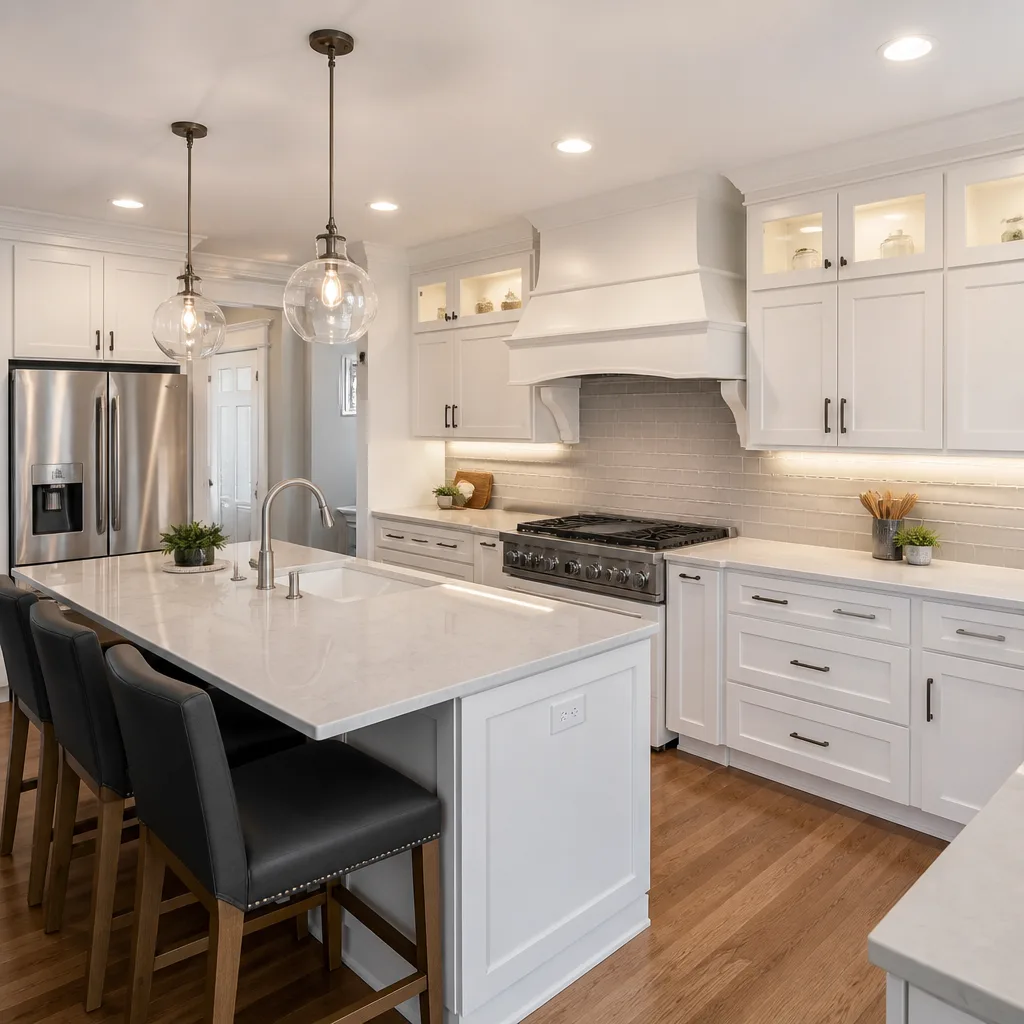
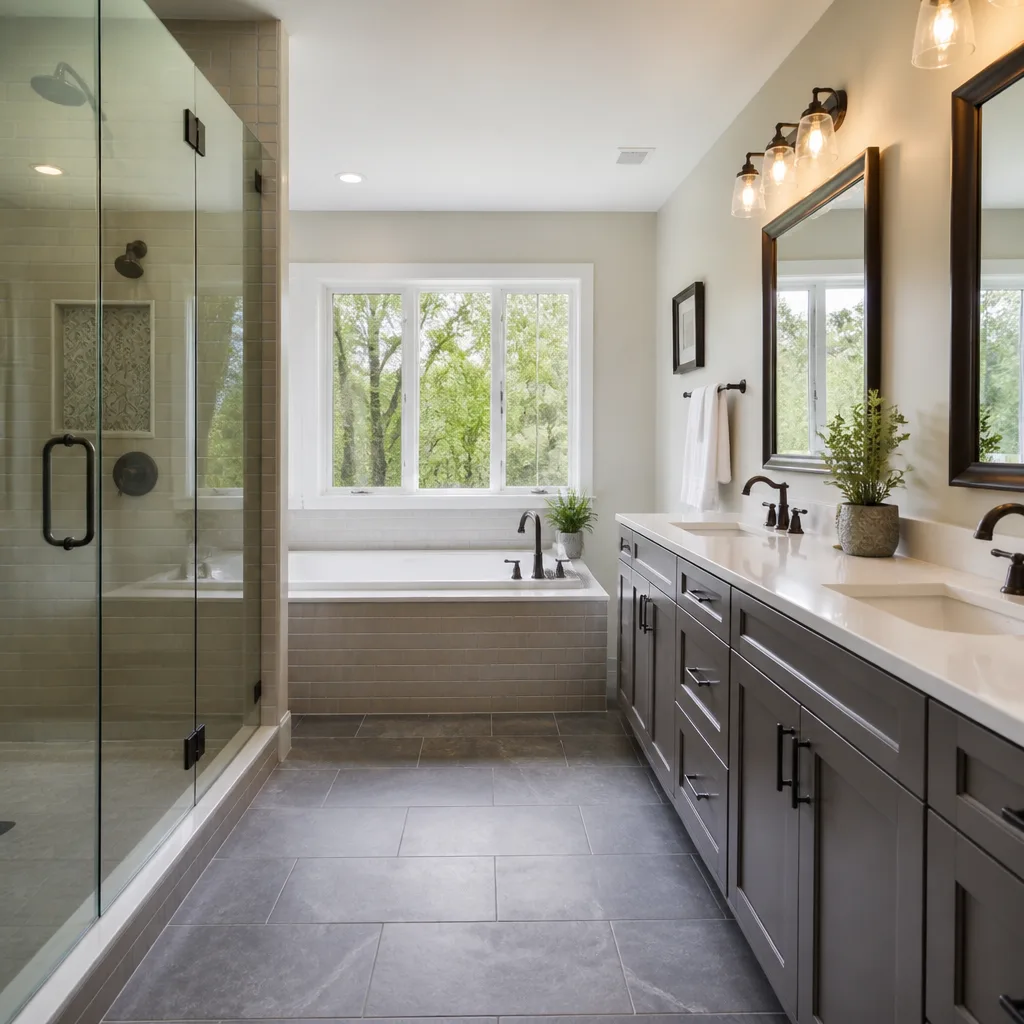
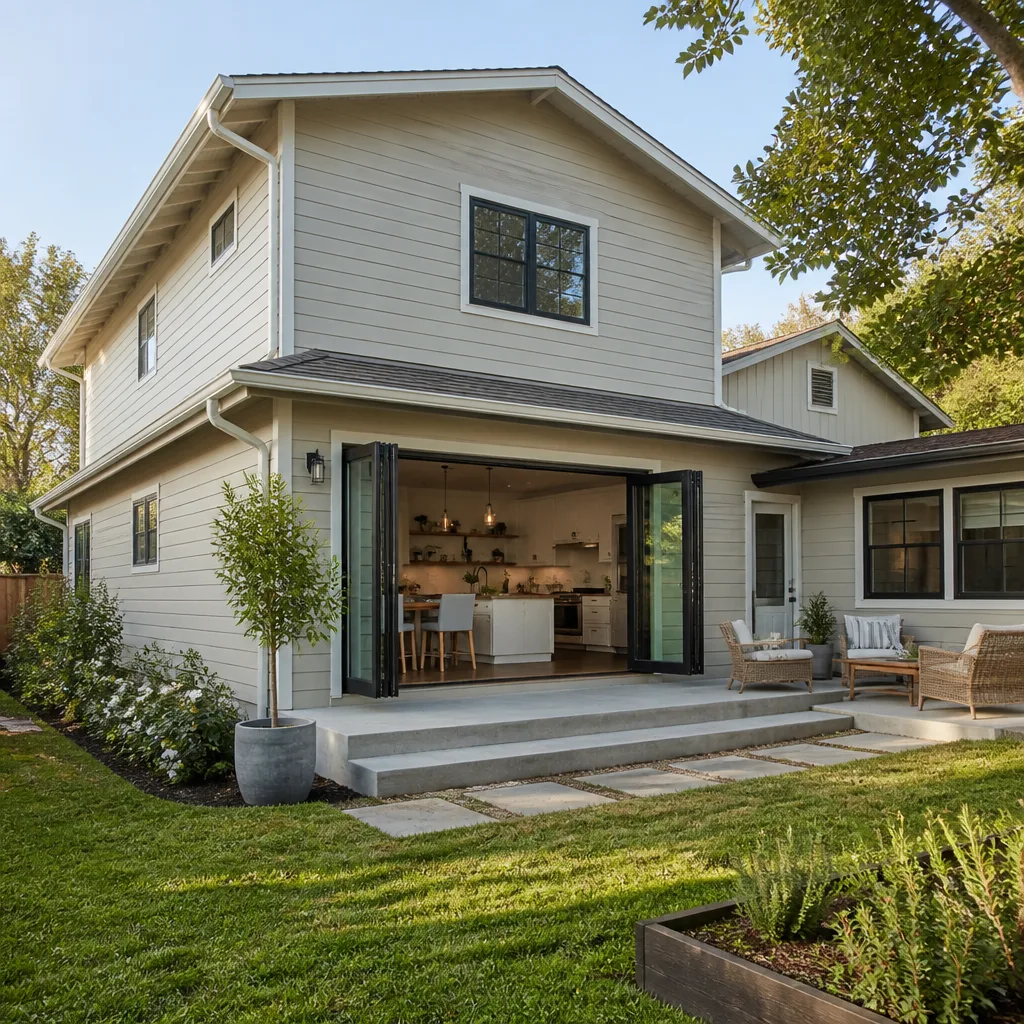
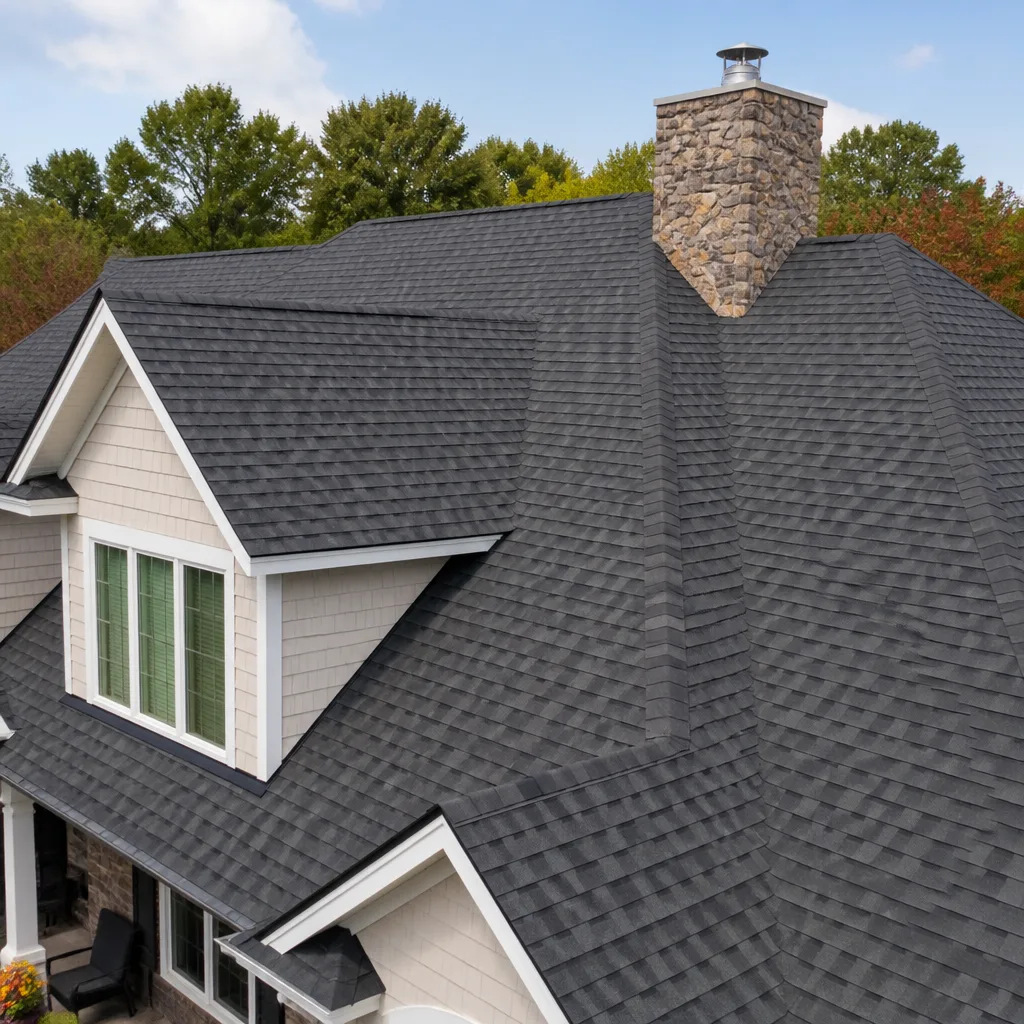
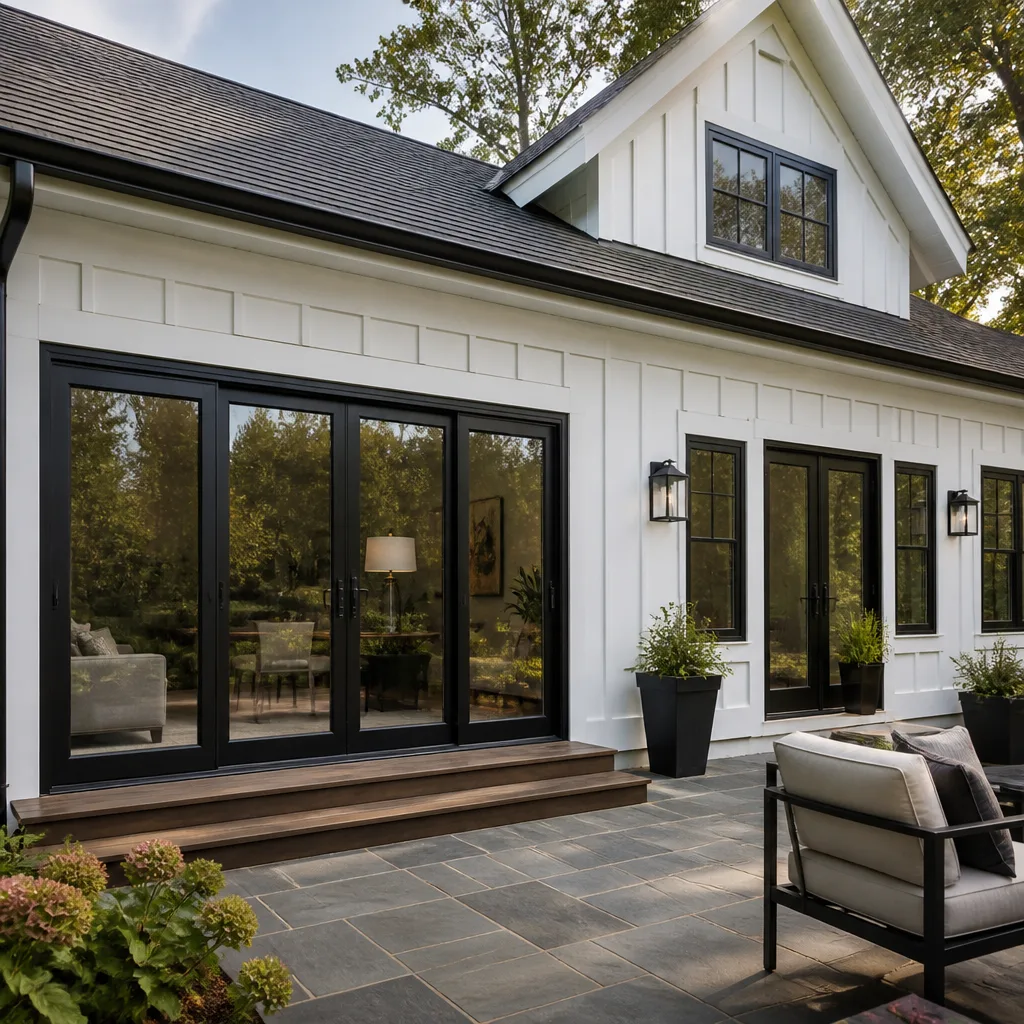
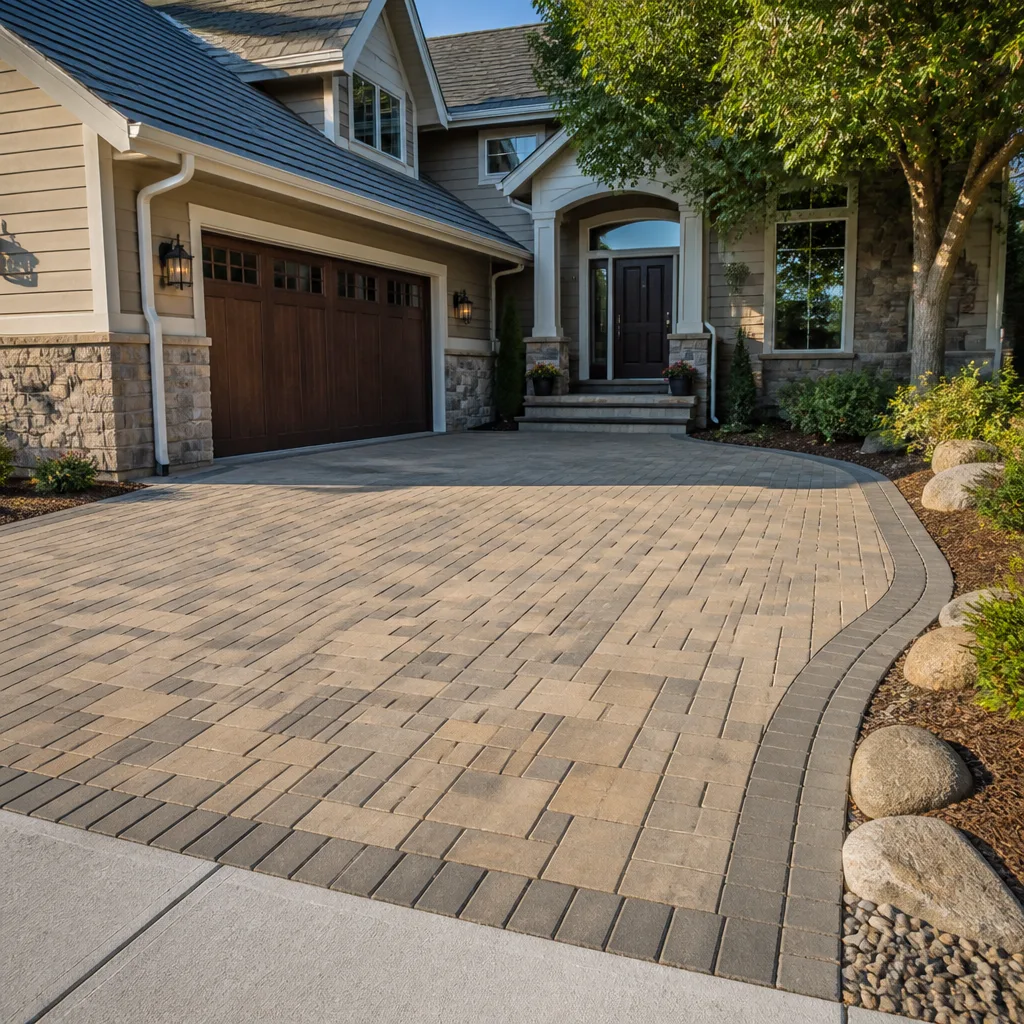
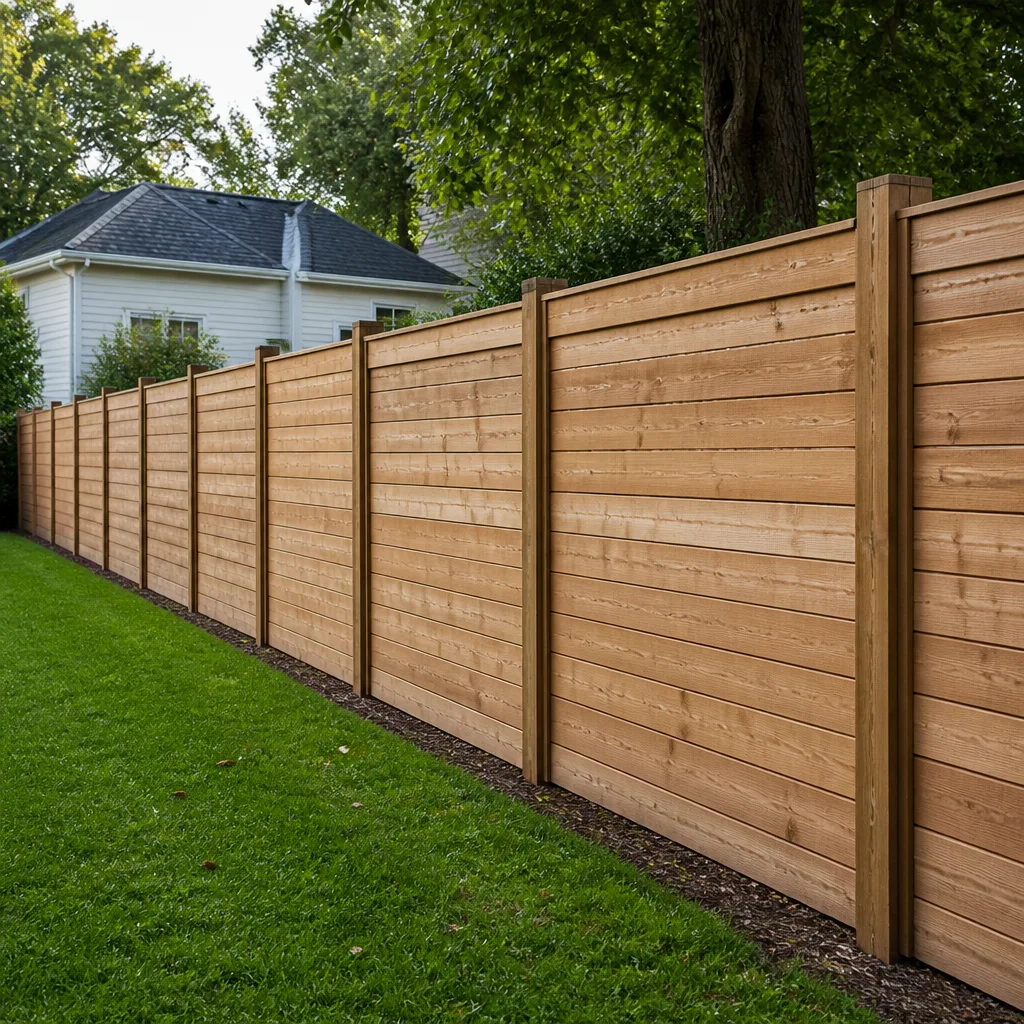
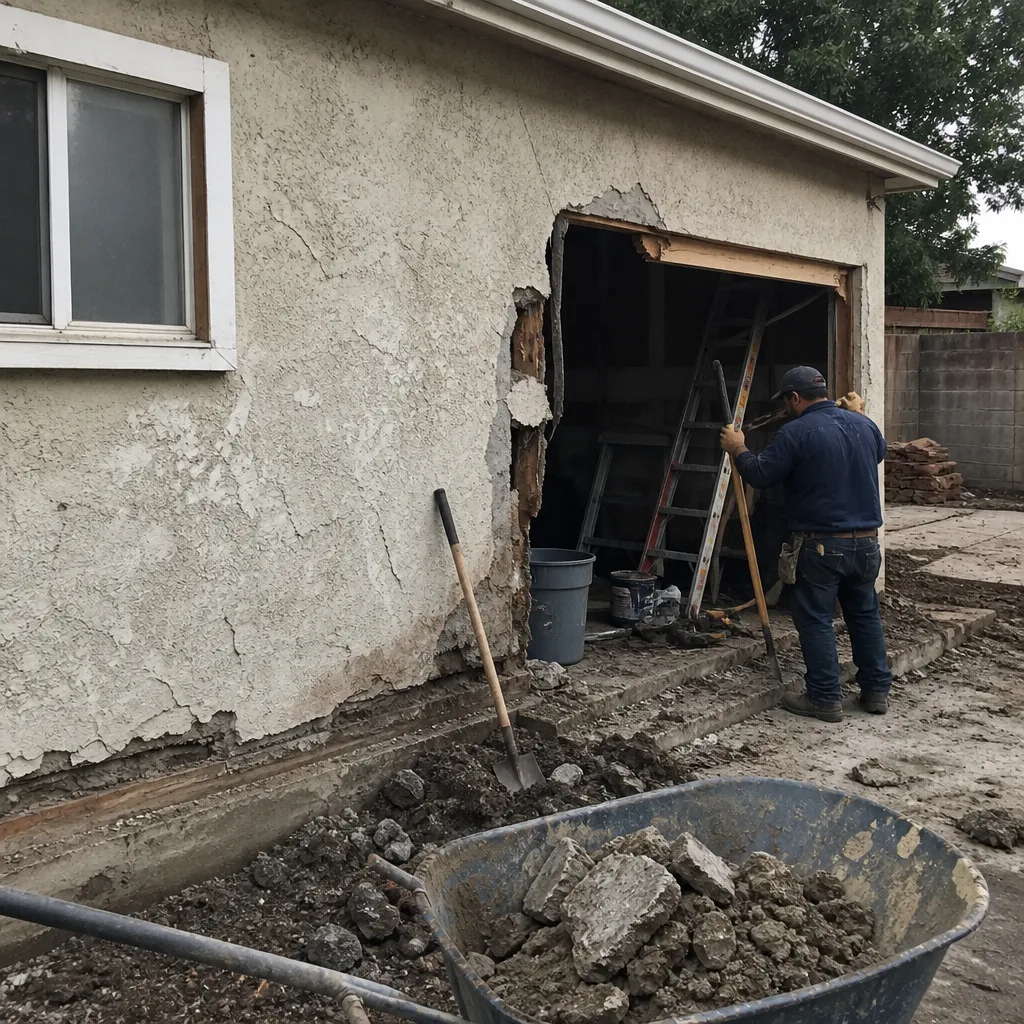 Before
 After
After Before
 After
After Before
 After
AfterUnilock Home Additions & ADU: The San Jose Owner’s Guide
Unilock pavers and retaining wall systems used in San Jose home additions and ADU projects typically run $53,100-$153,400 installed, depending on whether you’re extending a foundation footprint, building a detached unit, or integrating hardscape into an existing structure. We stock Unilock-compatible installation systems and can match your existing series for seamless expansion. Most San Jose homeowners discover their Unilock integration needs attention when settling cracks appear at the addition junction, or when water intrusion stains the joint between original construction and new hardscape - especially common in the clay-heavy soils of Almaden Valley and the seasonal expansion cycles near the Guadalupe River corridor.
Which Unilock Models This Applies To
Unilock’s product lines for residential additions and ADU hardscape break into three categories we regularly encounter in San Jose: the U-Cara Multi-Face Wall System for vertical integration (retaining walls, planter beds, foundation facing), the Beacon Hill Flagstone and Richcliff paver series for horizontal surfaces, and the Copthorne or Courtstone lines for accent borders and transition zones between existing and new construction.
Identifying your series starts with the manufacturing stamp. Flip a loose paver or check the back side of a wall unit - Unilock etches the series name and production date into the concrete. For vertical systems, look for the small rectangular tag molded into the rear cavity; U-Cara units carry a “UC” prefix followed by the face style code. Measure the unit face dimensions with a tape measure, not eyeballing: Beacon Hill Flagstone runs 21 1/4″ × 15 3/4″ in the large rectangle, while Richcliff is 27 13/16″ × 9 7/16″ - mixing these in a repair creates a pattern break that’s visible from twenty feet.
The OEM-versus-aftermarket question for Unilock is straightforward in our experience. Unilock’s color-matching technology, particularly their EnduraColor Plus two-layer manufacturing, is proprietary - the wear layer thickness and aggregate composition are spec’d to their own plants. Generic gray-block “matches” fade to two different colors within three San Jose summers. We source factory-direct Unilock for any visible surface and use vetted structural equivalents only for buried base courses where color doesn’t matter. KraftMaid, Cambria, and Silestone are other brands we stock parts for, but Unilock’s paver-specific chemistry requires Unilock material for aesthetic continuity.
Signs Your Unilock Home Additions & ADU Is Failing
- Step cracking along the addition joint. The original foundation and the new hardscape or wall system are moving at different rates. In San Jose’s Willow Glen neighborhood, we see this where 1950s concrete butts against new Unilock retaining walls - the clay soil swells in winter rains and the old concrete doesn’t flex, transferring shear stress to the new wall face.
- Efflorescence blooming on wall faces or paver surfaces. White mineral deposits signal moisture migrating through the joint system. This usually means the drainage aggregate behind the wall has clogged with native soil, or the geotextile fabric has degraded - common after five to seven years in California’s UV exposure.
- Sinking or tilting pavers within six feet of the addition. The base course has lost compaction, often from inadequate initial compaction (should be 98% standard Proctor) or from water undermining through a failed edge restraint. In the Almaden Valley, we’ve traced this to irrigation overspray pooling against the new construction.
- Gaps opening between wall caps and the course below. Thermal expansion cycles in South San Jose’s wider temperature swings - 30°F winter mornings to 95°F summer afternoons - can degrade the flexible adhesive Unilock specifies for cap installation. The fix is removal, substrate prep, and re-adhesion with fresh material.
- Water staining on interior drywall adjacent to an exterior Unilock wall. This indicates a breach in the waterproofing membrane or flashing where the hardscape system meets the framed structure. It’s the symptom that costs the most if ignored, because rot propagates in the wall cavity before you see it inside.
 Before
 After
AfterReplacement Cost & What’s Included
Home additions and ADU construction in San Jose using Unilock systems fall in the $53,100-$153,400 range, with ADU-specific construction running $106,200-$259,600 where full utilities and independent foundation work are required. What drives the spread: whether we’re integrating with existing hardscape (lower) or building freestanding walls and patios from grade (higher), the depth of excavation required for proper drainage, and whether permit-triggered engineering is needed for retaining walls over four feet.
Our written quote breaks out material, labor, and permit costs separately - Clause 1 of the Haven Standard requires the price in writing before any work starts. Unilock material is priced at our wholesale rate plus standard markup, not hidden in a lump sum. Every installation carries the 365-Day Done Right Promise: if the cap shifts, the joint opens, or the color match fails, we return and correct it. The documented photo record from every visit is included as standard, not an upgrade, so you have a dated visual record of substrate condition, drainage layer installation, and final placement.
DIY or Call Us?
There’s a clear line between what a San Jose homeowner can assess and what requires a crew. You can check: whether the crack is growing (mark it with tape and date it), whether the wall is plumb (a four-foot level held vertically), and whether drainage is obvious (water should not pool at the wall base for more than thirty minutes after irrigation stops).
Where DIY goes wrong: excavating behind a retaining wall without understanding the surcharge load - the soil and structures above the wall that press downward - can trigger a collapse. Rebuilding a U-Cara wall face without the proper adhesive pattern and expansion joint spacing voids the aesthetic warranty and often the structural one too. And any work that requires cutting Unilock’s concrete units with a wet saw generates silica dust that demands proper respiratory protection; we’ve seen homeowners underestimate this repeatedly. For anything involving wall stability, waterproofing, or permit-triggered heights, we recommend a professional evaluation. Call (669) 271-8644 to schedule yours - estimates are free, and we deliver a written price before any work starts.
FAQs
Properly installed Unilock hardscape with EnduraColor Plus surfacing lasts 25-30 years in the South Bay, though the flexible jointing sand and adhesive components need refreshment at 8-12 year intervals due to UV degradation and thermal cycling. Call (669) 271-8644 for an assessment of your specific installation’s condition - estimates are free.
Localized repair is usually possible if the base course and drainage layer remain intact; we remove the affected units, address the underlying cause (compaction, drainage, or adhesion failure), and reinstall with matched material. Full replacement becomes necessary when the pattern is discontinued or when settlement has compromised the structural base across a wide area. Call (669) 271-8644 and we’ll evaluate whether repair or replacement is the honest recommendation for your situation.
Most residential repairs - cap reset, paver releveling, joint sand replacement - finish in one to two working days. Full ADU hardscape integration, including excavation, base prep, and installation, typically runs two to four weeks depending on permit inspection scheduling through the City of San Jose. We build the timeline into the written quote so you know before we start.
We maintain relationships with Unilock’s Northern California distribution network and can typically source matching material within three to five business days for current series; discontinued lines require longer lead times or custom color-matching consultation. We confirm material availability before quoting, not after - another reason the written price arrives before any work starts.
Written by Grant Rowan, Owner, Rowan Construction Group San Jose at Rowan Construction Group San Jose, serving San Jose and nearby areas.