
Free written scope consultation - allowances, timeline, and change-order rules on paper before a single trade is scheduled
 Before
 After
After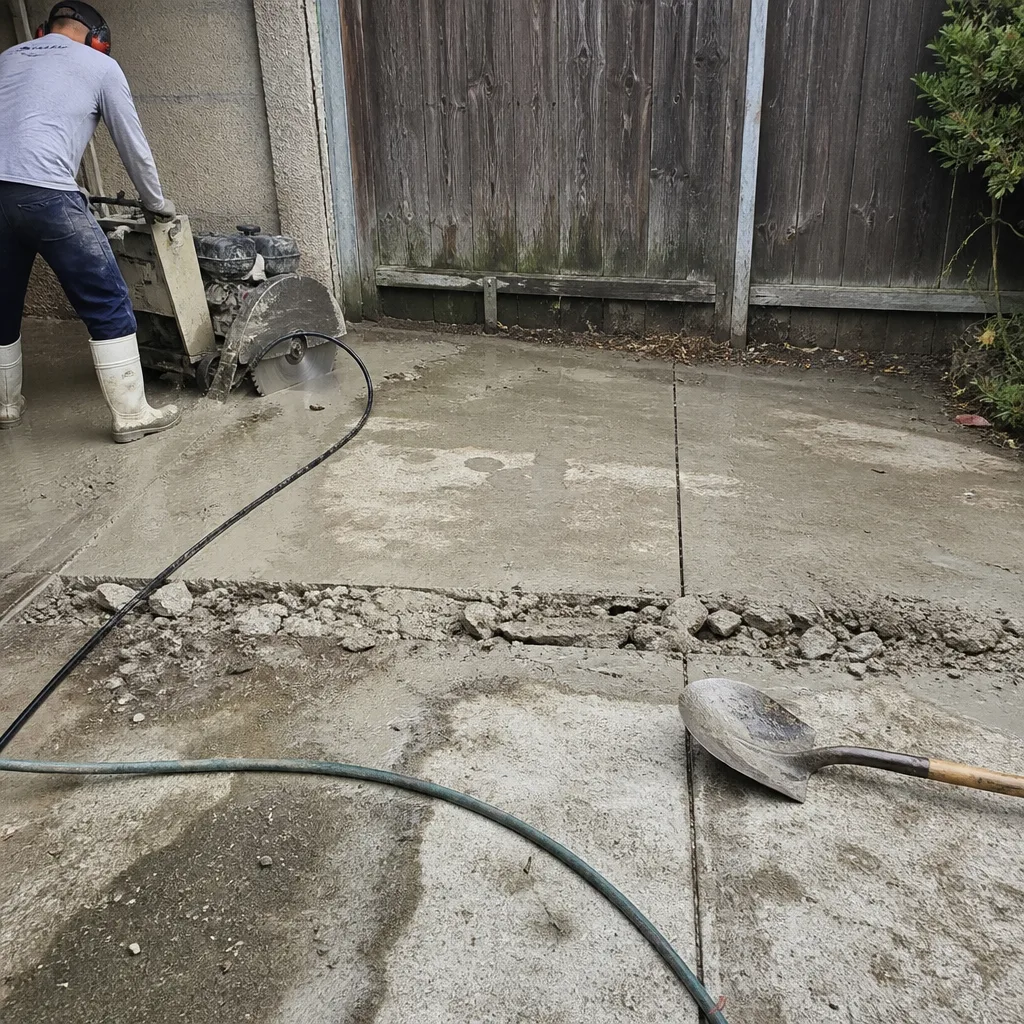 Before
 After
After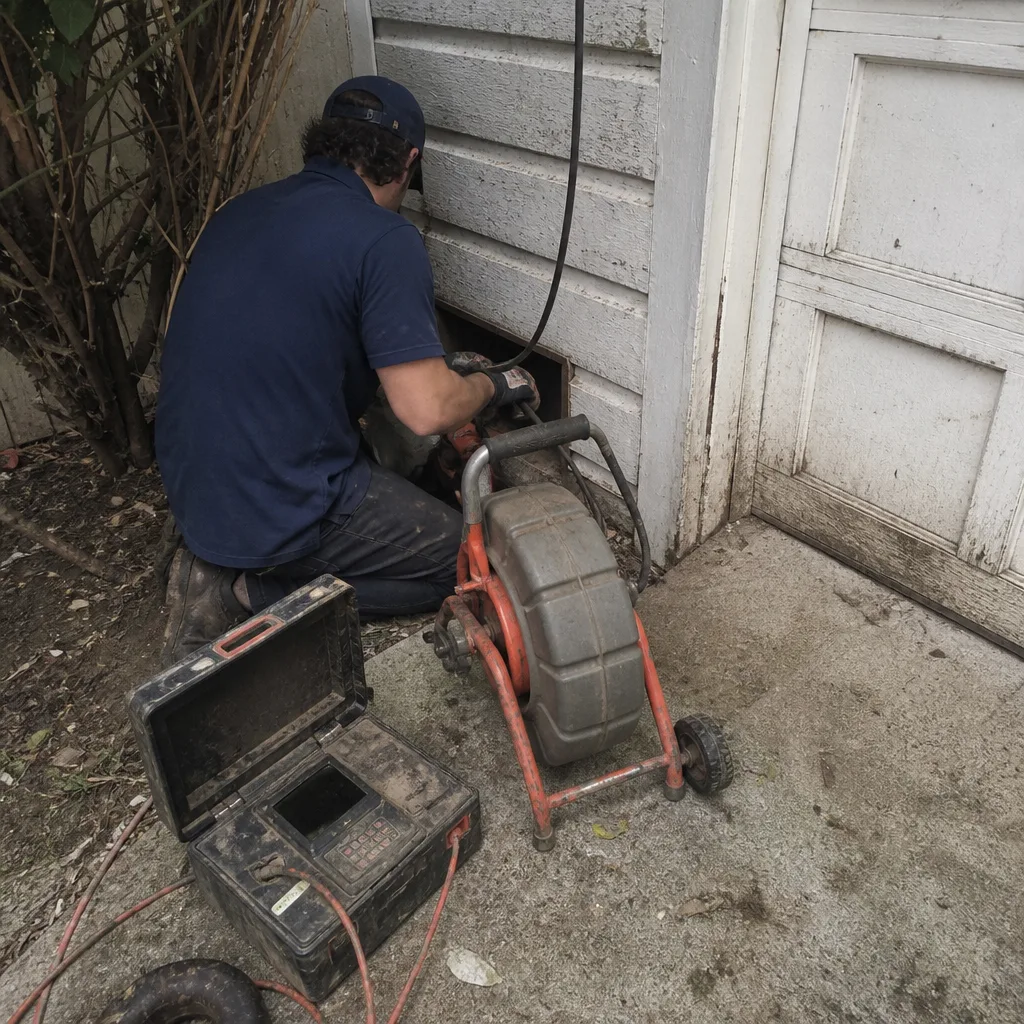 Before
 After
AfterHow Much Does a Tub-to-Shower Conversion Cost in San Jose?
A tub-to-shower conversion in San Jose, CA costs between $4,130 and $11,800 for most homes, with the midpoint falling around $6,500 to $7,500 for a standard alcove conversion using tile walls and a prefabricated base. The exact number depends on three things: how much demolition the existing tub surround requires, whether the drain and supply lines need to be relocated, and the finish materials you select. Most Rowan Construction Group projects in San Jose land within a few hundred dollars of the written estimate we put on paper before anyone picks up a tool.
Tub-to-Shower Conversion Cost Breakdown (2026)
Below are the line-item ranges we use when building a written quote for a tub-to-shower conversion in San Jose. These reflect 2026 labor and material costs in Santa Clara County – contractor rates here run higher than the national average, and that difference is real enough to be worth naming plainly.
| Line Item | Low Estimate | High Estimate | Notes |
|---|---|---|---|
| Demolition and debris removal | $380 | $850 | Higher if cast iron tub requires cutting for extraction |
| Waterproofing membrane installation | $420 | $1,100 | Schluter Kerdi or RedGard applied to substrate before tile |
| Drain reconfiguration and plumbing | $350 | $1,400 | Cost climbs if drain must shift more than 6 inches from tub location |
| Shower base / pan | $280 | $1,800 | Prefab acrylic on the low end; custom tile mud-set pan on the high |
| Wall tile and installation | $900 | $3,200 | Ranges from 4×4 ceramic to large-format porcelain or natural stone |
| Shower door or enclosure | $450 | $2,200 | Framed vs. frameless glass (Kohler frameless units sit at the top) |
| Showerhead, valve, and fixtures | $220 | $950 | Kohler Forte to Kohler Venza depending on finish selected |
| Backing board, cement board, or Wedi panel | $130 | $400 | Wedi boards cost more but eliminate a separate membrane step |
| Permits (City of San Jose) | $0 | $450 | Required when supply or drain lines are relocated; Rowan handles filing |
| Labor (demo through finish) | $1,000 | $2,800 | Reflects Santa Clara County prevailing trade rates, 2026 |
The low end of the full project range – around $4,130 – is realistic when the tub is already in an alcove configuration, the drain stays in its current position, you choose a prefab base and a mid-grade ceramic tile, and no permit is triggered. The high end – approaching $11,800 – shows up on jobs where a freestanding soaker tub gets removed, a custom mud-set pan is built to accommodate a barrier-free shower entry (common in Willow Glen and Rose Garden homes being updated for aging-in-place), frameless glass is specified, and large-format porcelain that requires back-buttering and precision leveling is the wall finish of choice.
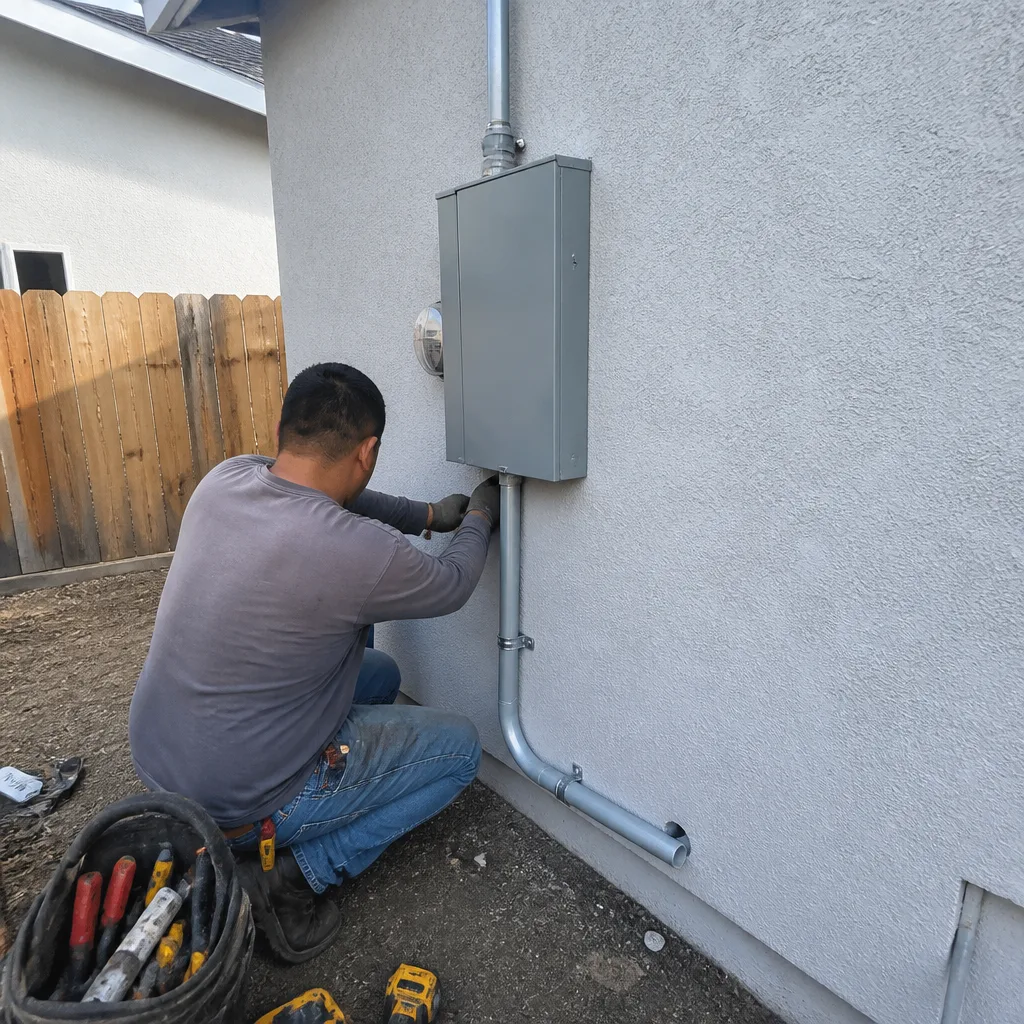
A note on permits: the City of San Jose Building Division requires a permit any time a licensed contractor relocates supply lines or changes a drain’s rough-in location. That adds a modest cost but also creates an inspection record that matters when you sell the home. Under our standard process, we file the permit application and schedule the inspection – you receive copies of all documentation as part of the photo record we keep on every visit.
What Affects Tub-to-Shower Conversion Pricing in San Jose
- Existing plumbing configuration: San Jose homes built before 1975 – particularly in neighborhoods like Naglee Park, Burbank, and the older sections of Cambrian – often have galvanized supply lines that should be replaced during a conversion rather than connected to new fixtures. That adds $300 to $700 but avoids a separate plumbing call inside two years.
- Tub type being removed: A standard 60-inch acrylic alcove tub lifts out in a morning. A cast iron tub – still found in many pre-1965 bungalows and craftsman-era homes in San Jose’s Naglee Park and Japanese Friendship Garden districts – has to be cut into sections for removal, which adds demo time and disposal cost.
- Drain relocation distance: Tub drains and shower drains are rarely in the same position. Moving a drain up to 6 inches is a modest cost. Moving it 12 to 24 inches requires cutting the slab or subfloor and re-routing the P-trap, which can add $600 to $1,200 to the plumbing line item.
- Waterproofing method chosen: California’s building code (Title 24) requires waterproofing behind wet-area tile. A sheet membrane like Schluter Kerdi is applied in one step and is what we spec on most jobs. A liquid-applied membrane like RedGard takes two coats and a cure day. Wedi foam board combines substrate and membrane in one panel, which costs more upfront but speeds the schedule by a day.
- Shower door or curtain rod: A tension curtain rod adds almost nothing to the project. A framed sliding door runs $450 to $700 installed. A frameless glass enclosure – the finish that photographs well and holds up better over time – runs $1,100 to $2,200 installed, depending on glass thickness and hardware finish.
- Tile selection and layout complexity: Standard 4×4 or 12×12 ceramic tile is the least expensive to install because cuts are simple and setting is fast. Large-format 24×48 porcelain slabs require a flat substrate within 1/8 inch in 10 feet, back-buttering every piece, and often a day of prep work that doesn’t happen with smaller tile. In San Jose’s competitive remodeling market, we see a lot of Calacatta-look porcelain from brands like MSI or Daltile specified for master baths – it reads like stone, costs a fraction of natural marble, and performs better in a shower environment.
 Before
 After
AfterTub-to-Shower Conversion vs. Other Bathroom Projects: Where Does It Fit?
A tub-to-shower conversion at $4,130 to $11,800 sits squarely between a cosmetic bathroom refresh and a full gut remodel. For context using our San Jose market pricing: a Tub-to-Shower Conversion in San Jose is one of the more efficient bathroom upgrades available – it delivers a functional and visual transformation without the cost of moving walls or replacing every fixture in the room.
A small bathroom remodel (which might include vanity, toilet, tile floors, and a new shower) runs $5,900 to $14,160 in San Jose. A full bathroom remodel that includes layout changes and high-end fixtures runs $10,620 to $33,040. A walk-in shower installation (starting from a roughed-in space rather than a tub removal) runs $5,310 to $14,160. The tub-to-shower conversion sits at the lower end of that range because you’re working within an existing footprint – the rough plumbing is already close, the alcove or surround walls are already framed, and you’re replacing rather than building from scratch.
If your home has only one bathroom and that tub is the only bathing option for young children, this is worth factoring into timing. If the tub is in a master bath that rarely gets used as a tub, the conversion almost always makes sense from both a usability and resale standpoint. In San Jose’s housing market, walk-in showers in master baths have been a buyer preference for at least the past decade.
How to Save on a Tub-to-Shower Conversion in San Jose
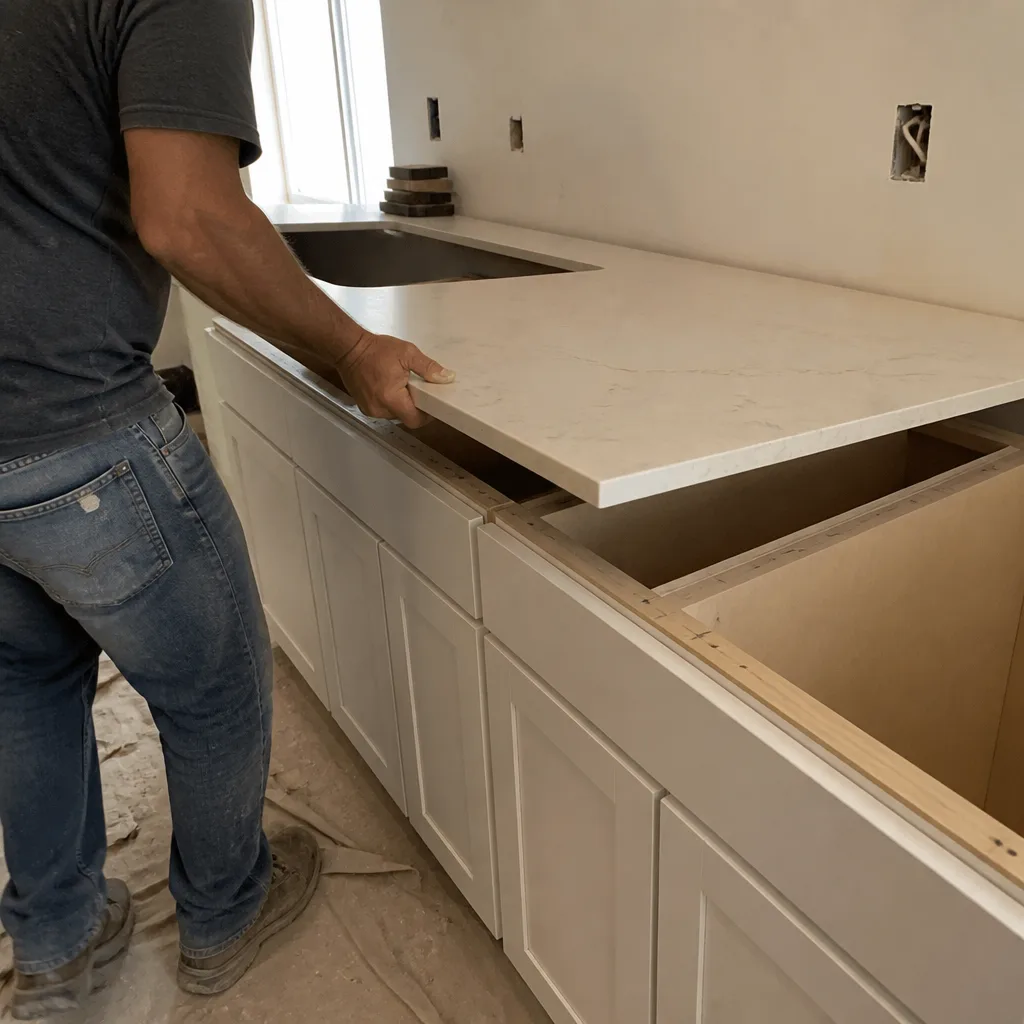
A few practical decisions – made before the quote is signed, not after – can move a project from the high end of the range to the mid-range without sacrificing durability or finish quality.
- Keep the drain where it is if possible. Ask your contractor specifically whether the existing tub drain location is workable for a shower pan. On many standard 60-inch alcove setups, the answer is yes or close enough to avoid a slab cut. That one decision can save $600 to $1,200.
- Choose a prefab shower base over a custom mud-set pan. A Kohler Choreograph or similar prefabricated base in a standard size runs $250 to $500 in materials and installs in a fraction of the time a custom mud-set pan requires. The tradeoff is that prefab bases don’t accommodate non-standard dimensions or barrier-free entries. If your alcove is a standard 60×32 or 60×36, the prefab route is worth pricing.
- Select large-format tile only for walls, not the floor. Large porcelain slabs on the walls create the look most homeowners want. On the shower floor, smaller mosaic tile (2×2 or penny tile) is actually the better technical choice – more grout lines mean more traction and better drainage – and it costs less to install because it comes pre-mounted on mesh sheets.
- Use a framed glass door instead of frameless for now. A frameless enclosure looks cleaner, but a good framed sliding door from Kohler’s Levity line performs well and can be replaced later if your tastes or budget change. The wall prep is the same either way.
- Get a second opinion on any written estimate. Rowan’s Free Second Opinion offer is a standing policy: bring a competitor’s written quote and we’ll review it line by line at no charge. In San Jose’s contractor market, we regularly see waterproofing left off itemized quotes – it’s not a free step, and if it’s missing from the scope, it’s either being skipped or buried in overhead. Either way, you deserve to know before work starts.
For a written price on your specific layout, call (669) 271-8644. Estimates are free, the quote is a flat number with a written scope, and nothing changes after you sign without a signed change order – that’s Clause 1 of the Haven Standard, and it’s what has kept our projects within a few percent of the agreed cost across 4,000-plus jobs.
What the Conversion Process Actually Looks Like, Day by Day
Most tub-to-shower conversions in San Jose run two to four days when there’s no structural work involved and permits aren’t required. Here’s what that schedule looks like in practice:
Day 1 – Demolition and substrate prep: The tub, surround tile or fiberglass panels, and any damaged drywall are removed. The crew documents existing conditions with photos – this is part of the standard deliverable on every Rowan job, not an add-on. The subfloor is inspected for rot or soft spots, which is especially important in San Jose homes that are 40 to 70 years old and may have had a slow leak at some point. Any damaged subfloor sections are replaced before waterproofing goes on.
Day 2 – Waterproofing and drain: The new drain body is set, cement board or Wedi panel is installed at the walls, and the waterproofing membrane goes on. If a liquid membrane is used, this day ends with the first coat and a cure period before tile can start. The shower pan is set or the mud bed is packed and sloped – slope toward the drain is a technical requirement, not an aesthetic preference, and getting it right here prevents standing water problems down the line.
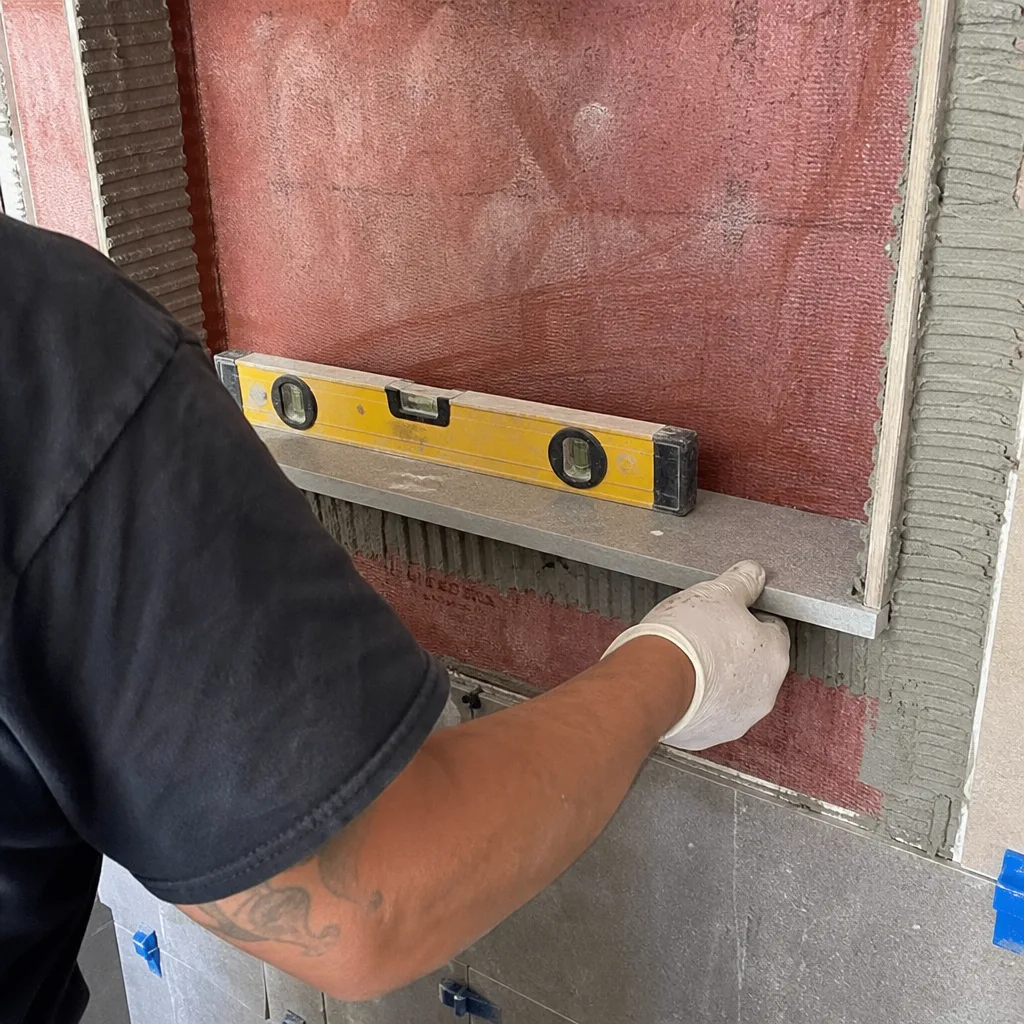
Day 3 – Tile installation: Wall tile is set starting from a level layout line. The floor tile or prefab base goes in. Depending on tile format and layout complexity, this can take one full day or extend into the next morning. Grout doesn’t go in the same day as tile on any job we run – the mortar needs to cure.
Day 4 – Grouting, fixtures, and door: Grout is applied and sealed. The showerhead, valve trim, and any niche shelving hardware are installed. The glass door or enclosure goes in last. A final photo record is taken and included in the project file the customer receives.
If a permit is required – most common when drain lines are relocated – add time for the inspection, which typically falls between Day 2 and Day 3. San Jose’s Building Division scheduling varies, but we factor permit timelines into the project plan from the start so you’re not waiting around uninformed.
San Jose-Specific Considerations Worth Knowing
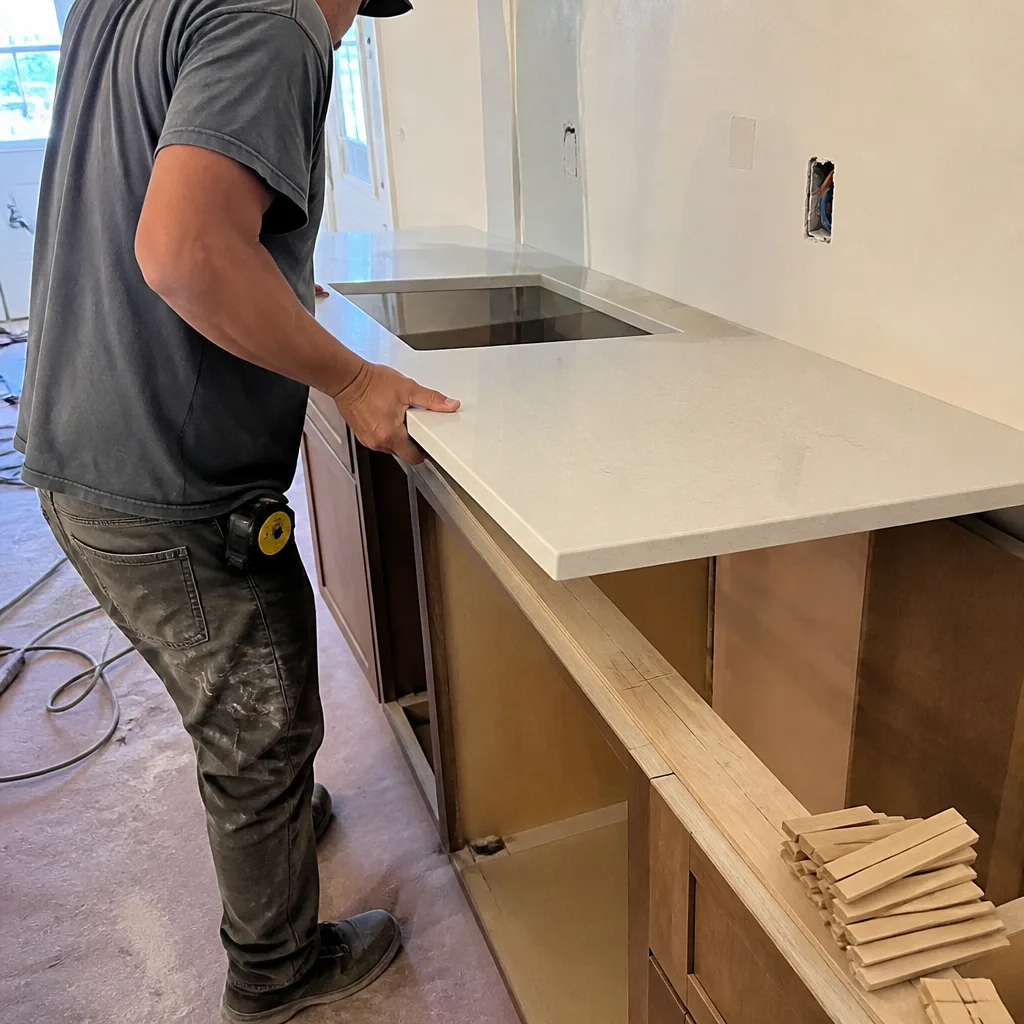
San Jose’s housing stock spans a wide range of eras and construction methods, and those differences affect what a tub-to-shower conversion actually involves beneath the surface.
Homes built in Almaden Valley and Silver Creek during the 1980s and 1990s typically have standard 2×4 framed alcoves with fiberglass tub surrounds – these are among the most straightforward conversions we do, usually landing in the $4,500 to $6,500 range. Older craftsman and bungalow homes in Naglee Park, The Alameda corridor, and historic Willow Glen often have cast iron tubs, original 1920s or 1930s subway tile surrounds, and plumbing configurations that don’t match any current standard – these jobs require more time in the assessment phase before we write a number.
San Jose also has a notable concentration of homes with slab-on-grade foundations (common in tracts built from the late 1940s through the 1970s). When a drain needs to move on a slab foundation, that means concrete cutting – a jackhammer, a licensed plumber, concrete patching, and a cure period. This is a real cost driver, and it’s one reason we scope every job in person before writing a price. A number written without seeing the floor structure isn’t a real number.
Water quality in San Jose is hard – Santa Clara Valley Water District water runs between 150 and 300 ppm total dissolved solids depending on the source blend at any given time. That means grout and fixture finishes benefit from a sealer applied at installation and maintained annually. Polished chrome shows hard water deposits faster than brushed nickel or matte black, which is worth considering when selecting fixture finishes.
FAQs – Tub-to-Shower Conversion Cost in San Jose
How much does a tub-to-shower conversion cost in San Jose in 2026?
A tub-to-shower conversion in San Jose costs $4,130 to $11,800 depending on the scope of plumbing work, the finish materials selected, and whether the existing tub is cast iron or a lighter acrylic surround. The midpoint for a standard alcove conversion with tile walls and a prefab base runs $6,000 to $7,500. Call (669) 271-8644 for a written quote on your specific bathroom – estimates are free and the price is flat before any work starts.
Do I need a permit for a tub-to-shower conversion in San Jose?
You need a permit from the City of San Jose Building Division when the conversion involves relocating supply lines or changing the drain rough-in location. Cosmetic swaps – replacing a tub surround with tile without moving any plumbing – typically don’t require a permit. Rowan files the permit application and coordinates the inspection when one is required; copies of all permit documentation go into your project file as part of the standard photo record.
How long does a tub-to-shower conversion take?
Most tub-to-shower conversions in San Jose take two to four days from demolition to final inspection. That timeline assumes no structural surprises (rot, slab issues, or hidden plumbing problems) and no permit inspection delay. Jobs involving drain relocation into a concrete slab add one to two days for concrete cutting, plumbing, and patch cure time. We give you a project schedule in writing before work starts – not an estimate of the estimate.
Is a tub-to-shower conversion worth it in San Jose’s housing market?
In San Jose’s current resale market, a walk-in shower in a master bath is consistently preferred by buyers over a tub that rarely gets used. Cost recovery on a tub-to-shower conversion is generally reported at 65% to 80% at resale, though that figure varies by neighborhood and buyer demographics. In family-oriented areas like Evergreen and Almaden Valley, keeping a tub in at least one bathroom has value if you’re thinking about resale. In master baths across most San Jose zip codes, the shower conversion is the right call for both usability and value.
Can Rowan do a tub-to-shower conversion the same week I call?
Our current scheduling in San Jose varies by season – spring and early summer run about two to three weeks out from signed contract to project start. If your project doesn’t require a permit (meaning no plumbing relocation), start dates can sometimes move faster. Call (669) 271-8644 and a live person will answer – they can give you a realistic start-date window the same day, along with a scheduled in-person assessment to write the flat price before anything else moves forward.
What’s the difference between a shower replacement and a tub-to-shower conversion?
A shower replacement starts with an existing shower – you’re swapping the pan, walls, fixtures, or enclosure without removing a tub or reconfiguring drain placement. Shower replacements in San Jose run $3,540 to $10,030. A tub-to-shower conversion starts with a tub and involves removing it, potentially relocating the drain, and building a shower from scratch within the same footprint. Because of the extra demo and plumbing work, conversions run slightly higher at $4,130 to $11,800. Both get a written price before any work starts.
Key Takeaways
- Tub-to-shower conversions in San Jose cost $4,130 to $11,800 in 2026, with a typical midpoint around $6,000 to $7,500 for an alcove setup.
- The biggest cost variables are drain relocation (especially on slab foundations), tub type being removed, and finish material choices – tile format and glass door style move the number more than almost anything else.
- Permits are required in San Jose when supply or drain lines are relocated; Rowan handles filing and inspection scheduling as part of the project.
- Older San Jose neighborhoods – Naglee Park, Willow Glen, The Alameda, Cambrian – often have cast iron tubs and older plumbing that requires an in-person look before an honest number can be written.
- Under the Haven Standard, no work starts without a written flat price and no change proceeds without a signed change order. The 365-Day Done Right Promise applies from the day the project closes.
- A Free Second Opinion on any written estimate is a standing offer – bring a competitor’s quote and we’ll review it line by line, no charge.
For a complete look at everything a tub-to-shower project involves, the home page outlines all seven trades Rowan handles under the same written-price, documented-record process.
Ready to see a number in writing before anyone touches your bathroom? Call (669) 271-8644 to schedule a free in-person assessment. Grant Rowan and the Rowan Construction Group team have been delivering flat-priced, documented bathroom projects in San Jose since 2007 – 4,000-plus jobs, every one of them with a written scope before the first tool came out.
Written by Grant Rowan, Owner at Rowan Construction Group San Jose, serving San Jose since 2007. Pricing reflects the San Jose, CA market as of 2026. Rowan Construction Group San Jose offers free estimates – call (669) 271-8644.
What Our Customers Say
"Good communication throughout. Weekly written update meant I never had to chase them."
- Nadine G."Talked us out of the larger scope we came in asking for, because it would not have added the value we thought."
- Emil R."Fence and retaining wall along a sloped boundary. They photographed the footing depth at each post, which mattered when the county inspector came."
- Iona F.