
Last updated September 24, 2026
Free written scope consultation - allowances, timeline, and change-order rules on paper before a single trade is scheduled
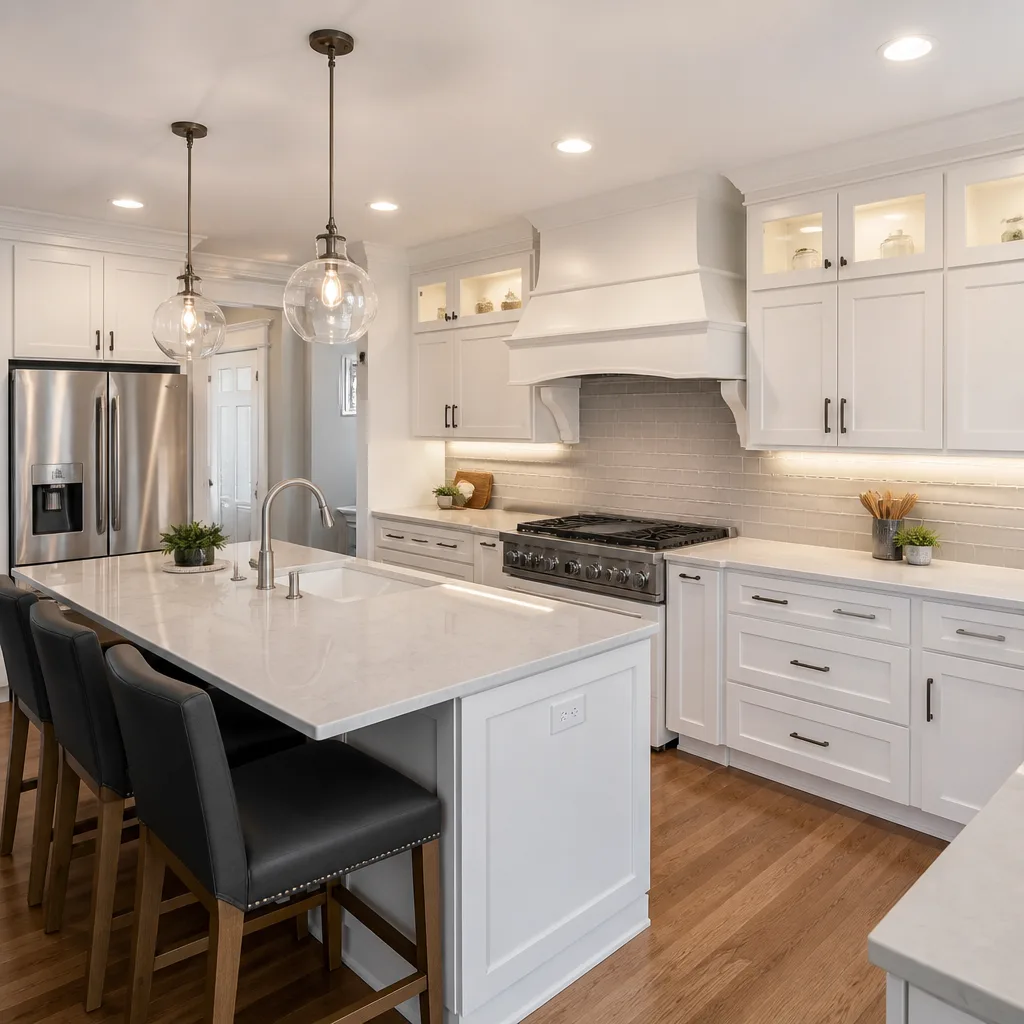
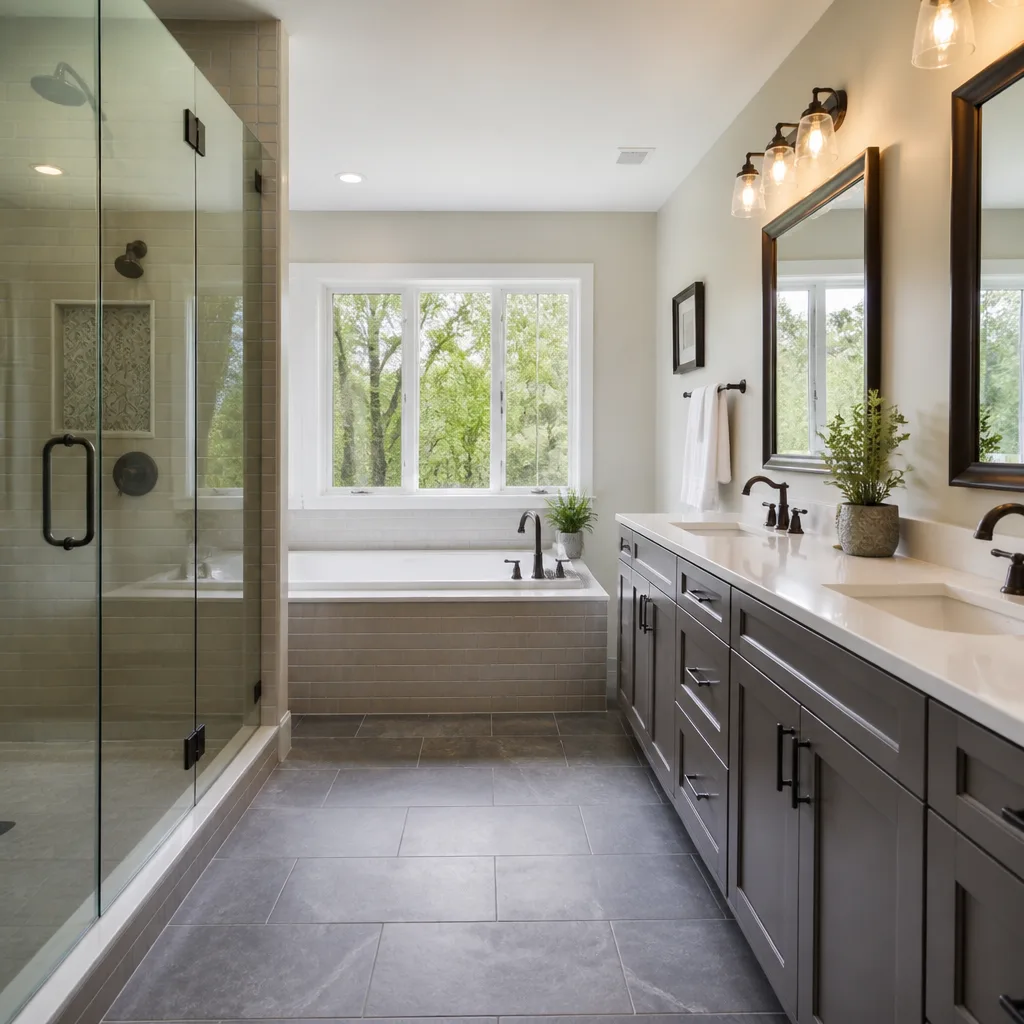


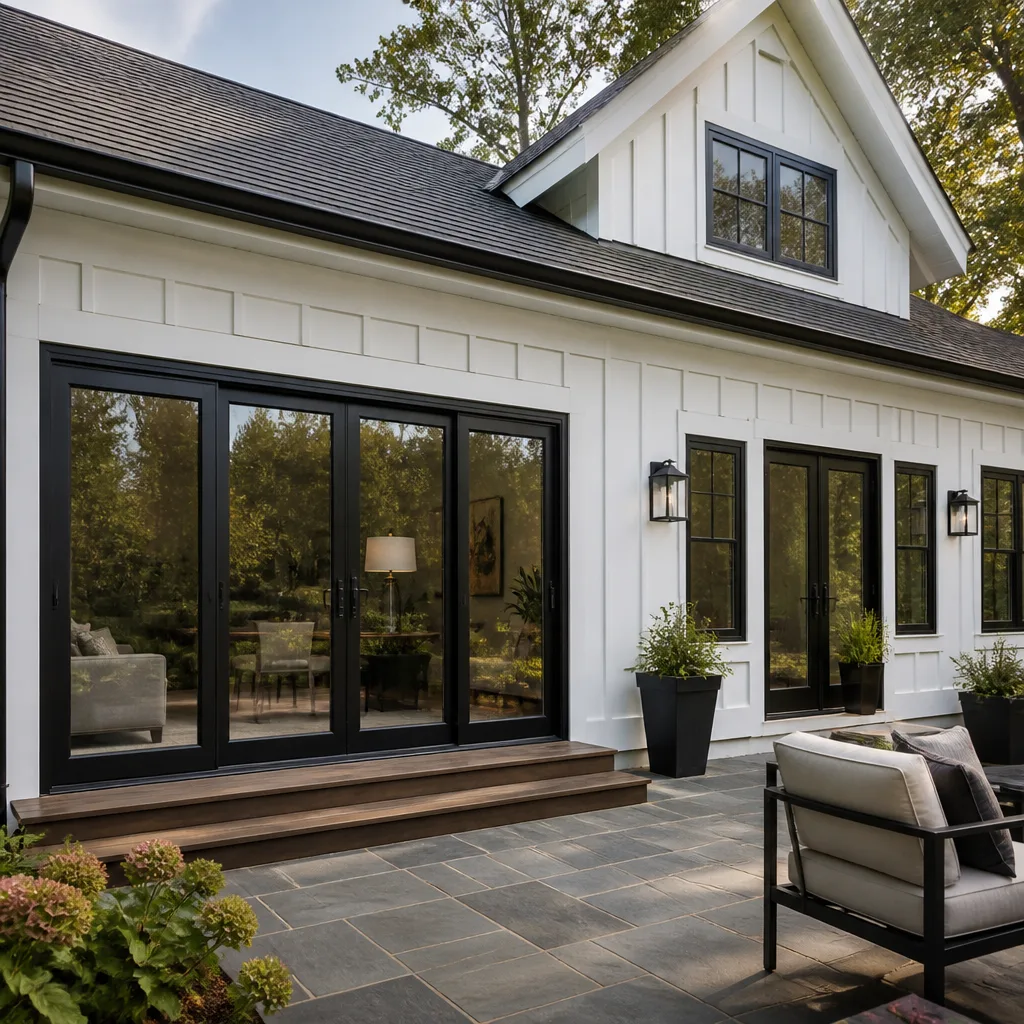
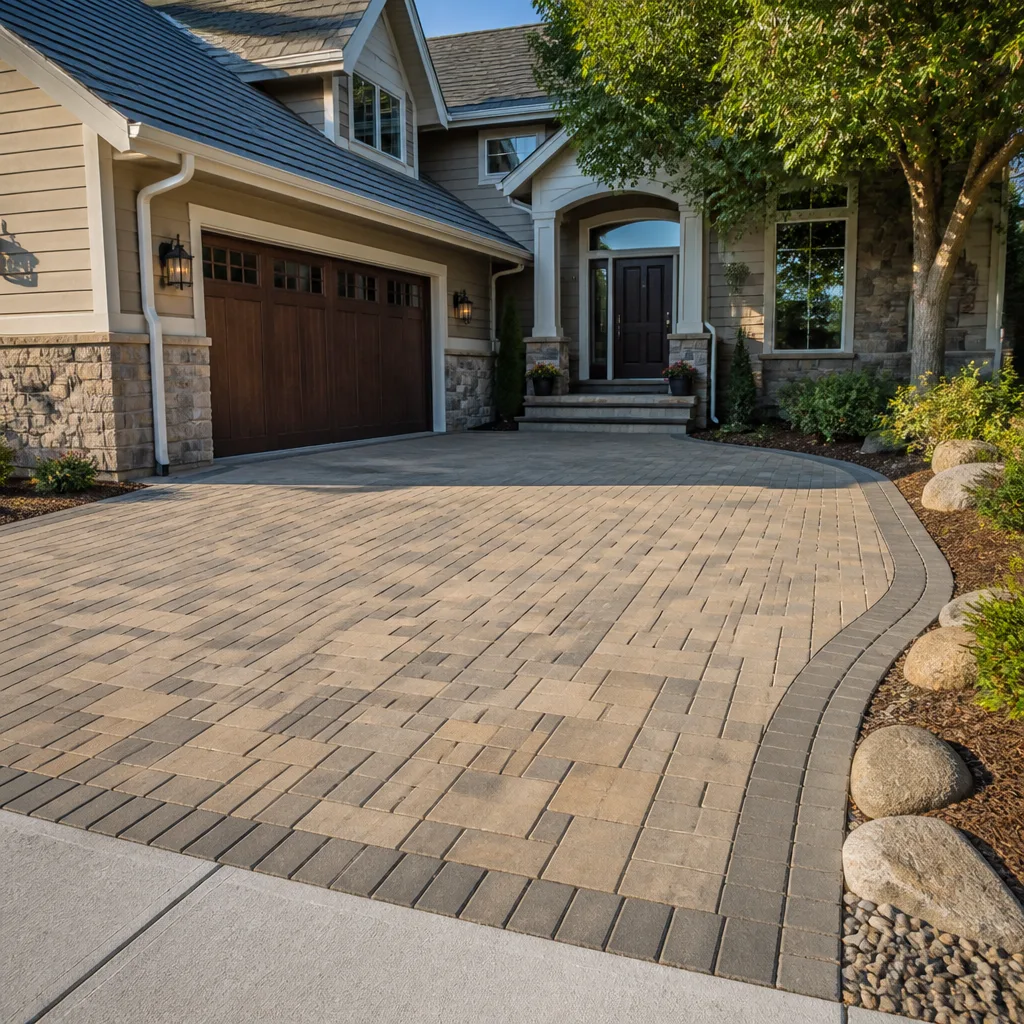

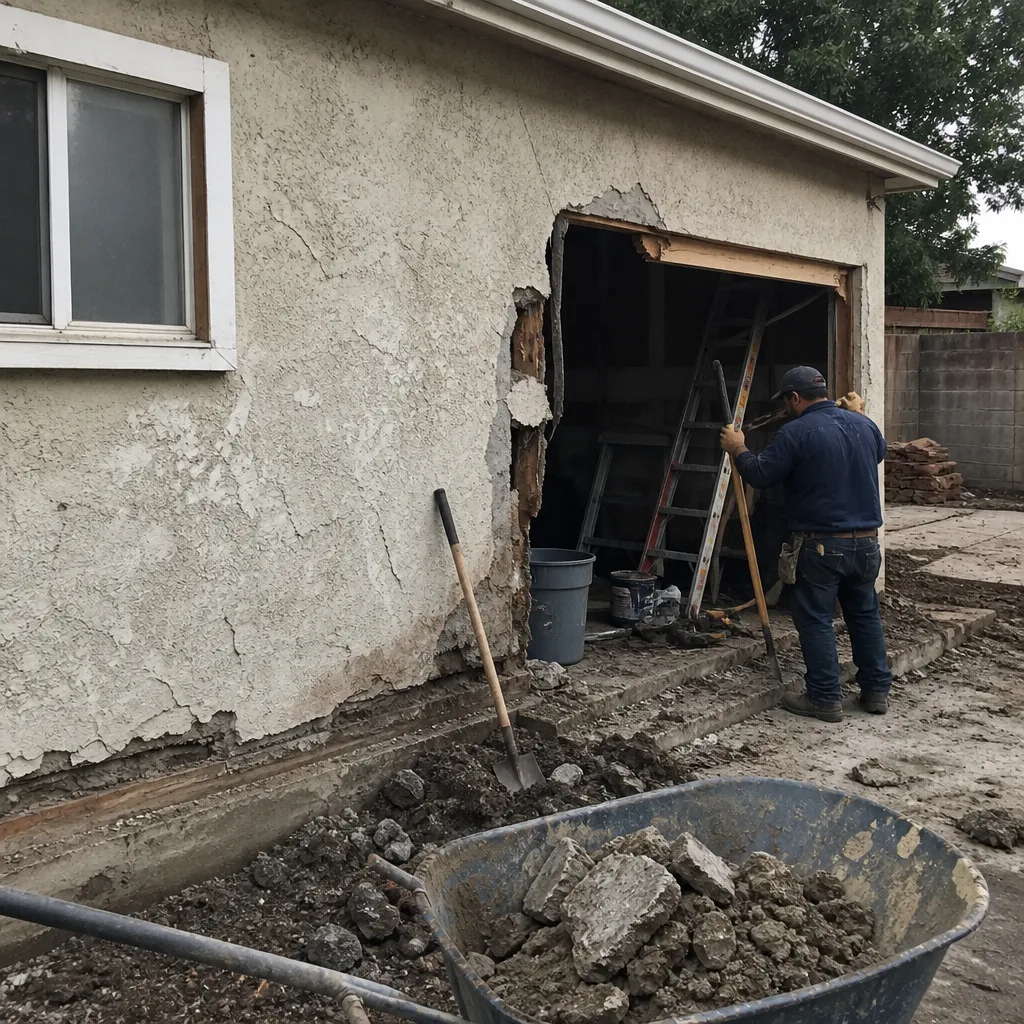 Before
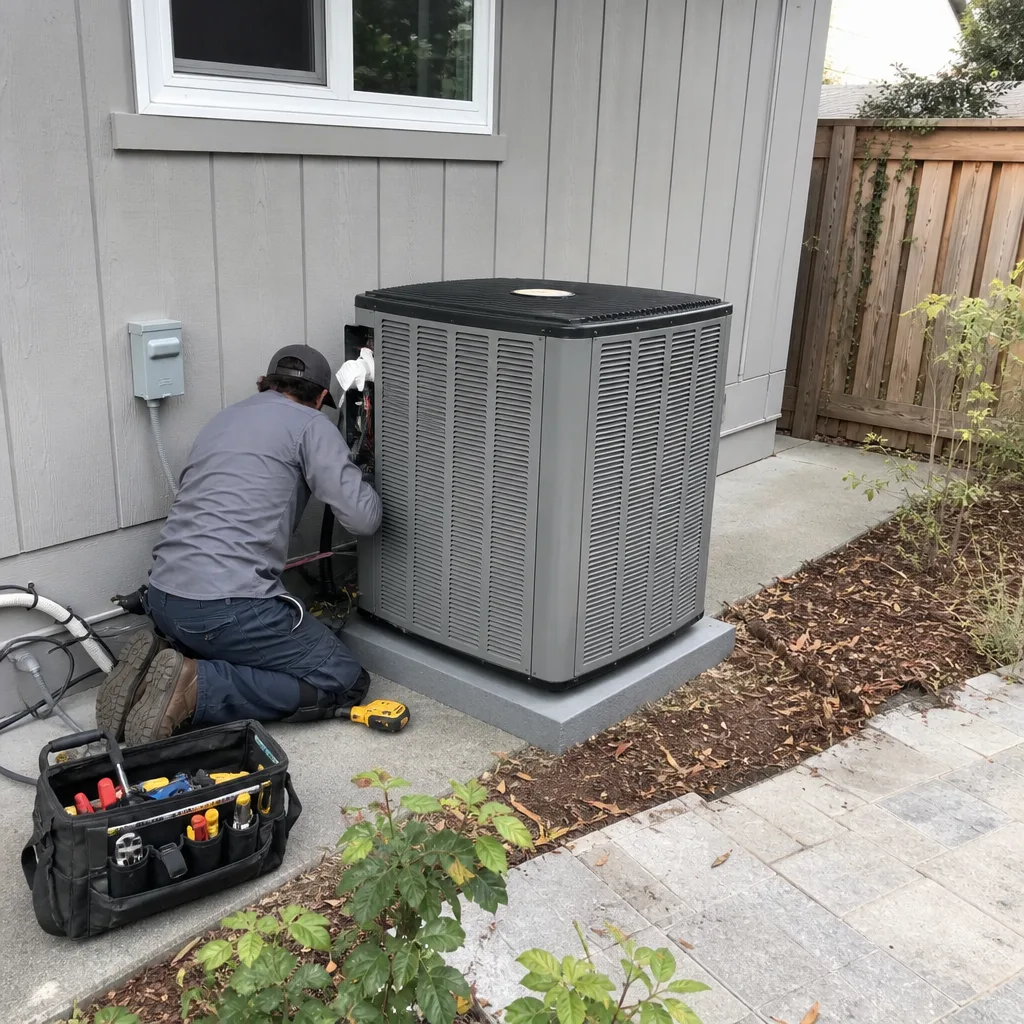 After
After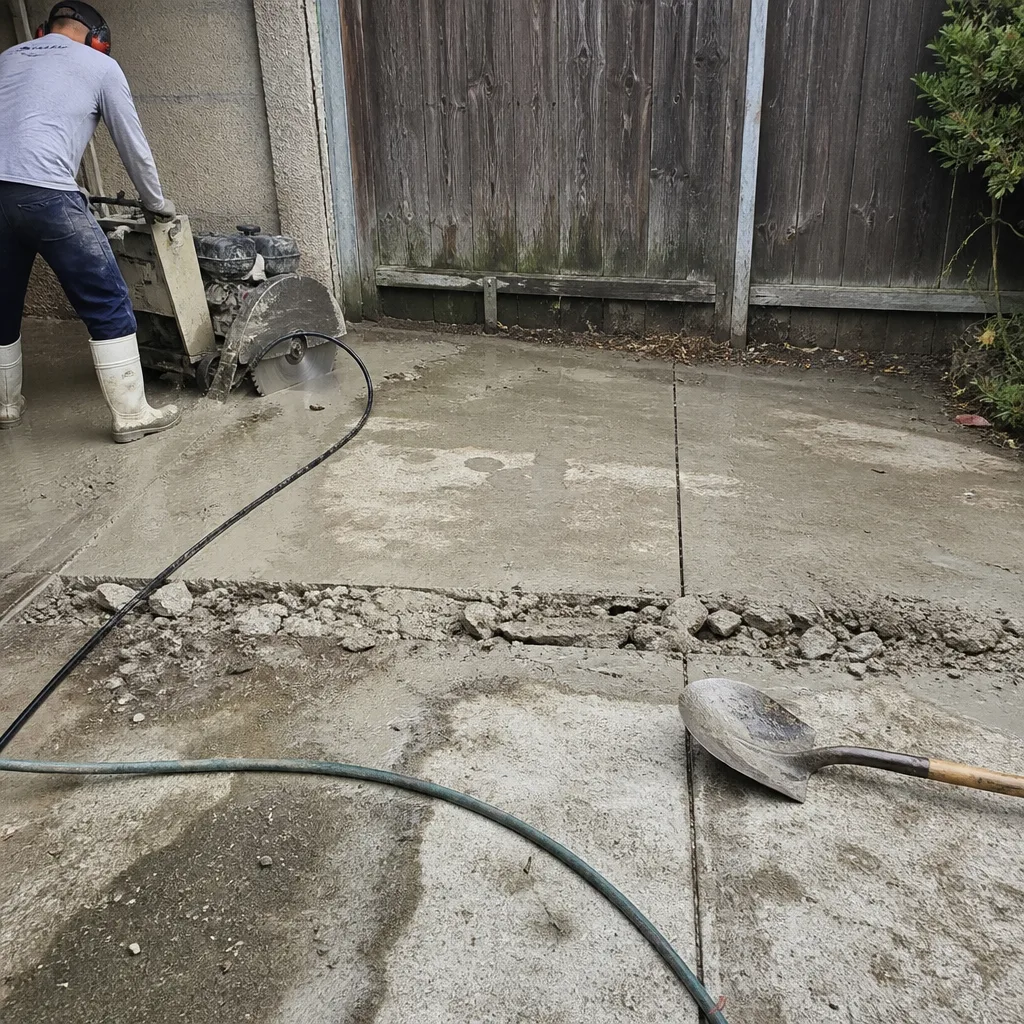 Before
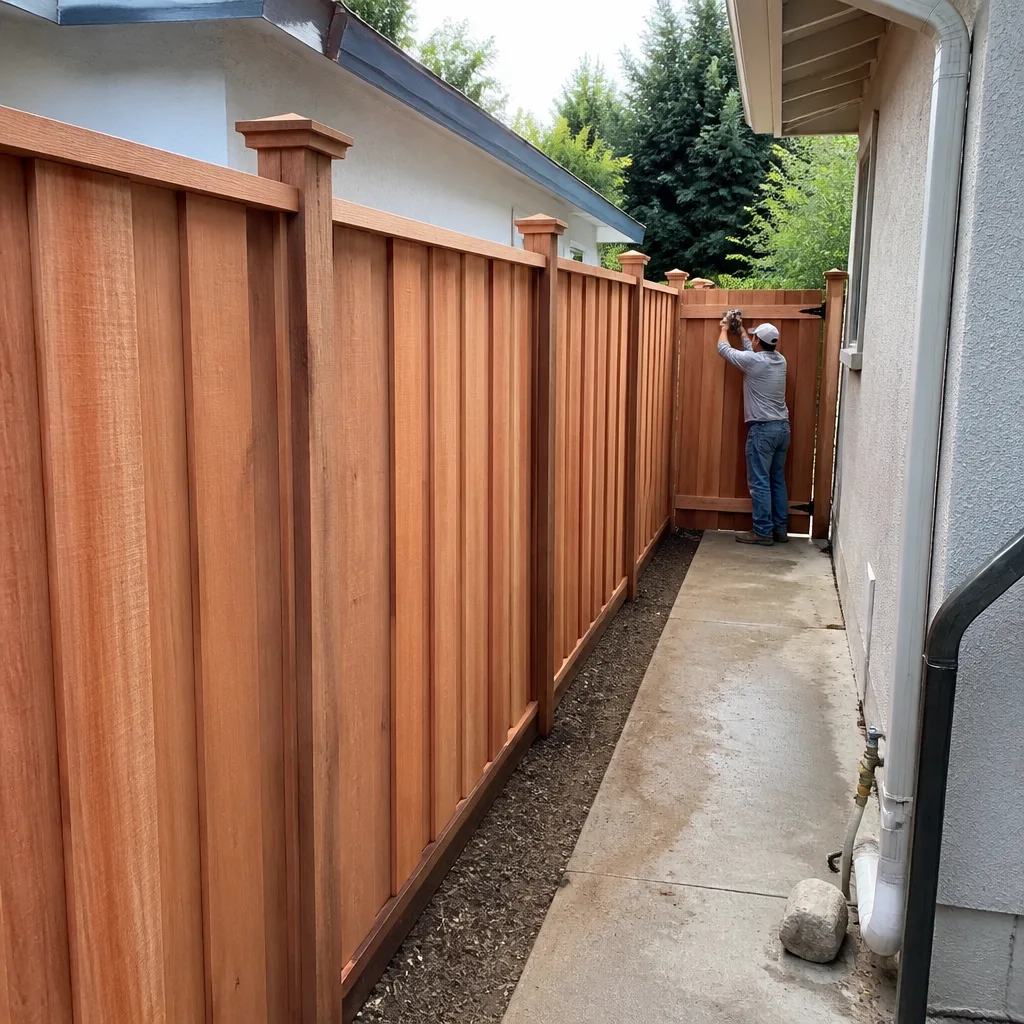 After
After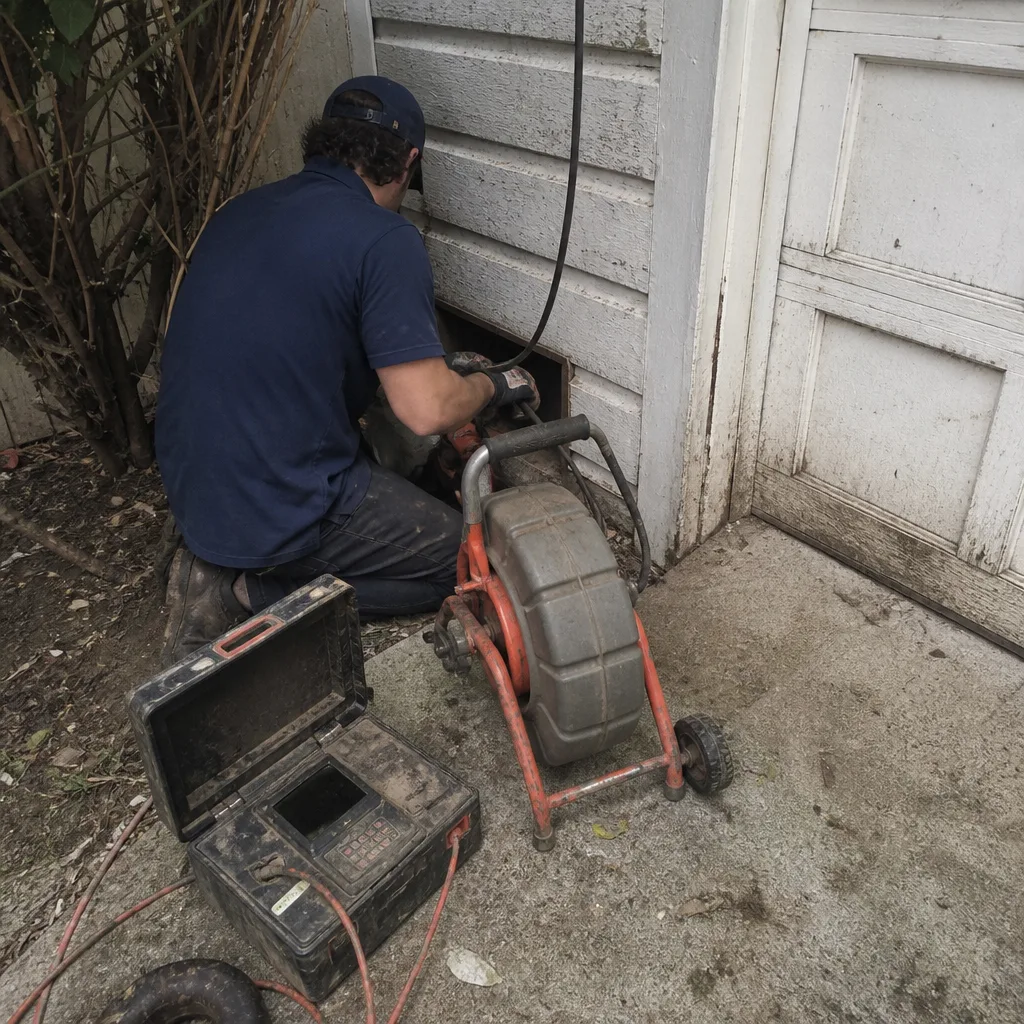 Before
 After
AfterHow to Hire a Construction Contractor in San Jose: A Step-by-Step Guide
In 2023, California’s Contractors State License Board received over 18,000 consumer complaints - the majority involved contractors who looked legitimate at the bid stage. The single document that would have filtered most of them out is a current CSLB license with the right classification letter. San Jose homeowners, who face some of the highest construction costs in the nation and some of the most complex seismic and energy code requirements, cannot afford to discover a licensing problem after the deposit clears. This guide walks through the paperwork sequence in the order it actually matters: verify first, compare second, contract third, and manage the build with documentation that protects your property and your money. For more guides & resources on navigating Bay Area construction, see our blog.
Quick Answer
Hiring a construction contractor in San Jose requires verifying an active CSLB license with the correct classification, requesting a certificate of insurance and workers’ compensation, comparing at least three written bids with line-item material allowances, signing a contract that includes start and end dates, milestone-based payments, and the three-day right-to-cancel notice, then collecting conditional lien waivers from the general contractor and every subcontractor before each payment. The entire verification sequence takes under two hours and costs nothing; skipping it has cost San Jose homeowners their entire project budget.
Table of Contents
- Step 1: Verify the CSLB License and Classification
- Step 2: Request Insurance and Workers’ Compensation Certificates
- Step 3: Compare Bids by Line Item, Not by Bottom Line
- Step 4: Read the Contract for Four Mandatory Legal Elements
- Step 5: Understand Lien Waivers and the Payment Sequence
- San Jose-Specific Red Flags to Watch For
- Managing the Project: Documentation and Change Orders
- Common Mistakes to Avoid
- When to Call a Professional
- Frequently Asked Questions
- The Bottom Line
 Before
 After
AfterStep 1: Verify the CSLB License and Classification
Every contractor doing work over $500 in California must hold a license from the Contractors State License Board. The license number should appear on every bid, business card, and contract page. But the number alone means almost nothing - the classification and status matter more.
Here’s how to verify a license in under three minutes. Navigate to license.cslb.ca.gov and enter the seven-digit license number. The resulting page shows four critical fields: license status (must read “Active”), classification, workers’ compensation insurance status, and bond history. Screenshot each page and save it with the contractor’s name.
The classification letter determines what the contractor is legally permitted to build. For residential work in San Jose, these are the classifications you’ll encounter:
- B-General Building Contractor: The most common classification for whole-home remodels, additions, and ADUs. A B contractor can supervise any trade but cannot perform a single trade as the sole scope without holding that specific classification or subcontracting to a specialist.
- C-36 Plumbing Contractor: Required for any project moving drain lines, water supply, or gas lines. A B contractor can subcontract this work but cannot personally perform it unless dual-licensed.
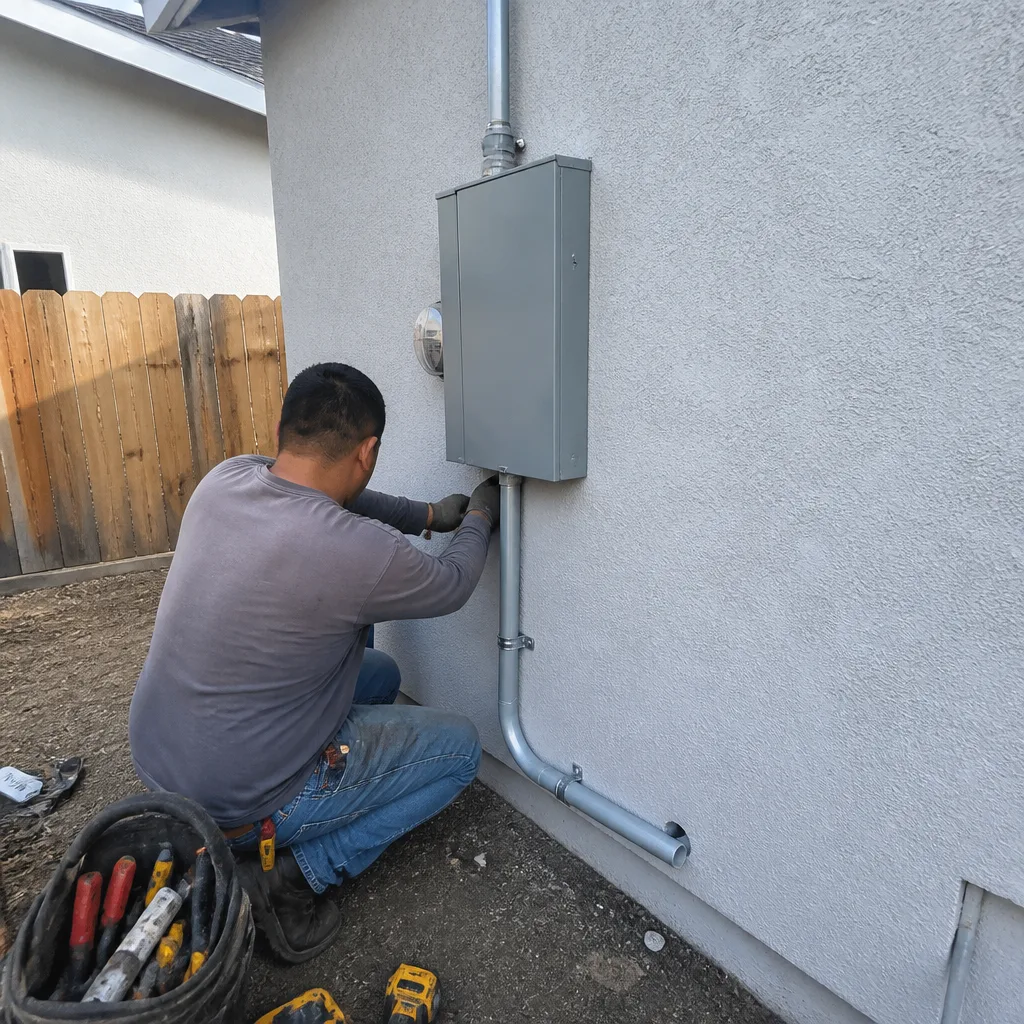
- C-10 Electrical Contractor: Required for panel upgrades, new circuits, and any work past the meter. San Jose’s older Willow Glen and Rose Garden homes often need service upgrades that trigger this requirement.
- C-8 Concrete Contractor: Required for foundation work, retaining walls over four feet, and structural flatwork. The clay-heavy soils in Almaden Valley and Evergreen make proper concrete specification critical.
- C-39 Roofing Contractor: Required for any project where the roof covering is removed or replaced. San Jose’s Title 24 energy code requirements for cool roofs mean the contractor must specify compliant materials.
- C-5 Framing and Rough Carpentry Contractor: Often relevant for room additions and ADU framing, especially in hillside areas of the foothills where engineered shear walls are required.
Check the license status date. A contractor who reactivated a license last month after two years inactive may have let insurance lapse or faced disciplinary action. Click the “Disciplinary Actions” link on the CSLB page and read any filings. A single complaint resolved in the contractor’s favor is normal; three or more open complaints, or any suspension in the past five years, is a stop signal.
Also verify that the license holder matches the business name on the bid. Some San Jose contractors operate under a DBA or corporate name different from the licensed individual. The CSLB page lists the “Licensee” name - if Maria Garcia holds license 1234567 but your bid comes from “Silicon Valley Elite Builders Inc.,” ask for the corporate officer list and verify Garcia’s role.
Step 2: Request Insurance and Workers’ Compensation Certificates
A valid CSLB license requires only a $25,000 bond, which covers theft or incomplete work but not injury or property damage. General liability insurance and workers’ compensation are where real protection lives, and many San Jose homeowners never request proof.
Ask for two documents: a certificate of general liability insurance naming you as “certificate holder” or “additional insured,” and a workers’ compensation certificate if the contractor has employees. The general liability policy should show minimum limits of $1 million per occurrence and $2 million aggregate for residential projects; larger additions or multi-trade jobs may warrant higher limits.
Here’s the specific language to use: “Please send me your current certificate of insurance with me listed as certificate holder, and your workers’ comp declaration page.” Email this request so you have a record. A contractor who responds with “we’re fully insured” without sending documents is not fully insured for your purposes.
Workers’ compensation is particularly important in California. If a worker is injured on your property and the contractor lacks coverage, your homeowner’s insurance may face a claim, and your policy may not cover it. Independent contractors without employees can file an exemption, but verify the exemption is current at the CSLB website. In our experience across 4,000-plus projects, the homeowners who faced post-project disputes were often those who accepted verbal assurances about coverage.
Check the policy expiration dates. A certificate valid for three more months on a six-month kitchen remodel is inadequate. See our Kitchen Remodeling Maintenance Checklist for San Jose Homeowners for related upkeep guidance. Request confirmation of renewal or a replacement certificate before expiration.
Step 3: Compare Bids by Line Item, Not by Bottom Line
San Jose construction bids for the same scope can vary by 40% or more. The spread rarely means one contractor is dishonest and the other is fair. More often, the bids describe different projects with the same summary name. Comparing by bottom line is how homeowners overpay for inferior work or underpay for a project that collapses in change orders.
Request every bid in the same format: line-item breakdown with quantities, unit prices, and material specifications. A bid that reads “Kitchen remodel: $85,000” cannot be compared to anything. A bid that reads “Demolition and haul-away: $4,200; Electrical panel upgrade to 200A with permit: $3,800; Custom cabinets, KraftMaid semi-custom line, painted shaker, 24 linear feet: $14,600” can be compared line by line.
Pay particular attention to the material allowance column. This is where most bid spreads hide. One contractor bids $4,000 for “tile allowance” while another bids $8,000 for the same line. The lower bid is not cheaper - it is incomplete. The homeowner will select tile that costs $6,500, and the difference becomes a change order, often with markup. At Rowan Construction Group, we specify the actual material or a fixed-price alternative in the written quote, because Clause 1 of the Haven Standard requires a written price before any work starts, every time.
Here’s a framework for line-item comparison:
- Separate labor from materials where possible. Labor rates in San Jose run $65-$120 per hour depending on trade and crew experience. A bid that buries labor in a single “installed” price prevents you from checking reasonableness.
- Verify that permit fees are included or explicitly excluded. San Jose permit fees for a kitchen remodel typically run $1,200-$2,800 depending on valuation; for a home addition, $3,500-$8,000 is common. A bid that omits permits is not comparable to one that includes them.
- Check the contingency percentage. A 10% contingency for unforeseen conditions is standard on older homes; 20% on homes built before 1970 where asbestos or lead may be encountered. A bid with no contingency is either naive or hiding costs elsewhere.
- Compare warranty terms. One-year workmanship is minimum; two years is better. The 365-Day Done Right Promise at Rowan extends to making it right if anything fails in that first year, backed by a terms page, not an asterisk.
Material brand specificity matters in San Jose’s climate. The Santa Clara Valley’s temperature swings, though moderate, stress exterior materials, and the salt air influence from the Bay affects metal components in western neighborhoods like West San Jose and Cambrian Park. A bid that specifies “roofing shingles” rather than “GAF Timberline HDZ with System Plus warranty” or “Owens Corning Duration with preferred contractor certification” is not comparable to one that names the product.
Our Free Second Opinion on Any Written Estimate exists because we’ve reviewed competitor quotes where a $12,000 spread between two bids dissolved into a $900 difference once allowances were normalized to actual material selections. Bring any written estimate to us and we’ll review it line by line at no charge.
Step 4: Read the Contract for Four Mandatory Legal Elements
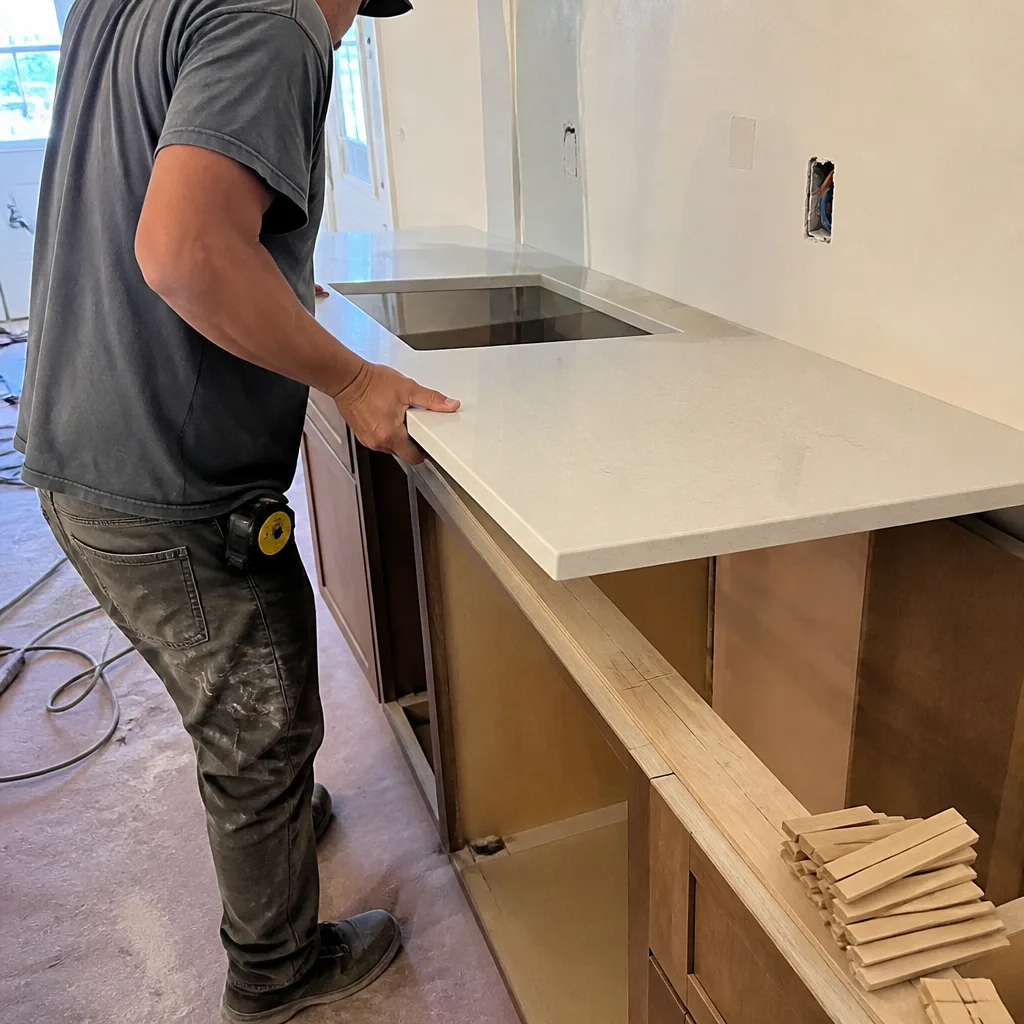
California Business and Professions Code Section 7159 sets the minimum contents of a home improvement contract. A contract missing any of these elements is unenforceable in your favor and may be unenforceable against you. The four elements most often omitted in San Jose are the ones that protect you most.
Written start and end dates. Not “spring 2025” or “approximately 10 weeks.” Specific calendar dates, with language defining what constitutes excusable delay (permit delays, weather, change orders). San Jose’s rainy season runs November through April; a contract signed in October with a January start date should address weather delay protocols. For broader timing considerations, see our Seasonal Construction Care for San Jose: Year-Round Homeowner’s Guide.
Payment schedule tied to milestones, not calendar dates. Illegal in California: any contract requiring more than 10% or $1,000 (whichever is less) as a deposit, or any final payment before “substantial completion” as defined by Civil Code. Legal and protective: 10% deposit, 25% at rough inspection, 25% at final inspection, 35% at substantial completion, 5% retention for 30 days. A contractor who demands 50% upfront is either undercapitalized or planning to disappear.
The three-day right-to-cancel notice. Every California home improvement contract must include a Notice of Cancellation form allowing the homeowner to rescind within three business days of signing. The notice must include the contractor’s address for cancellation and a duplicate form for your records. Missing this notice voids the contract’s enforceability and may trigger statutory penalties.
Notice of mechanic’s lien rights. The contract must inform you that subcontractors and suppliers can file liens against your property if not paid by the general contractor. This notice, combined with your lien waiver discipline in Step 5, is your protection against paying twice for the same work.
Beyond the legal minimums, a protective contract should include: a detailed scope of work referencing the bid line items; a change order procedure requiring written authorization before any cost increase; a procedure for handling unforeseen conditions with cost caps; and a dispute resolution clause specifying mediation before litigation. At Rowan Construction Group, no work proceeds on a change until the change order is signed - the administrative discipline Haven acquired Rowan for, and the reason our projects finish within a few percent of the number the customer agreed to.
Never sign a contract with blank spaces. A contractor who says “we’ll fill in the permit number later” can fill in any number later, including prices. Initial every page, keep the original, and ensure the contractor’s license number appears on the contract face.
Step 5: Understand Lien Waivers and the Payment Sequence
California mechanic’s lien law allows anyone who supplies labor or materials to your project to file a lien against your property if they are not paid. This includes subcontractors you never met and suppliers whose names you never learned. The lien can force sale of your home to satisfy a debt you already paid to a general contractor who failed to pay them. Lien waivers are your only protection, and they are not automatic.
There are four types of lien waiver in California, governed by Civil Code Section 8132-8138. For homeowners, two matter most:
- Conditional lien waiver upon progress payment: The subcontractor or supplier signs this before you pay, stating they will waive lien rights once your check clears. Use this before every progress payment. It protects you because the waiver is invalid if the check bounces or the general contractor pockets it.
- Unconditional lien waiver upon final payment: The subcontractor or supplier signs this after payment is received, permanently releasing lien rights. Use this only after verifying the payment cleared, not before.
Never accept an unconditional waiver before payment. Some San Jose contractors present these for signature with the request for payment, which exposes you to paying twice if the contractor fails to forward funds.
The payment sequence should work like this:
- Request a conditional lien waiver from the general contractor and from every named subcontractor and supplier, for the amount of the upcoming payment.
- Verify the amounts match your contract schedule. A waiver for $8,000 when your contract specifies $6,500 for that milestone is a stop signal.
- Make payment by check or traceable transfer. Cash is untraceable and unrecoverable.
- Within 10 days, request unconditional waivers from the same parties, confirming payment received.
- File all waivers with your project records. If a lien is filed later, the waiver is your defense.
For a typical kitchen remodel in San Jose with electrical, plumbing, and cabinetry subcontractors, this means collecting 12-16 waiver documents over the project life. The administrative burden is real; the alternative is a $40,000 lien on a $300,000 home. We include lien waiver coordination in our standard project management, with copies delivered to the homeowner at each milestone.
Preliminary 20-day notices are another critical document. Any subcontractor or supplier who is not in direct contract with you must serve a preliminary notice within 20 days of first furnishing labor or materials to preserve lien rights. If you receive these, it means the general contractor has engaged that party - keep the notice and match it to your waiver collection. No preliminary notice from a party who later claims a lien may invalidate that claim.
San Jose-Specific Red Flags to Watch For
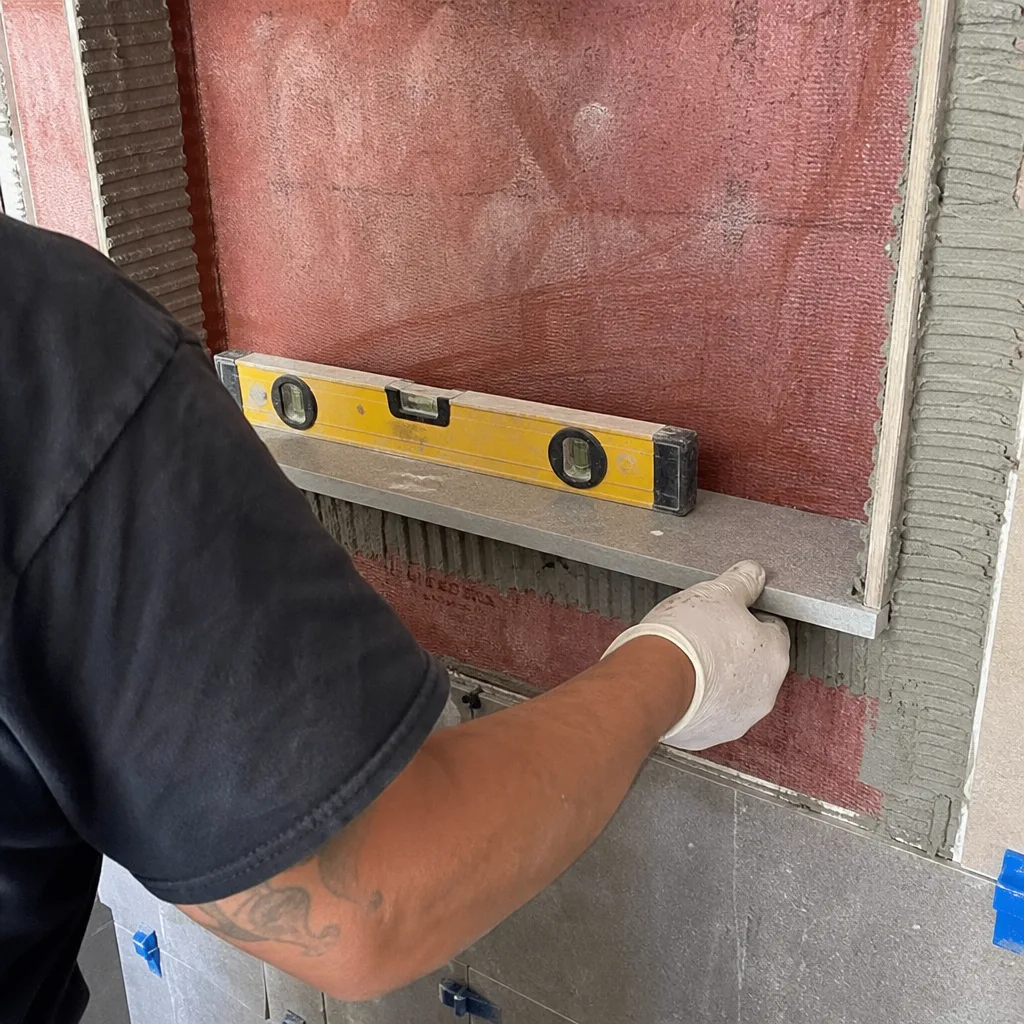
San Jose’s construction market has characteristics that create specific risks. These red flags appear repeatedly in CSLB complaints and small claims filings from Santa Clara County homeowners. For a comprehensive overview of the local building landscape, read The Complete Guide to Construction in San Jose.
Permits pulled in the homeowner’s name. In San Jose, the permit holder is legally responsible for code compliance. A contractor who asks you to pull the permit is transferring liability to you while controlling the work. This is common with unlicensed operators and with contractors whose license status is problematic. The correct permit holder is the licensed contractor performing the work. Verify at the City of San Jose Planning and Building Department that the permit lists the contractor’s license number, not yours.
Bids that omit seismic upgrade requirements. Santa Clara County’s location on the Hayward Fault and San Andreas Fault means seismic provisions appear in most structural work. A room addition, ADU, or significant remodel in San Jose will likely require engineered shear walls, hold-downs, or foundation bolts under the current California Building Code. A bid that omits these items is either uninformed or deliberately low. The cost of retrofitting after inspection failure typically exceeds the original bid increment by 200%.
“Pass-through” subcontracting without disclosure. Some San Jose contractors bid as general contractors but function as brokers, marking up subcontractor bids without adding project management value. The homeowner pays 15-25% overhead for scheduling and quality control that never occurs. A legitimate general contractor has direct employment or long-term subcontractor relationships, conducts site supervision, and provides the documented photo record that proves management occurred. Ask how many hours per week the contractor’s employee will be on site, and get it in writing.
Pressure to sign immediately. California’s three-day right-to-cancel exists because high-pressure sales tactics predict poor outcomes. A contractor who offers a “today only” discount of 10% or more is violating the spirit of the law and likely the letter. At Rowan, we provide written quotes with a 30-day price hold - no pressure, because the price is based on actual material costs and labor rates, not sales psychology.
Vague material specifications on energy-code-dependent work. San Jose enforces Title 24 energy standards strictly. Windows must meet specific U-factor and SHGC ratings; insulation must meet R-value requirements; cool roof materials must have certified reflectance values. A bid that specifies “energy-efficient windows” without NFRC ratings, or “insulation to code” without R-value and installation grade, cannot be verified against Title 24 compliance. The homeowner bears the cost of re-doing failed inspection work.
No physical business address. A PO box or residential address for a contractor claiming to serve San Jose is not automatically disqualifying, but it requires verification. Licensed contractors must maintain a business address with the CSLB; cross-check the address against the license record and verify it exists on satellite view. Contractors who operate from pickup trucks can disappear with deposits more easily than those with leased shop space and equipment inventory.
Managing the Project: Documentation and Change Orders
Hiring well is half the protection; managing with documentation is the other half. The most common post-project dispute in San Jose is not fraud but disagreement about what was agreed to, what was found, and what was done.
Establish a documentation routine before work starts. This means: a dedicated email thread or project management app; photo documentation of existing conditions before demolition; and a log of all site visits with date, personnel present, and work observed. At Rowan Construction Group, every visit includes a documented photo record as a standard deliverable, not an add-on. The customer leaves with evidence of what was found and what was done, stored in a shared folder they can access at any time.
Change orders are where project costs diverge from bids. California law requires written change orders for any cost increase over $500 or any change to the scope, schedule, or materials. The change order must describe the change, state the cost, and be signed by both parties before work proceeds. Our discipline - no work proceeds on a change until the change order is signed - has kept our projects within a few percent of the agreed cost across 4,000-plus jobs. Contractors who perform work “while we figure out the paperwork” create unenforceable debts and scope disputes.
For San Jose’s older housing stock, particularly in neighborhoods like Naglee Park, Hanchett Park, and the Alameda where homes date to the 1920s-1950s, unforeseen conditions are likely. Original knob-and-tube wiring buried in lath-and-plaster walls, non-compliant sewer lines, and undocumented prior additions all appear regularly. A contract with a defined unforeseen conditions procedure - notification within 24 hours, cost estimate within 48 hours, homeowner approval required before proceeding - prevents these discoveries from becoming budget disasters.
Final inspection and completion documentation should include: the signed final inspection approval from the City of San Jose; the final unconditional lien waivers from all parties; the manufacturer’s warranty registrations for appliances, fixtures, and materials; and the contractor’s written workmanship warranty. Store these with your home records; they transfer with the property and protect resale value.
Common Mistakes to Avoid
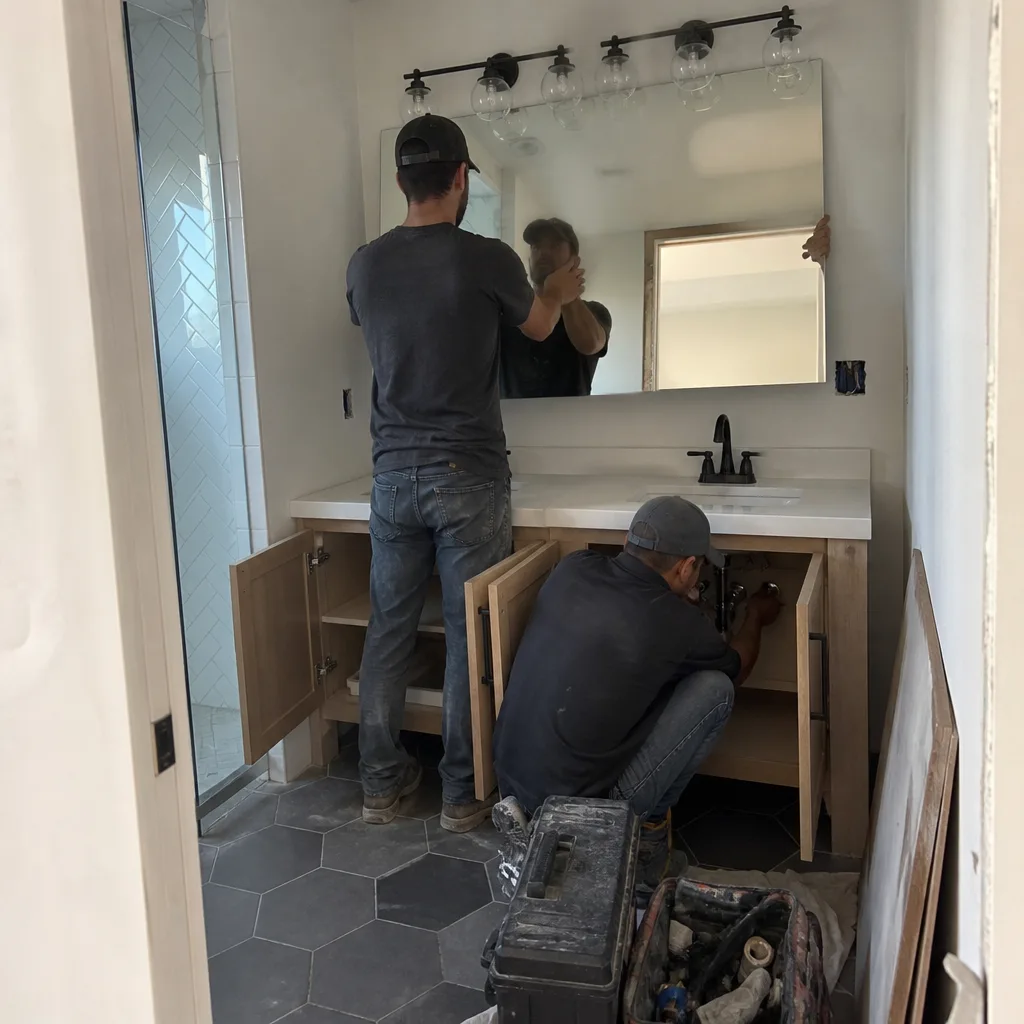
- Verifying the license number but not the classification. A C-36 plumber cannot legally frame your addition; a B general contractor cannot personally install your electrical panel. The classification must match the work.
- Accepting a “verbal estimate” as a basis for comparison. Verbal estimates are not estimates; they are conversation starters with no legal standing. Insist on written, line-item, signed bids for any comparison.
- Paying the final retention before receiving unconditional final lien waivers. The 5-10% retention is your leverage for waiver collection. Release it only after all waivers are in hand and inspections are passed.
- Ignoring preliminary 20-day notices from unknown parties. These notices are early warning systems. A notice from a lumber supplier you’ve never heard of means your general contractor has engaged them and may not have paid them. Track every notice against your payment log.
- Signing contracts with open-ended “time and materials” provisions. T&M contracts transfer all cost risk to you. Fixed-price contracts with defined change order procedures are the only structure that aligns contractor incentives with cost control.
- Failing to verify that Santa Clara County seismic requirements are included in structural bids. The cost of adding shear walls after framing is complete typically exceeds $15,000 in San Jose. Include it in the original scope or verify it’s not required.
- Choosing the lowest bid without normalizing allowances. A $78,000 bid with $18,000 in open allowances becomes a $91,000 project; an $85,000 bid with fixed material specs is cheaper in reality. Compare on normalized terms or don’t compare at all.
When to Call a Professional
Some project signals indicate that self-managed contractor hiring is not advisable. Complex multi-trade projects like whole-home renovations, second-story additions, or ADUs require sequencing expertise that develops over years of project management. Structural work in hillside areas of the Diablo Range foothills, where geotechnical reports and engineered retaining walls are standard, demands contractor relationships with specialized engineers. Historic home work in San Jose’s designated historic districts requires familiarity with the Historic Landmarks Commission’s design review process, which adds 6-12 weeks to permitting.
If you’ve received multiple bids that vary by more than 30% and cannot reconcile the differences through line-item comparison, a professional review prevents costly selection errors. Rowan Construction Group San Jose offers free estimates in San Jose, and our Free Second Opinion on Any Written Estimate provides line-by-line analysis of competitor quotes at no charge. Call (669) 271-8644 to schedule. Our crews are background-checked and uniformed; a live person answers calls 24/7; and every visit includes the documented photo record that lets you verify our findings independently.
Frequently Asked Questions
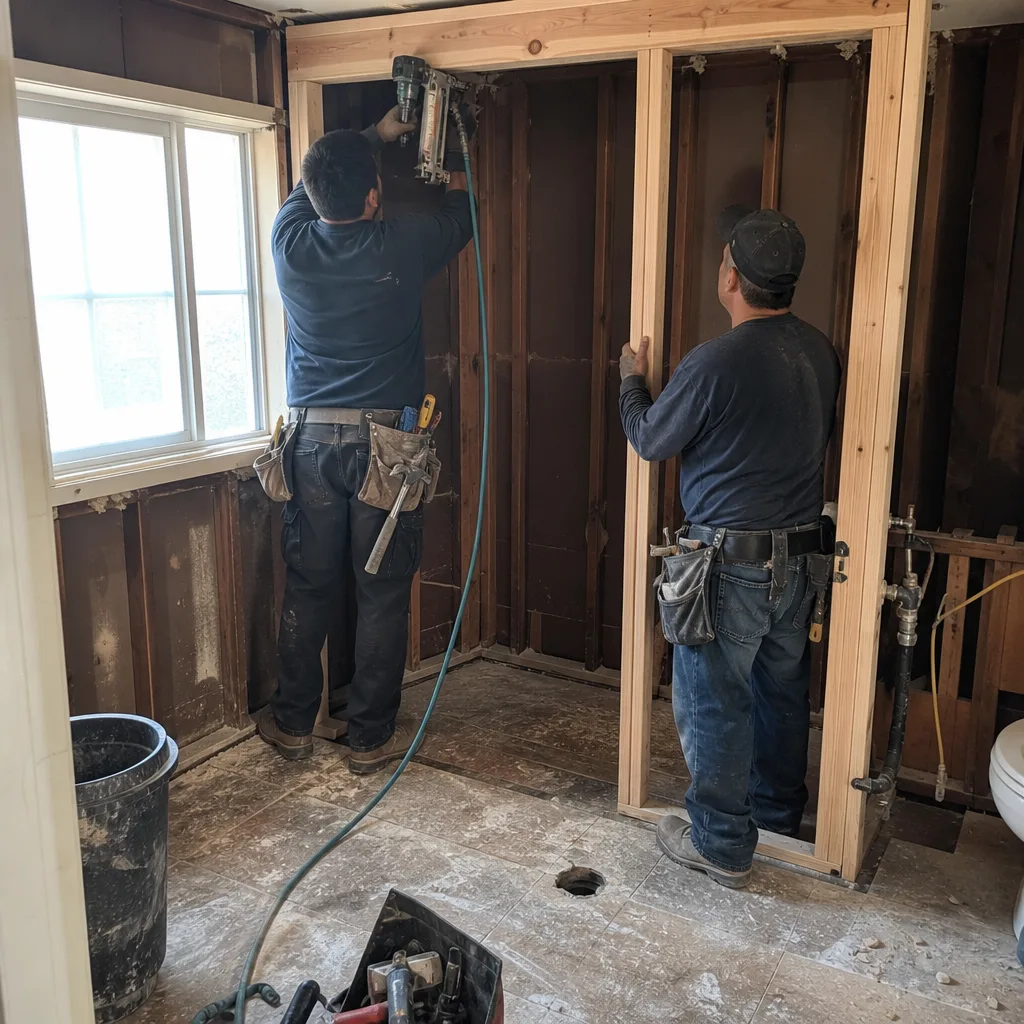
General contractor fees in San Jose typically run 15-25% of total project cost for new construction and 20-30% for renovations, with total project costs ranging from $85,000 for a mid-range kitchen remodel to $350,000-plus for a 500-square-foot ADU with full utilities. These figures reflect Santa Clara County’s labor rates, which are among California’s highest, and the complexity of local seismic and energy codes. Call (669) 271-8644 for an exact quote on your specific scope - estimates are free.
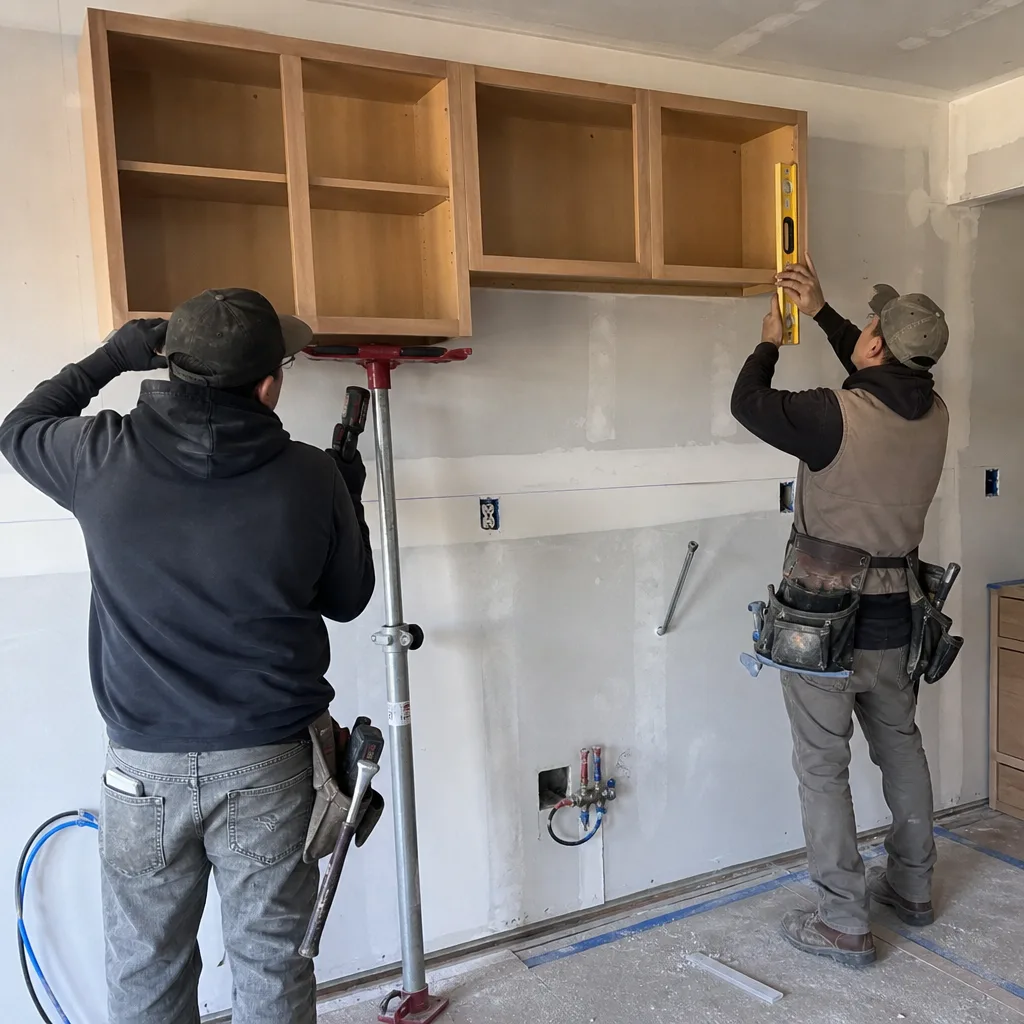
A kitchen remodel in San Jose requires a B-General Building Contractor license for the overall project, with C-36 Plumbing and C-10 Electrical subcontractors or dual-licensed personnel for any plumbing or electrical work. If the project includes structural wall removal, the B contractor must engage a structural engineer and may need a C-5 Framing contractor for permitted structural modifications. Verify all license classifications at license.cslb.ca.gov before signing.
Request a permit line item with specific scope: “San Jose building permit, plumbing permit, electrical permit, and final inspection fees.” For a kitchen remodel, permit costs typically total $1,200-$2,800; for a home addition, $3,500-$8,000. A bid without permit fees listed is incomplete. After work begins, verify permit status at the City of San Jose’s online permit portal using the address or permit number.
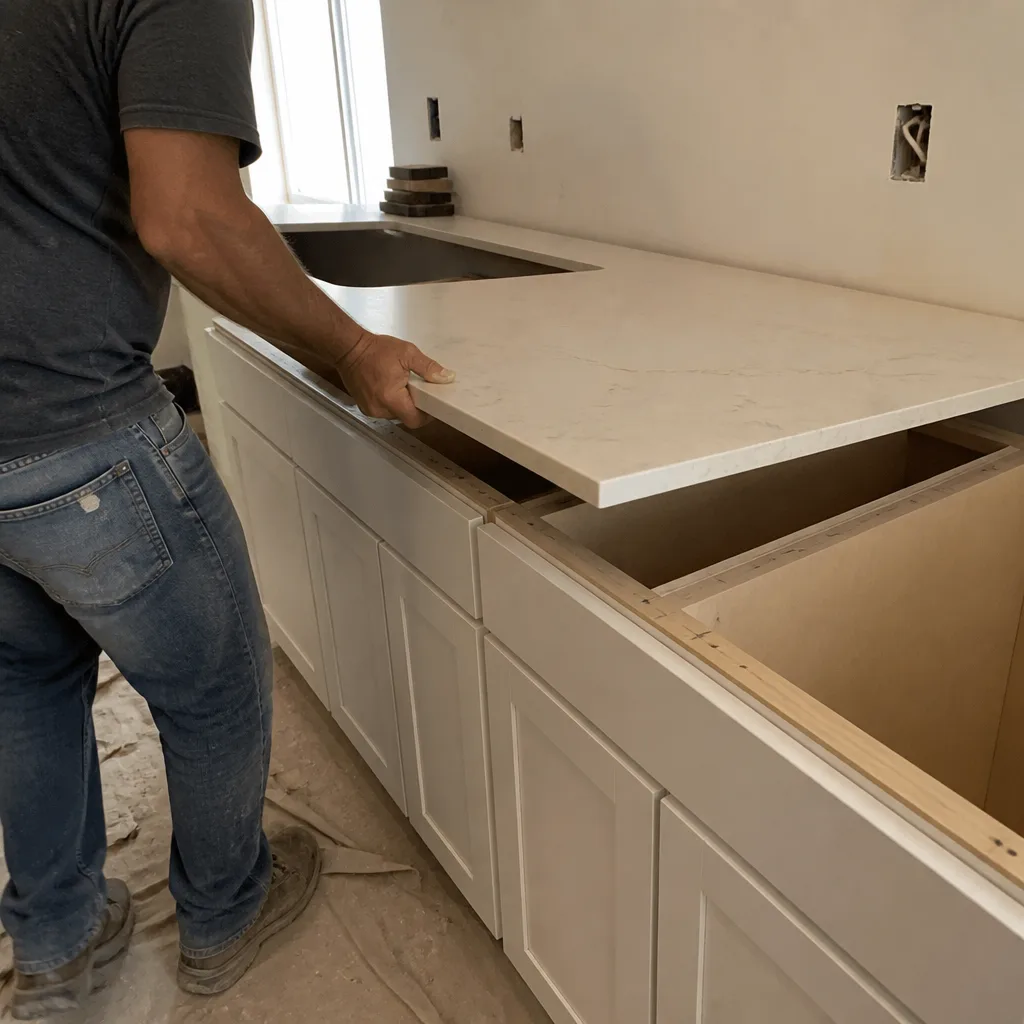
A materials allowance is a budget placeholder - the contractor estimates $4,000 for tile, you select $6,500 tile, and the $2,500 difference becomes a change order with markup. A fixed-price spec names the exact product and price: “Cambria Brittanicca Warm quartz countertop, 45 square feet, fabricated and installed, $8,400.” Fixed-price specs eliminate surprise costs; allowances require careful tracking. At Rowan, we use fixed-price specs or defined upgrade paths with known price differentials, so the written quote reflects actual project cost.
While not strictly illegal, a contractor asking a homeowner to pull permits in San Jose is transferring legal responsibility for code compliance to the party least equipped to manage it. The permit holder is liable for violations, corrections, and reinspection costs. A licensed contractor should pull permits in their own name and license number. This arrangement also confirms the contractor’s license is active and in good standing with the city.
California law provides three business days to cancel any home improvement contract, starting from the later of the signing date or the date you received the required Notice of Cancellation form. The cancellation must be in writing, mailed or delivered to the contractor’s address as shown in the notice. A contract missing this notice is voidable, and the contractor may face statutory penalties. Keep your copy of the signed notice with your project records.
The Bottom Line
Hiring a construction contractor in San Jose is a document-verification exercise that happens to involve construction. The CSLB license, insurance certificates, line-item bids, compliant contract, and lien waiver discipline protect more than reference calls or portfolio photos ever could. The homeowners who fare best are those who treat the paperwork as seriously as the design, who compare bids on normalized terms, and who manage payments through a structured waiver process. The cost of this diligence is measured in hours; the cost of skipping it is measured in tens of thousands of dollars and months of dispute. Rowan Construction Group has operated under these principles since 2007, across 4,000-plus projects, with a documented record of finishing within a few percent of the written price the customer agreed to. The Haven Standard requires nothing less.
Written by Grant Rowan, Owner at Rowan Construction Group San Jose, serving San Jose since 2007.