
Last updated September 24, 2026
Free written scope consultation - allowances, timeline, and change-order rules on paper before a single trade is scheduled
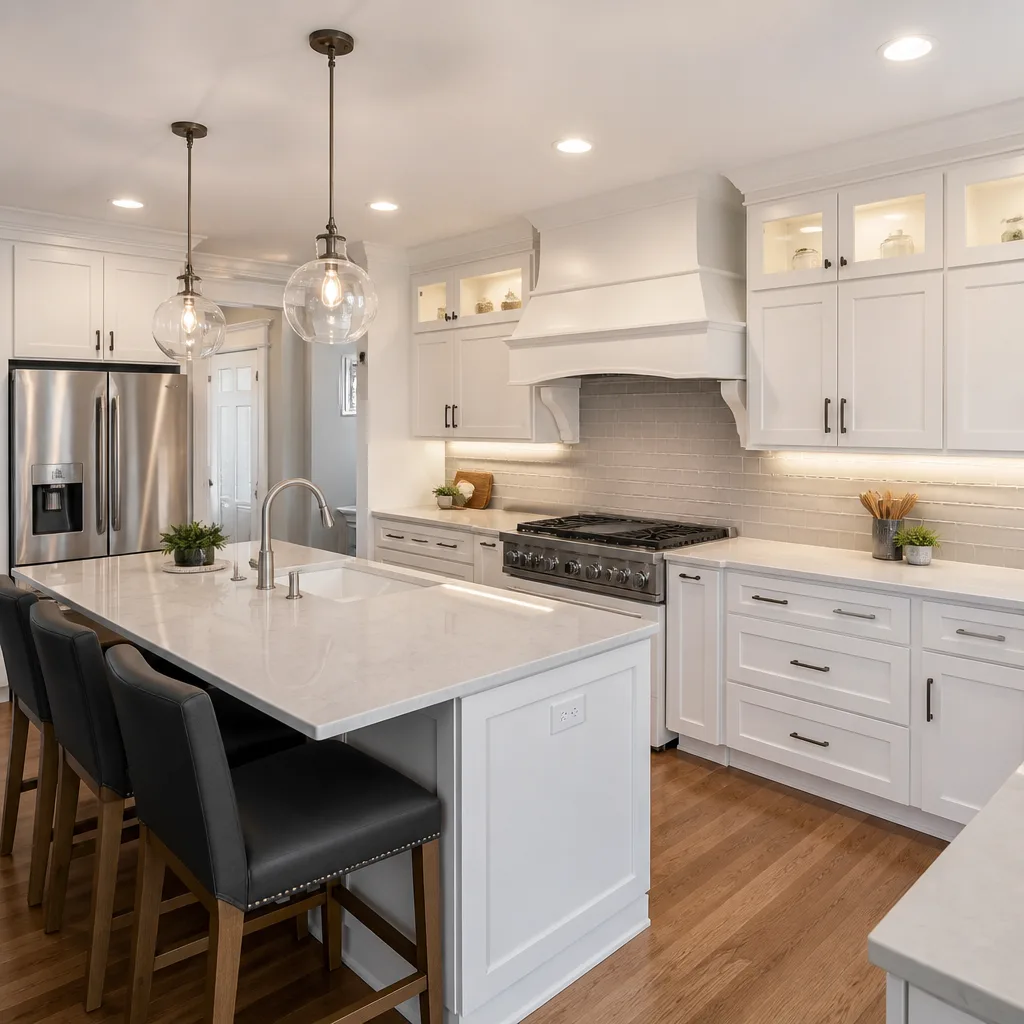
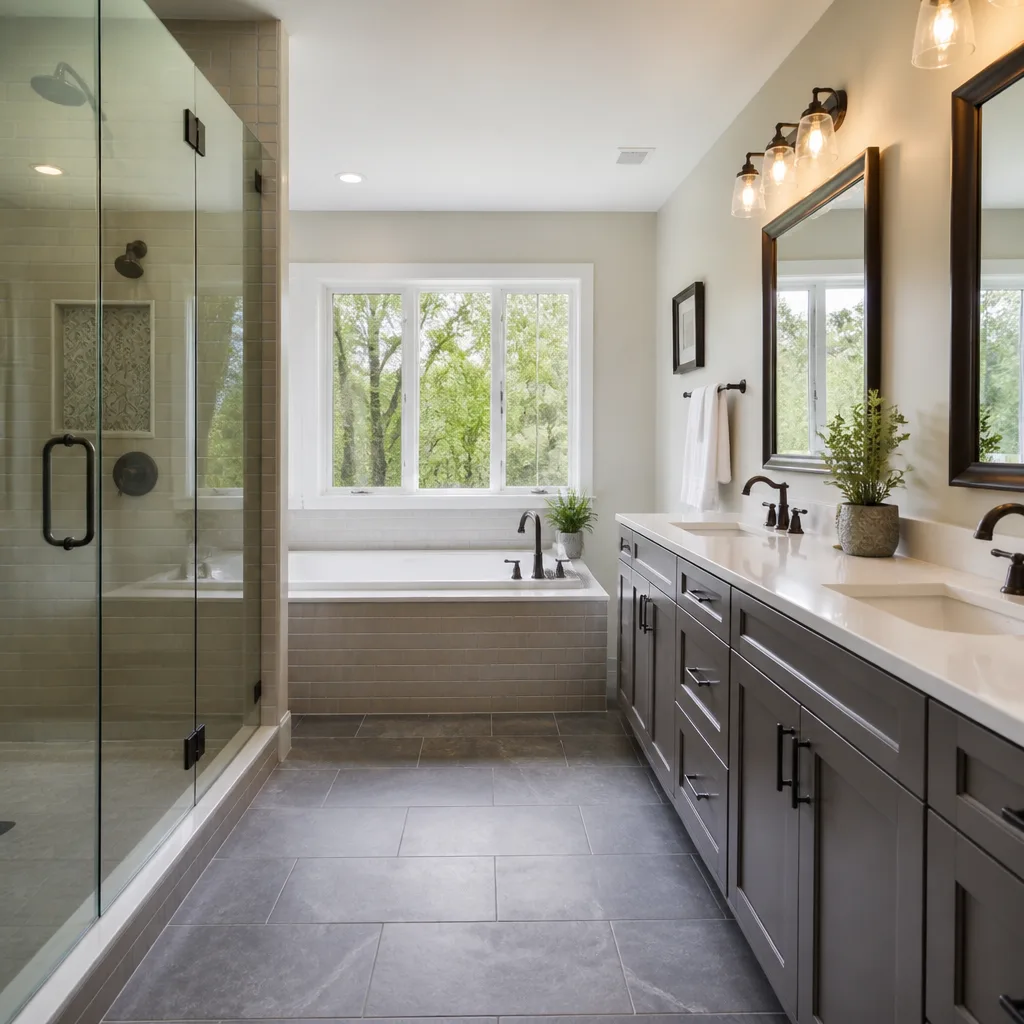
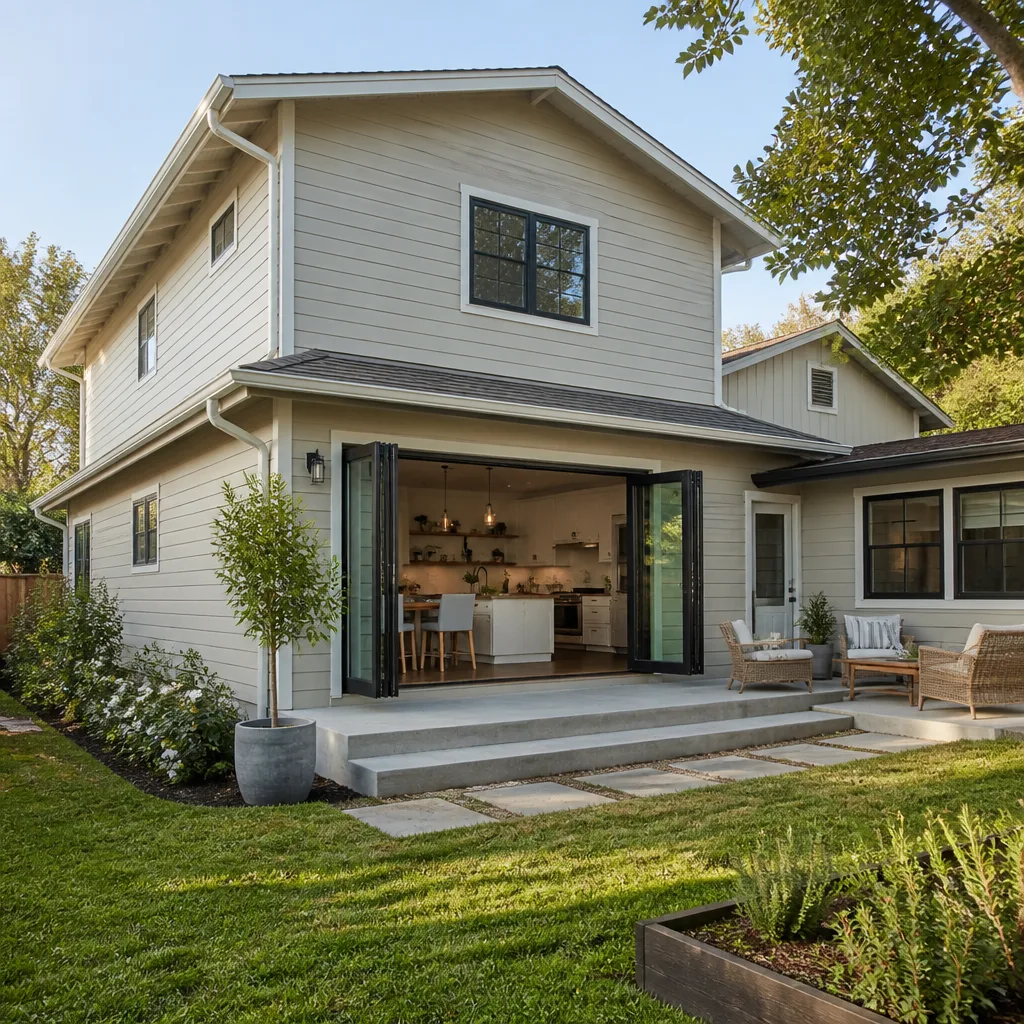

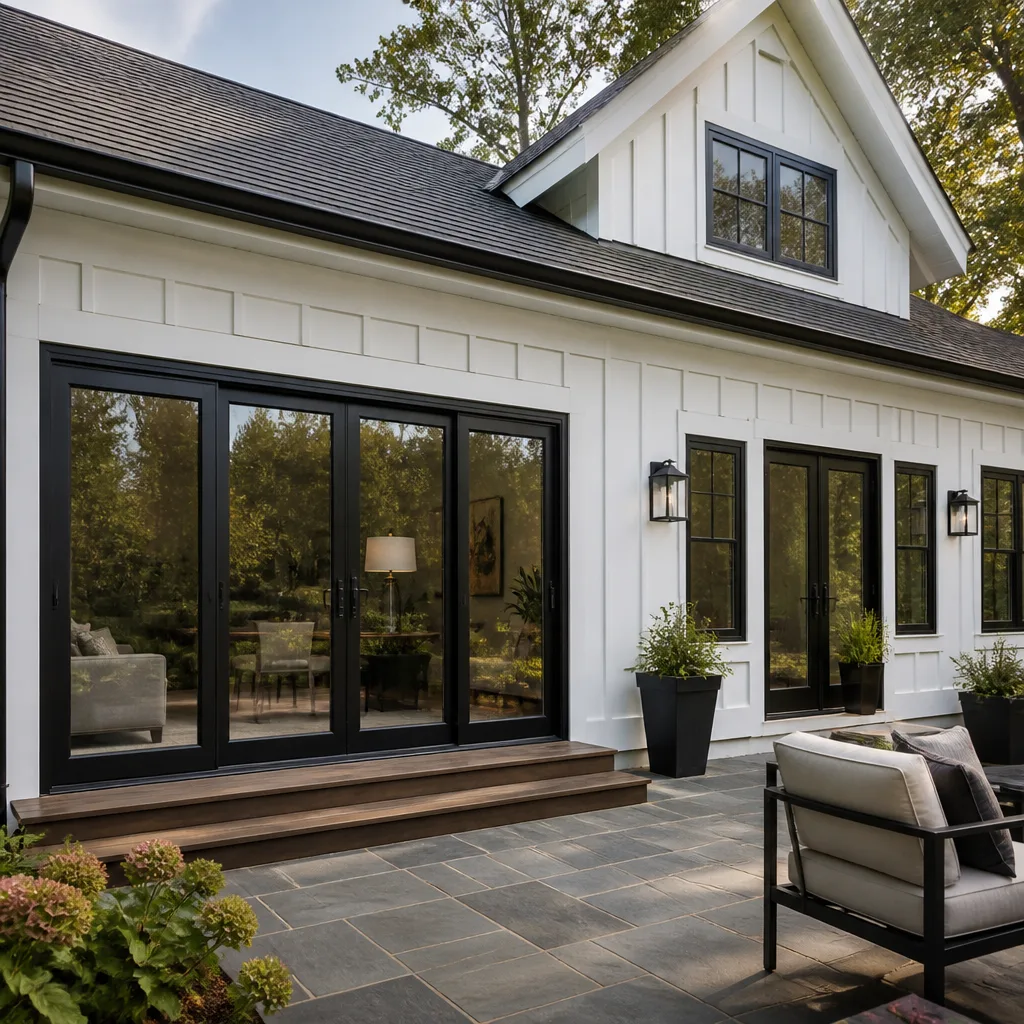

 Before
 After
After Before
 After
After Before
 After
AfterDIY vs Professional Construction: The San Jose Homeowner’s Decision Guide
California allows homeowners to act as their own general contractor under the homeowner-builder exemption - but the exemption requires you to actually perform the work yourself, bars you from immediately selling the property for one year, and does nothing to address the fact that most home insurance policies exclude damage caused by work done without a licensed contractor. In San Jose, where the median home sale price has hovered near $1.3 million and buyers routinely hire inspectors who flag permit history, a DIY shortcut can become a five-figure negotiation chip in the hands of a purchaser. This guide draws the line where California law and insurance policy language actually place it, not where a weekend YouTube tutorial suggests it belongs.
Quick Answer
Most San Jose homeowners should hire a licensed contractor for any work requiring a permit, touching electrical or gas systems, or affecting structural integrity - see our guide on How to Hire a Construction Contractor in San Jose: A Step-by-Step Guide. DIY is generally sound for cosmetic work like interior painting or simple hardware replacement, provided you own the tools already. The real risk isn’t skill - it’s the homeowner-builder exemption’s one-year resale restriction, subcontractor lien exposure, and the unlicensed contractor exclusion buried in standard HO-3 insurance policies.
Table of Contents
- California’s Homeowner-Builder Exemption: What It Actually Permits
- What Requires a Licensed Contractor in California Regardless of Homeowner Intent
- Insurance Policy Language: The Unlicensed Contractor Exclusion
- True Cost Comparison: DIY vs. Professional With Rework Factored
- Project Category Recommendations for San Jose Homes
- Permits and Inspections in San Jose: What Changes the Math
- Common Mistakes to Avoid
- When to Call a Professional
- Frequently Asked Questions
- The Bottom Line
 Before
 After
AfterCalifornia’s Homeowner-Builder Exemption: What It Actually Permits
Business and Professions Code Section 7044 allows a homeowner to act as their own general contractor on a single-family dwelling they intend to occupy. The exemption sounds broad. It isn’t.
Here is what the statute actually requires:
- You must perform the work yourself. The exemption does not cover hiring unlicensed workers to do the labor while you supervise. If you hire someone who should be licensed and isn’t, you assume liability for their wages, injuries, and any damage they cause.
- You must occupy the dwelling. The exemption vanishes if the property is a rental, a flip, or a home you do not live in during construction.
- You cannot sell within 12 months. Sell before a year passes and you violate the exemption. In San Jose’s competitive market, where job relocations to Austin or Seattle happen without warning, this is a real constraint.
- You remain exposed to subcontractor liens. A licensed general contractor carries bonding and insurance that protect you from a drywall sub or plumber filing a mechanic’s lien. Under the homeowner-builder exemption, that protection disappears. We’ve reviewed cases in Santa Clara County where a homeowner paid a “handyman” who then failed to pay his material supplier, and the supplier lien followed the property, not the worker.
The exemption is a narrow legal window, not a general permission slip. San Jose homeowners in neighborhoods like Willow Glen or Almaden Valley, where property values make any title cloud expensive, should treat it with corresponding caution.
What Requires a Licensed Contractor in California Regardless of Homeowner Intent
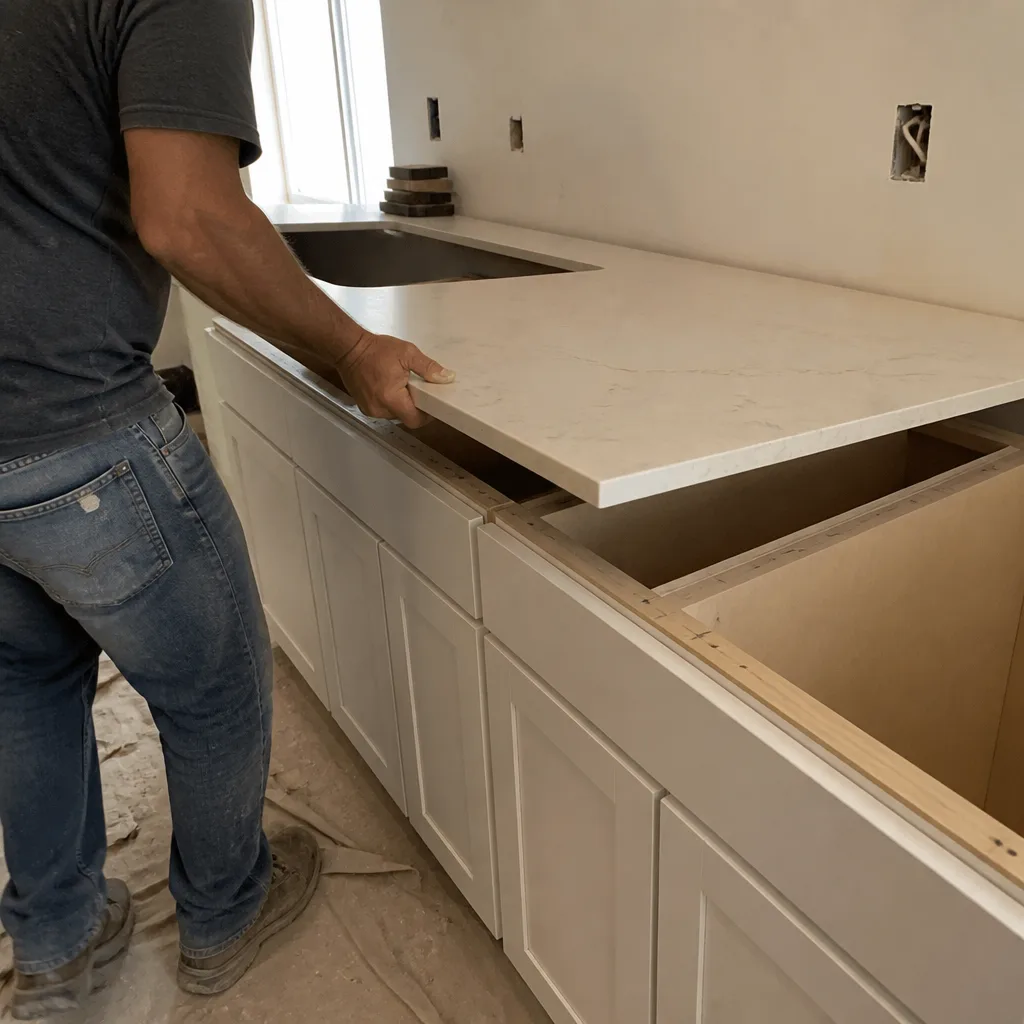
Some work is simply not available to the DIY route under California law. Not “inadvisable.” Illegal to perform without the proper license.
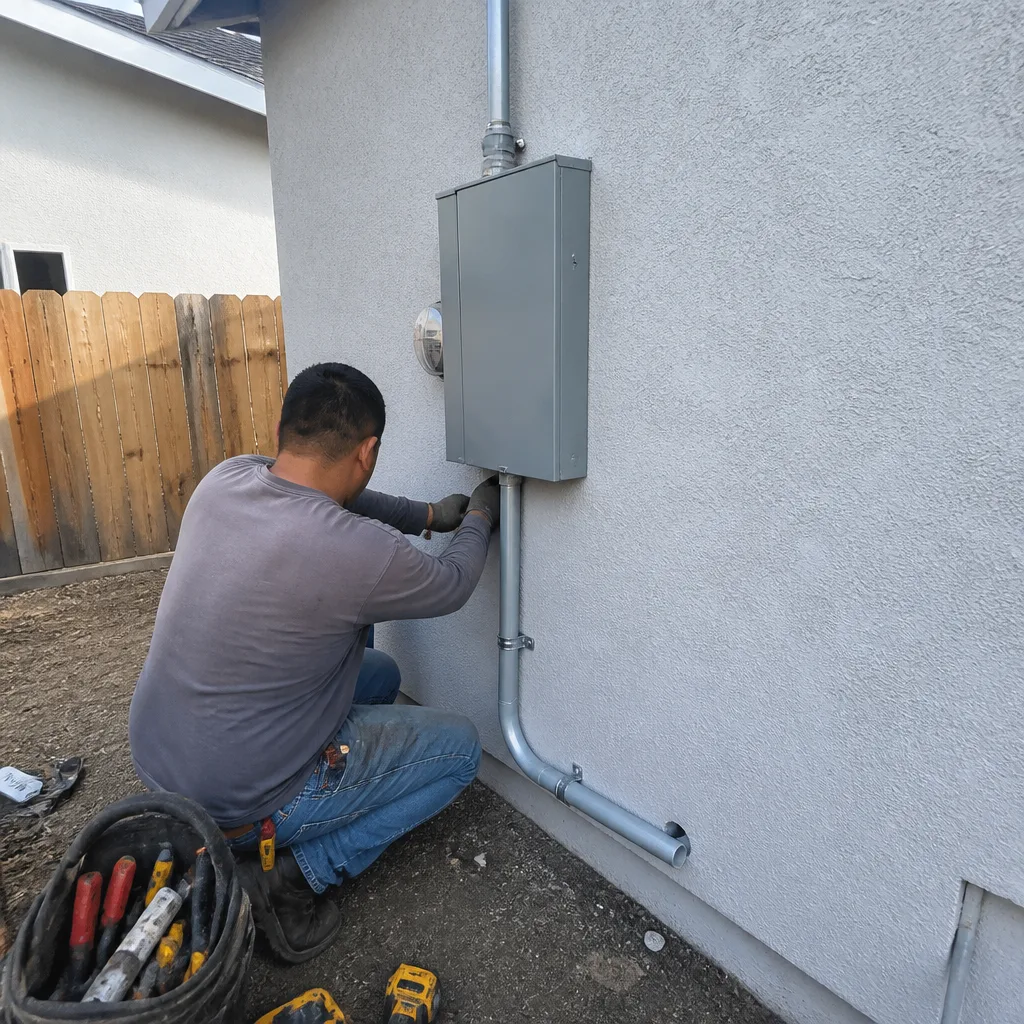
Electrical work on a main panel. Any modification to a service panel, subpanel installation, or new circuit run back to the panel requires a C-10 licensed electrician. Homeowners can replace a light fixture or install a ceiling fan on an existing box. They cannot run 240V to a garage EV charger or add circuits for a kitchen remodel.
Gas line work. Moving, extending, or modifying natural gas lines requires a C-36 plumbing contractor. This includes running a new line for a outdoor kitchen in a San Jose backyard or converting a fireplace to gas. The risk isn’t just code compliance - it’s a slow leak in a seismic zone.
Structural modifications. Removing or altering load-bearing walls, modifying roof trusses, or underpinning foundations requires a B-general or C-5 framing contractor, plus structural engineering sign-off. San Jose’s expansive clay soils and seismic requirements make this especially non-negotiable; the city adopted the 2022 California Building Code with local amendments that specify foundation depth and tie-down requirements many DIYers miss.
Any permitted work on a home you plan to sell within 12 months. Even if the work is technically within your skill set - a bathroom vanity replacement, say - pulling a permit as a homeowner-builder triggers the one-year occupancy requirement. Sell early and you disclose an unpermitted completion, or you disclose permit work done under an exemption you violated. Neither helps your negotiating position.
Roofing on structures over one story. Steep-slope work above single-story height falls under C-39 roofing contractor requirements, and for good reason. Fall risk aside, improper fastening in San Jose’s occasional high-wind events can void a manufacturer’s warranty. GAF, CertainTeed, Owens Corning, and IKO all specify installation requirements that must be met for their system warranties to remain valid. A homeowner nailing shingles without the specified exposure, starter strip, or valley detail loses that protection and may not discover the gap until a buyer’s inspector finds it.
Insurance Policy Language: The Unlicensed Contractor Exclusion
This is the clause most San Jose homeowners have never read. It should change how you think about every project.
Standard HO-3 homeowner policies contain language excluding coverage for damage “caused by, resulting from, or arising out of work performed by an unlicensed contractor or by the insured’s own work when a licensed contractor was required.” The exact wording varies by carrier - State Farm, Farmers, Allstate, and Mercury all use slightly different phrasing - but the intent is consistent.
What this means in practice:
- DIY plumbing repair fails, flooding the kitchen: Your carrier may deny the water damage claim if the repair required a licensed plumber under local code. You’ll be arguing with an adjuster who has a copy of the San Jose Municipal Code.
- Self-installed water heater leaks: Tank failures are common claims. If the installation lacked a permit or licensed plumber, your policy may not respond.
- Unpermitted electrical work causes a fire: This is the clearest exclusion scenario. The damage is catastrophic and the denial is nearly automatic.
To find the exclusion in your own policy, search the PDF for “unlicensed,” “work performed,” or “contractor required.” It’s usually in Section I, the dwelling coverage exclusions, not in a separate endorsement. If you’re considering DIY on anything beyond cosmetic work, this 10-minute review is the most valuable due diligence you’ll do.
In our experience at Rowan Construction Group San Jose home, we’ve been called to repair DIY work that seemed successful for months before failing. The homeowner’s cost wasn’t just our bid - it was the deductible they paid on a denied claim, plus the out-of-pocket remediation, plus the permit correction process to bring the work into compliance.
True Cost Comparison: DIY vs. Professional With Rework Factored
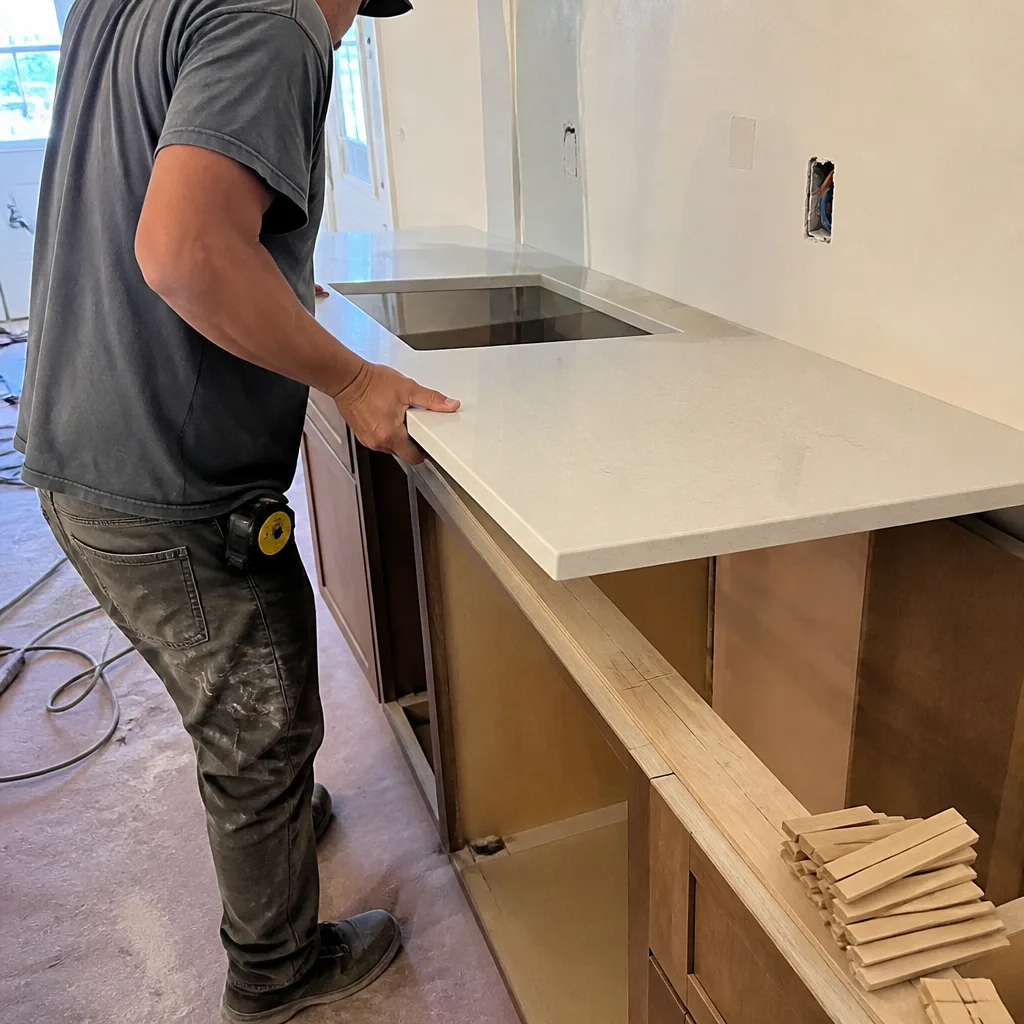
Most cost comparisons stop at materials vs. bid. They shouldn’t. Here’s a worked example using a real project category: kitchen tile backsplash, 30 square feet, standard subway tile, San Jose market.
DIY estimate:
- Tile and materials: $340
- Thinset, grout, sealer: $85
- Wet saw rental (1 day): $65
- Notched trowel, float, spacers: $45
- Permit (if pulled - many don’t): $180
- Subtotal DIY: $715
Professional bid from Rowan Construction Group San Jose:
- Flat written price, materials and labor: $2,200
- Includes permit, inspection, and 365-Day Done Right Promise
The simple comparison says DIY saves $1,485. The honest comparison adds probability-weighted rework.
Industry data on backsplash DIY completion is sparse, but tile contractor rework rates run 8-15% for calls where a homeowner started and stopped. Let’s use 12%. Rework means removing failed tile, replacing damaged drywall, re-purchasing materials, and paying a professional’s full rate - there’s no “finish my DIY” discount. A typical rework call runs $2,800-$3,400 because the remediation is harder than fresh installation.
Expected value calculation:
- DIY success (88% probability): $715 cost
- DIY failure requiring rework (12% probability): $715 + $3,100 average rework = $3,815
- Expected DIY cost: (0.88 × $715) + (0.12 × $3,815) = $629 + $458 = $1,087
The gap narrows to $1,113. Now factor your time at even a conservative value, the tool learning curve, the permit run to San Jose’s One Stop Permit Center on West Santa Clara Street, and the photography documentation you’d need to prove quality to a future buyer. The economic case for DIY weakens further.
Under Clause 1 of The Haven Standard, Rowan delivers the written price before any work starts. The $2,200 is the number. The 12% rework risk is ours, not yours.
Project Category Recommendations for San Jose Homes
These are our recommendations based on California law, insurance policy language, and 4,000-plus projects since 2007. Each is stated as a single sentence with the reasoning explicit.
Always DIY (no permit, no license required, low consequence of failure):
- Interior painting: No permit required, failure is cosmetic and correctable, and the skill is genuinely learnable in a weekend - though use zero-VOC paint in San Jose’s tighter modern homes where ventilation is limited.
- Hardware replacement: Cabinet pulls, door handles, and towel bars require only a screwdriver and a template; if you strip a screw, the fix is a $2 wall anchor.
- Simple landscaping: Planting, mulching, and non-retaining garden beds don’t touch structure or utilities.
Always professional in California (license required, high consequence, insurance exposure):
- Electrical panel work: The C-10 license exists because arc faults kill people, and San Jose’s older stock in neighborhoods like Naglee Park still has split-bus panels that confuse even experienced DIYers.
- Gas line work: A pressure test and permit are mandatory, and the consequence of error is explosive - this is not hyperbole, it’s the reason C-36 licenses require 4,000 hours of documented experience.
- Structural modifications: Load path analysis, seismic tie-downs, and foundation interaction are not learnable from a video; San Jose’s geotechnical conditions vary block by block in the foothills.
- Roofing in San Jose on multi-story structures: Fall risk, manufacturer warranty requirements, and the compounding damage of a leak in our occasional heavy rain events make this a C-39 trade.
Situational - professional recommended unless specific conditions are met:
- Deck building: DIY is viable for a ground-level platform under 30 inches in height with no attached structure; anything elevated, attached to the house, or spanning a slope requires engineering and a permit, and the ledger board attachment is where most DIY decks fail.
- Tile work: Backsplashes and small floors are learnable; shower pans, steam showers, and any wet-area tile require waterproofing expertise that takes years to develop, and a failed pan in a second-story bathroom in a San Jose townhome damages units below.
- Drywall: Small repairs are reasonable DIY; whole-room or ceiling work, especially with the acoustic texture common in 1970s-1990s San Jose construction, is faster and cleaner left to professionals with dust containment and matching skill.
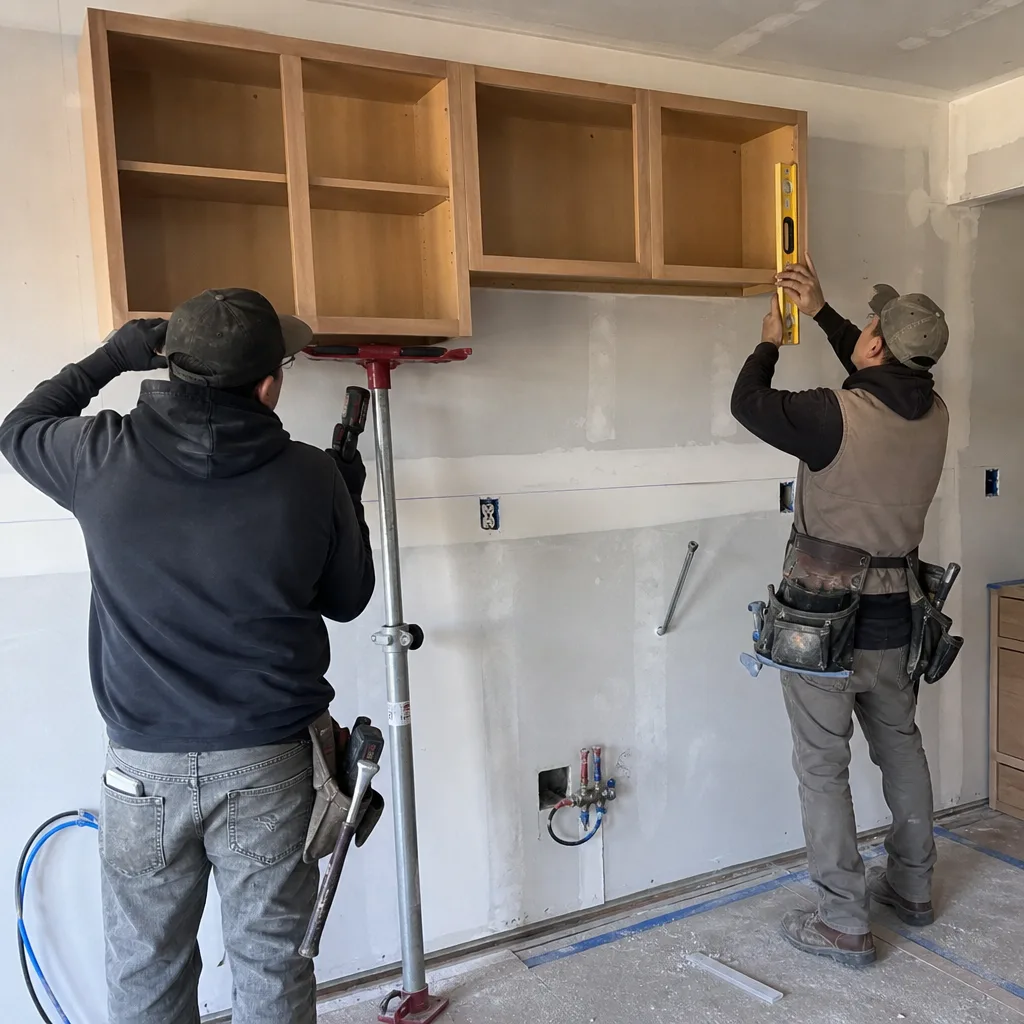
- Kitchen Remodeling in San Jose: Cabinet replacement only is borderline DIY if you’re not moving appliances or electrical; any layout change, electrical relocation, or permit requirement makes professional involvement necessary, and the coordination of countertop templating with cabinet installation is where most homeowner-managed projects lose 2-3 weeks.
Permits and Inspections in San Jose: What Changes the Math
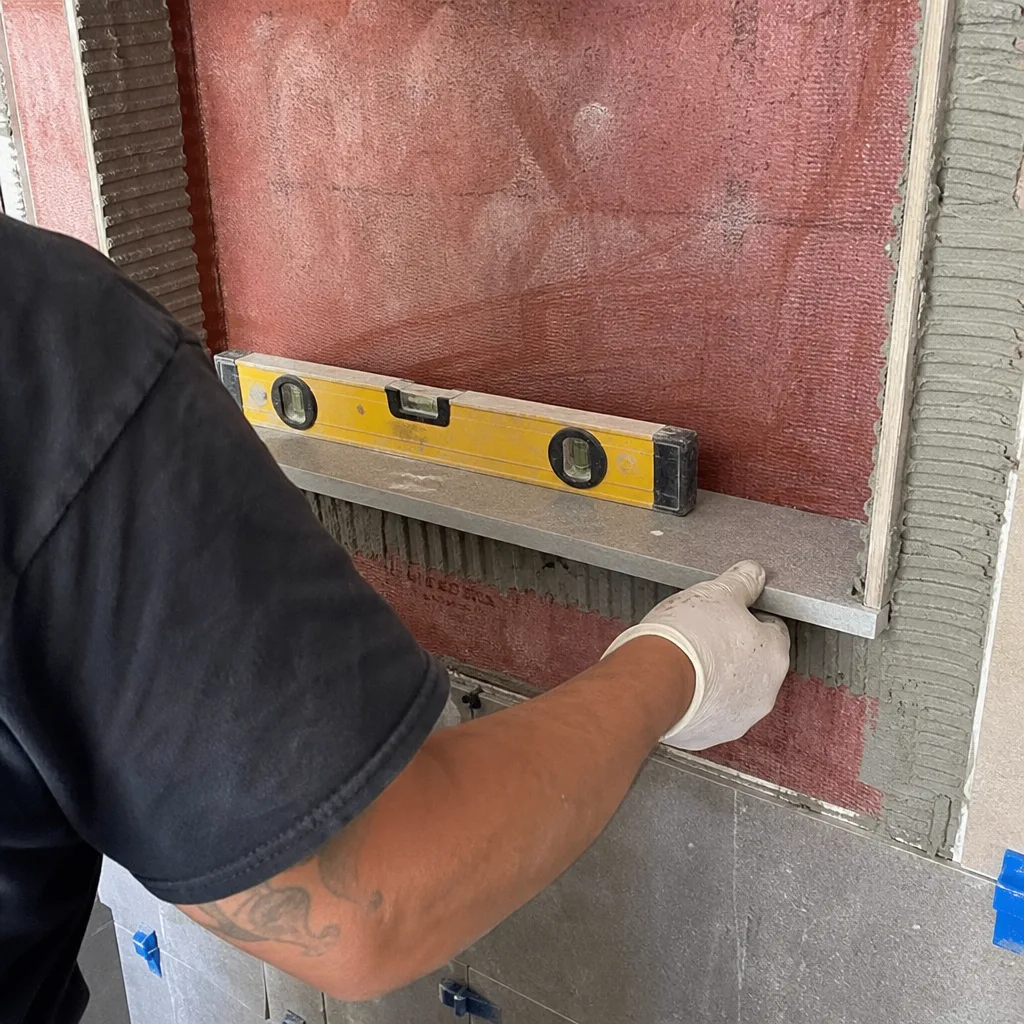
San Jose’s Department of Planning, Building and Code Enforcement operates under the 2022 California Building Code with local amendments. The permit process is not merely administrative - it affects your project’s legal status, insurance coverage, and resale value.
When permits are required:
- Any structural modification, including wall removal or addition of openings.
- Electrical work beyond fixture replacement on existing boxes.
- Plumbing work beyond fixture replacement on existing stops.
- HVAC modifications or ductwork changes.
- Window and door replacement where the rough opening is altered.
- Any work valued over $500 in labor and materials that affects building systems.
The San Jose process:
Permits are filed through the One Stop Permit Center or the online Accela portal. Plan review times vary by project complexity; a simple electrical permit may issue over the counter, while a kitchen remodel with structural changes faces 4-6 week review. Inspections are scheduled through the same system, and re-inspection fees apply if the work fails.
Why this matters for the DIY decision:
A permitted project creates a record. That record is discoverable by title search and appears in disclosure packets. A permitted, inspected, and signed-off kitchen remodel in Almaden Valley adds value; an unpermitted one creates negotiation leverage for the buyer. We’ve seen $15,000-$25,000 price adjustments on San Jose sales where permit history was unclear.
Professional contractors carry the burden of permit coordination. At Rowan, we pull permits as standard practice, schedule inspections to avoid crew downtime, and deliver the final sign-off documentation with the project closeout packet. For a homeowner managing their own project, each permit step is a half-day minimum - more if corrections are required.
Common Mistakes to Avoid
- Assuming YouTube competence equals code compliance. A video showing “how we do it in Texas” may violate California’s Title 24 energy requirements or San Jose’s seismic amendments. The technique looks identical; the compliance differs.
- Skipping the permit to save time. In San Jose’s competitive resale market, unpermitted work is a disclosure obligation and often a buyer inspection flag. The time saved at construction is lost at sale, with interest.
- Hiring unlicensed “helpers” under the homeowner-builder exemption. This voids the exemption and exposes you to wage claims, injury liability, and mechanic’s liens. If they’re doing contractor work, they need a contractor license.
- Ignoring the insurance exclusion until a claim is denied. Read your policy before the project starts, not after the water heater leaks through the ceiling.
- Underestimating tool costs for one-time use. A $400 miter saw for a single deck railing project is not a savings; it’s a depreciating asset you’ll store for a decade.
- Failing to document the work condition. Before photos, material receipts, and process documentation protect you in disputes and prove quality to future buyers. Our crews deliver a documented photo record on every visit as standard; DIYers should replicate the practice with their phone and cloud storage.
When to Call a Professional
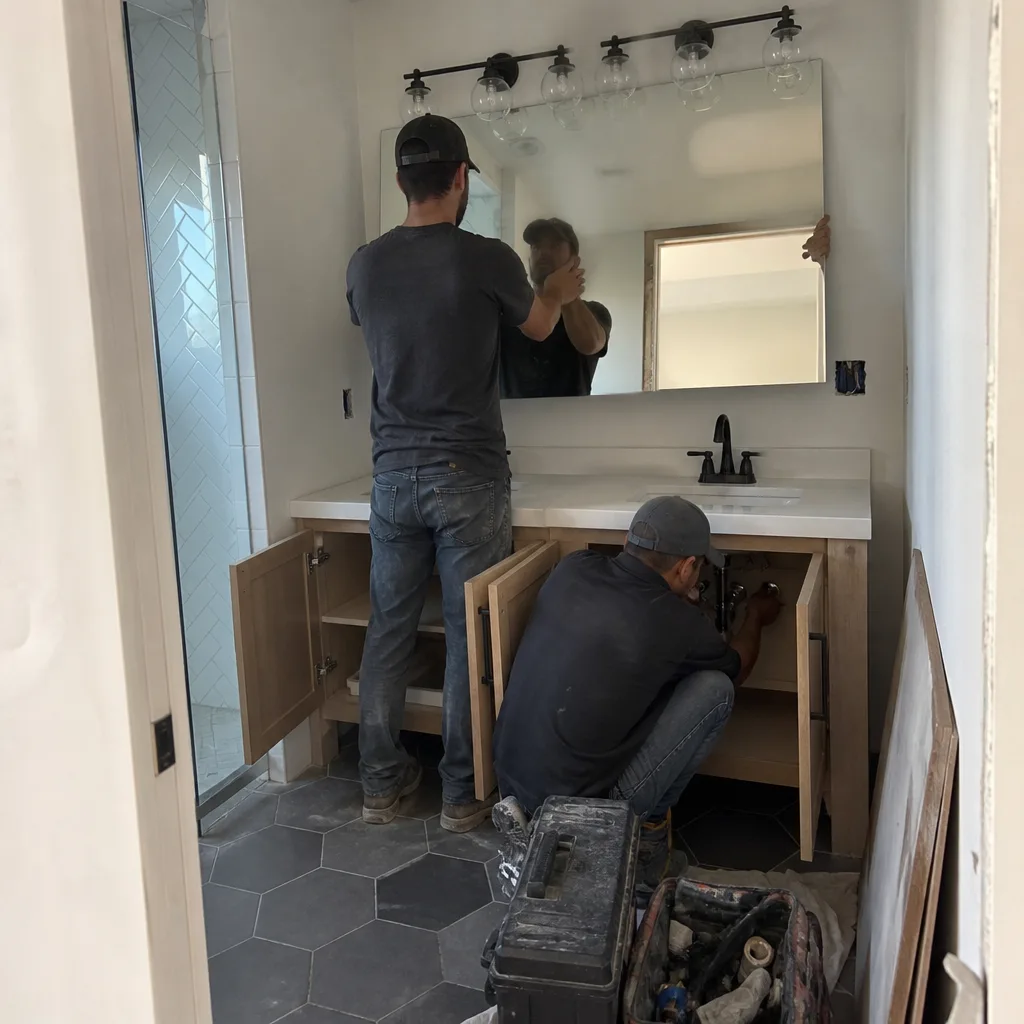
Call a licensed contractor when the project requires a permit, touches electrical or gas systems, affects structural elements, or carries insurance consequences you haven’t verified. Call when your time has value, when the rework risk exceeds 10%, or when future resale is a consideration within five years.
For kitchen and bathroom remodeling, roofing, window and door replacement, and home additions including ADUs, the coordination of trades, permit management, and warranty protection generally outweigh any DIY savings.
Rowan Construction Group San Jose offers free estimates in San Jose - call (669) 271-8644. We also provide a Free Second Opinion on any written estimate; bring a competitor’s quote and we’ll review it line by line at no charge. Under The Haven Standard, you’ll receive a flat written price before any work starts, a signed change order for any modification, and a documented photo record of every visit.
Frequently Asked Questions
A professional kitchen remodel in San Jose typically ranges from $45,000 for a mid-range update to $85,000 for a full layout change with custom cabinetry, while DIY material costs alone often run $18,000-$28,000 before tool purchases, permit fees, and the value of your time. The professional bid includes project management, permit coordination, and warranty protection that DIY does not. Call (669) 271-8644 for a written estimate on your specific space - estimates are free.
Yes, San Jose allows homeowner-permitted work under the California homeowner-builder exemption, but you must perform the work yourself, occupy the home, and cannot sell within 12 months of project completion. If you hire workers who should be licensed, the exemption is void and you assume full liability. Most homeowners find the permit process, inspection scheduling, and correction management more time-consuming than anticipated.
Probably not - standard HO-3 policies contain an unlicensed contractor exclusion that denies coverage for damage arising from work a licensed contractor should have performed. The exclusion is typically found in Section I of your policy document. If you’re unsure whether your repair required a licensed plumber, check with your carrier before starting work, not after the leak appears.
You must disclose unpermitted work on the Transfer Disclosure Statement, and most buyers will either negotiate a price reduction, require escrow holdbacks for permit correction, or walk away entirely. In San Jose’s market, we’ve seen $15,000-$25,000 adjustments for unpermitted kitchen or bathroom modifications. Permitted, inspected work with final sign-off documentation eliminates this friction.
Yes, we pull all required permits as standard practice on every project, including Kitchen Remodeling in San Jose and Bathroom Remodeling in San Jose. The permit, inspection coordination, and final sign-off documentation are included in our flat written price, not added later. You’ll receive copies of all permits and approvals with your project closeout packet.
Search the license number on the California Contractors State License Board website at cslb.ca.gov; confirm the status is “Active,” the classification matches your project (B-General, C-10 Electrical, C-36 Plumbing, etc.), and the bond and workers’ compensation insurance are current. Rowan’s license number appears on every page of our site, and we encourage verification - it’s the first step a careful homeowner should take.
The Bottom Line
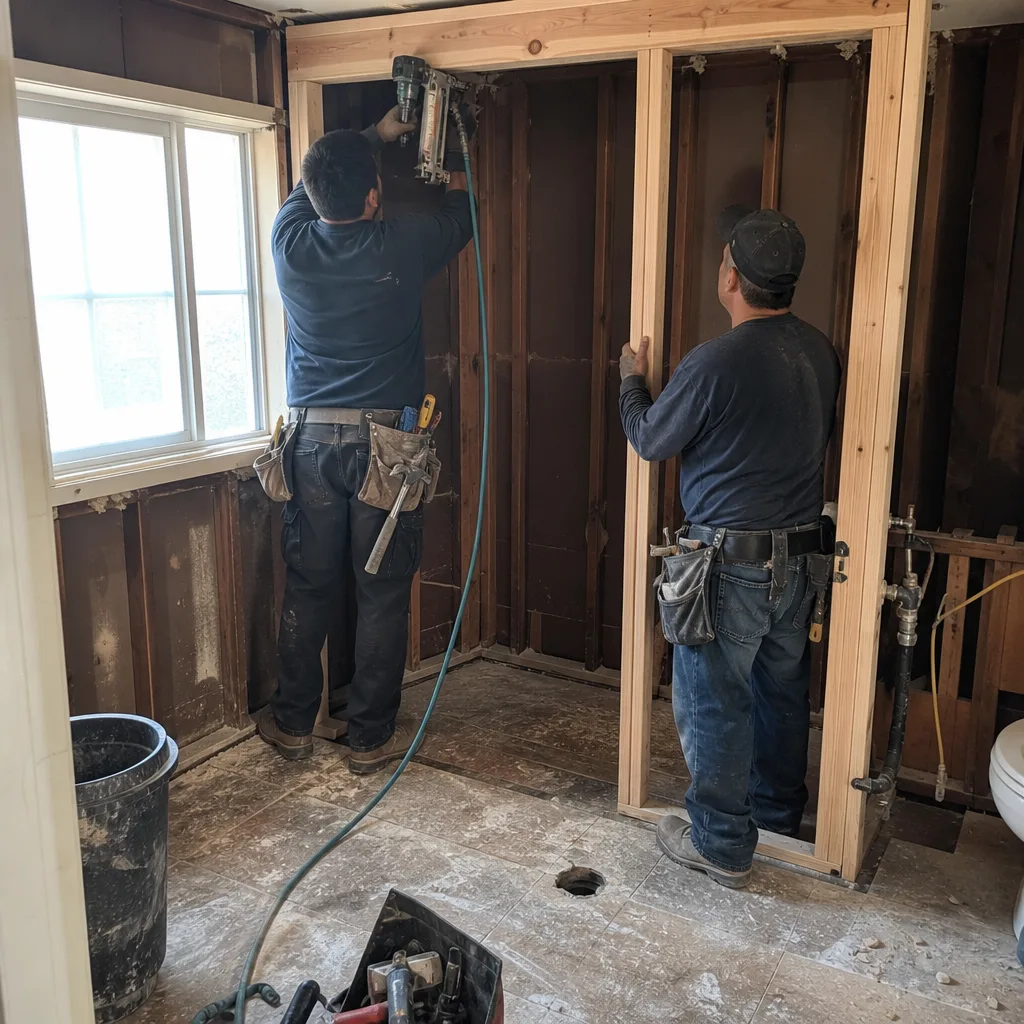
The DIY vs. professional question in San Jose is less about whether you can do the work and more about whether doing it yourself is legally permitted, financially prudent, and protected by your insurance. California’s homeowner-builder exemption is narrow, the one-year resale restriction is real, and the unlicensed contractor exclusion in standard policies can turn a successful project into an uninsured loss. For cosmetic work with no permit requirement, DIY is sound. Explore more guides & resources for San Jose homeowners. For anything affecting structure, safety systems, or permit history, hire a licensed contractor who delivers a written price before work starts, pulls permits as standard practice, and warranties the result. The documentation you receive - permit records, inspection sign-offs, photo records, and a written warranty - is what protects your investment when you sell, not the money you saved on labor.
Written by Grant Rowan, Owner at Rowan Construction Group San Jose, serving San Jose since 2007.