
Last updated September 24, 2026
Free written scope consultation - allowances, timeline, and change-order rules on paper before a single trade is scheduled
 Before
 After
After Before
 After
After Before
 After
AfterConstruction Cost Breakdown: The San Jose Homeowner’s Reference for 2026
The median kitchen remodel bid in San Jose in 2025 runs $85,000-$140,000. The $55,000 spread is almost entirely explained by three line items - cabinet specification tier, countertop material, and whether the electrical panel upgrade is included or listed as an “if needed” allowance. Most cost guides published online average these numbers together and call it “typical,” which leaves a San Jose homeowner with a budget that has no relationship to the actual bid they’ll receive. This guide breaks down construction costs by the same line items that appear on every legitimate contractor’s estimate in Santa Clara County, so you can read any bid and know what’s hidden in it. For more guides & resources on budgeting and planning, visit our blog.
Quick Answer
A full construction cost breakdown for San Jose in 2026 includes four distinct categories: labor at $85-$160 per hour depending on trade, materials tiered from builder-grade to premium with 3-5x price spreads between them, city permits calculated on project valuation plus separate mechanical/electrical/plumbing sub-permits, and contractor overhead and profit at 15-25% of the total. Understanding each category separately is the only way to compare bids accurately, because a “low” bid often conceals lower material tiers, excluded permits, or unsustainable margins that create change-order pressure later.
Table of Contents
- Labor Rate Benchmarks by Trade in Santa Clara County
- Material Cost Tiers with Brand Examples
- San Jose Permit Fee Schedule and Hidden Sub-Permits
- Overhead and Profit: What the Margin Actually Covers
- San Jose Cost Escalation Triggers
- How to Read a Line-Item Bid Like a Contractor
- Budget Planning: From Allowance to Fixed Price
- Common Mistakes to Avoid
 Before
 After
AfterLabor Rate Benchmarks by Trade in Santa Clara County
Labor is typically 40-50% of a residential construction project’s total cost in San Jose, and the hourly rate spread between trades is wider than most homeowners expect. In 2025, these are the rates we see on legitimate bids across Santa Clara County, with the union versus open-shop differential explained.
General framing carpenter: $95-$120 per hour. Open-shop crews dominate residential framing in San Jose, though union carpenters appear on larger addition and ADU projects where the general contractor holds a union agreement. The $25 spread reflects crew experience level and whether the carpenter carries their own workers’ compensation policy or works under the contractor’s.
Licensed electrician: $110-$145 per hour. Electricians in San Jose command the middle-to-high end of this range because every panel upgrade, EV circuit, and ADU subpanel triggers Title 24 energy compliance work that adds documentation time. Union electrical contractors (IBEW Local 332) typically quote at $135-$145 per hour for residential; open-shop licensed electricians run $110-$130. The gap is not in code knowledge - both pull the same permits - but in benefits load and prevailing-wage requirements on certain projects.
Licensed plumber: $125-$160 per hour. Plumbing rates in San Jose sit at the top of the trade ladder because water heater replacements now require seismic strapping and pan drainage verification, and any bathroom relocation triggers sewer camera inspection under current city guidelines. We’ve seen plumbers at $160 per hour on jobs involving gas line work or trenchless sewer replacement in the older neighborhoods near Willow Glen and Japantown, where clay lateral lines are common.
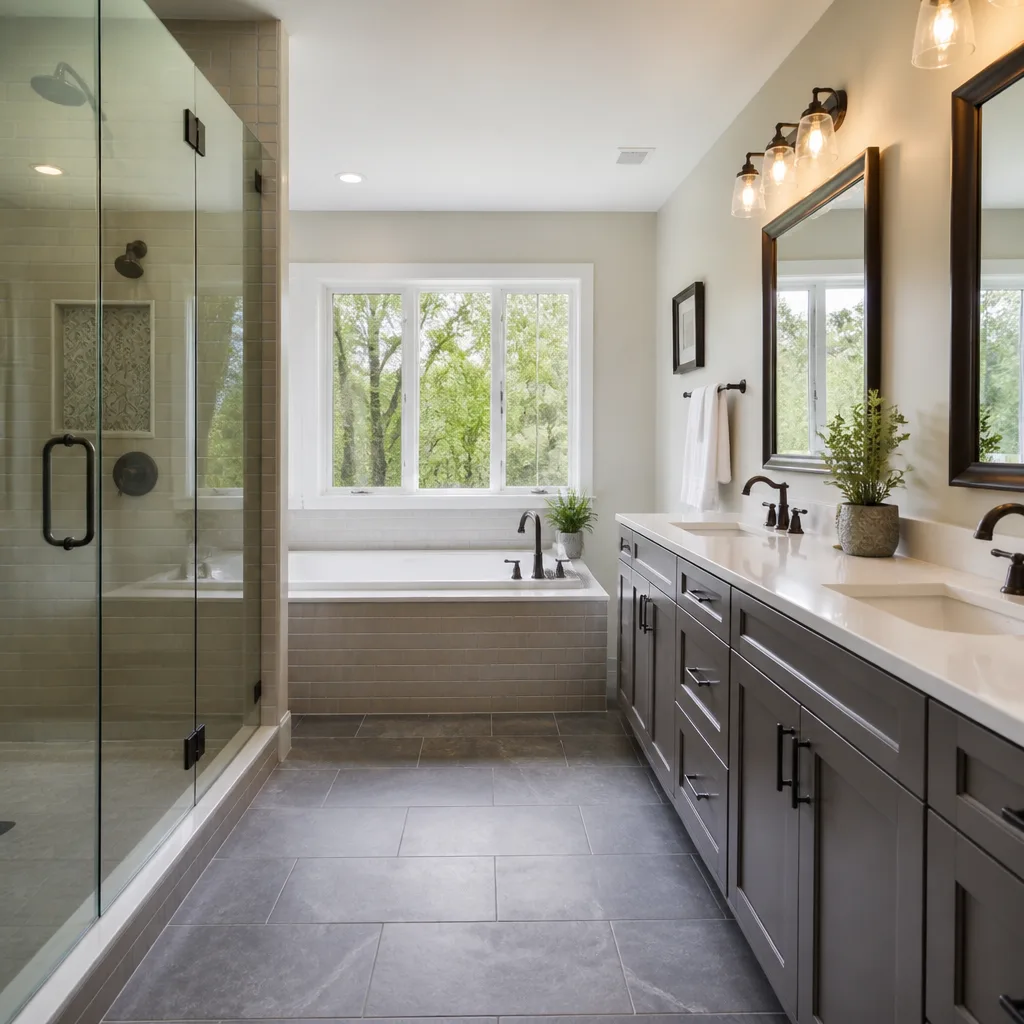
Tile setter: $85-$110 per hour. This rate assumes a setter working with Schluter waterproofing systems and modern large-format tile, which is slower than old-school mud-set work but required for warranty compliance on most Bathroom Remodeling in San Jose projects we handle. The low end of this range often indicates a finisher rather than a full setter - someone who can lay tile but won’t build a shower pan or install a linear drain.
Drywall hanger/finisher: $55-$75 per hour. Not a licensed trade in California, but quality varies enormously. A finisher who can produce Level 5 smooth walls for a modern kitchen or ADU commands the top of this range; texture sprayers run lower.
The union versus open-shop question matters for San Jose homeowners in one specific way: if your project involves any public funding or affordable housing covenant, prevailing wage applies and your contractor must document union or certified payroll rates. For standard private residential work, the license status and workers’ compensation verification matter more than union affiliation. Under Clause 1 of the Haven Standard, we list every trade rate on our written quotes so the customer sees the labor component explicitly.
Material Cost Tiers with Brand Examples
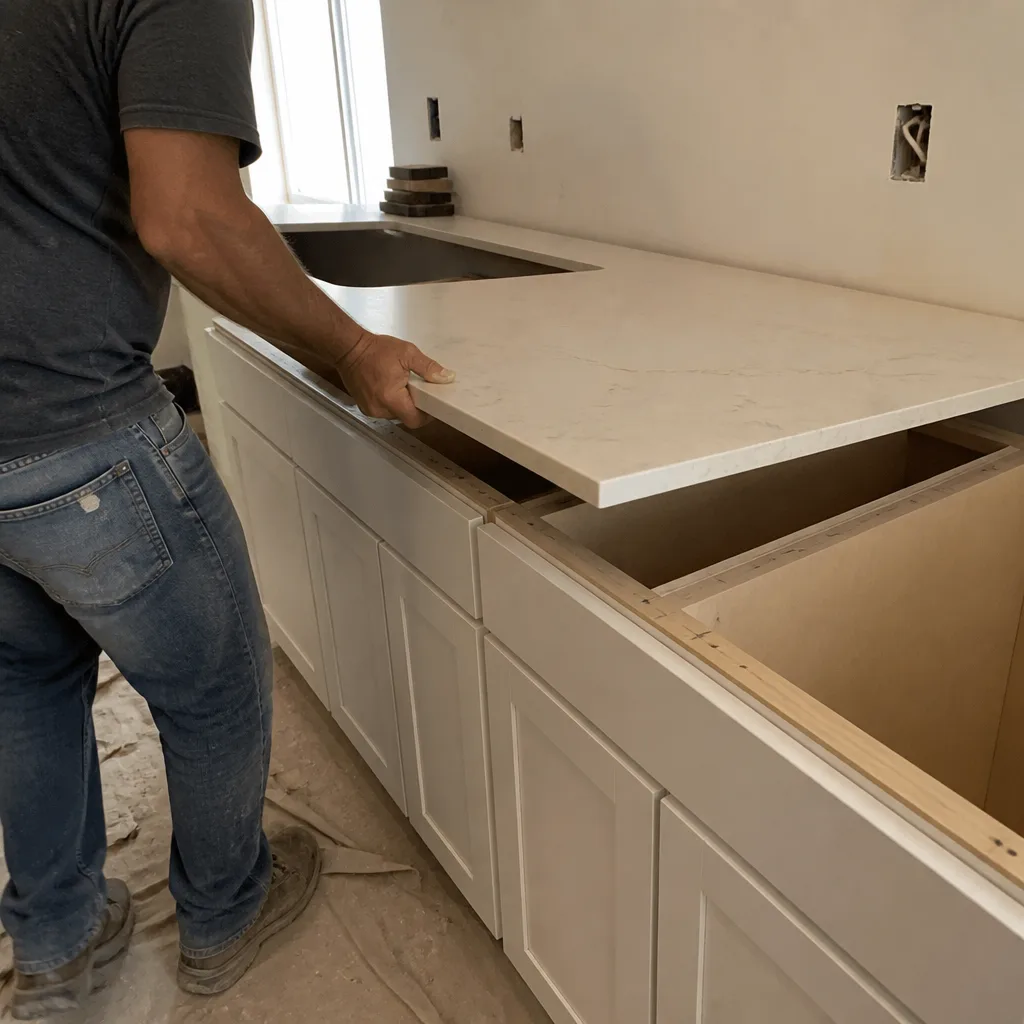
Material selection explains the second-largest cost variable in San Jose construction after labor. The same square footage can produce bids $30,000 apart based entirely on specification tier. Here is how we categorize tiers on our written quotes, with the brand names that appear in each.
Cabinets
Entry tier: IKEA Sektion with Maximera drawers at $150-$200 per linear foot installed. Functional, limited custom sizing, 25-year warranty on boxes. Common in rental ADUs and budget kitchen refreshes in North San Jose.
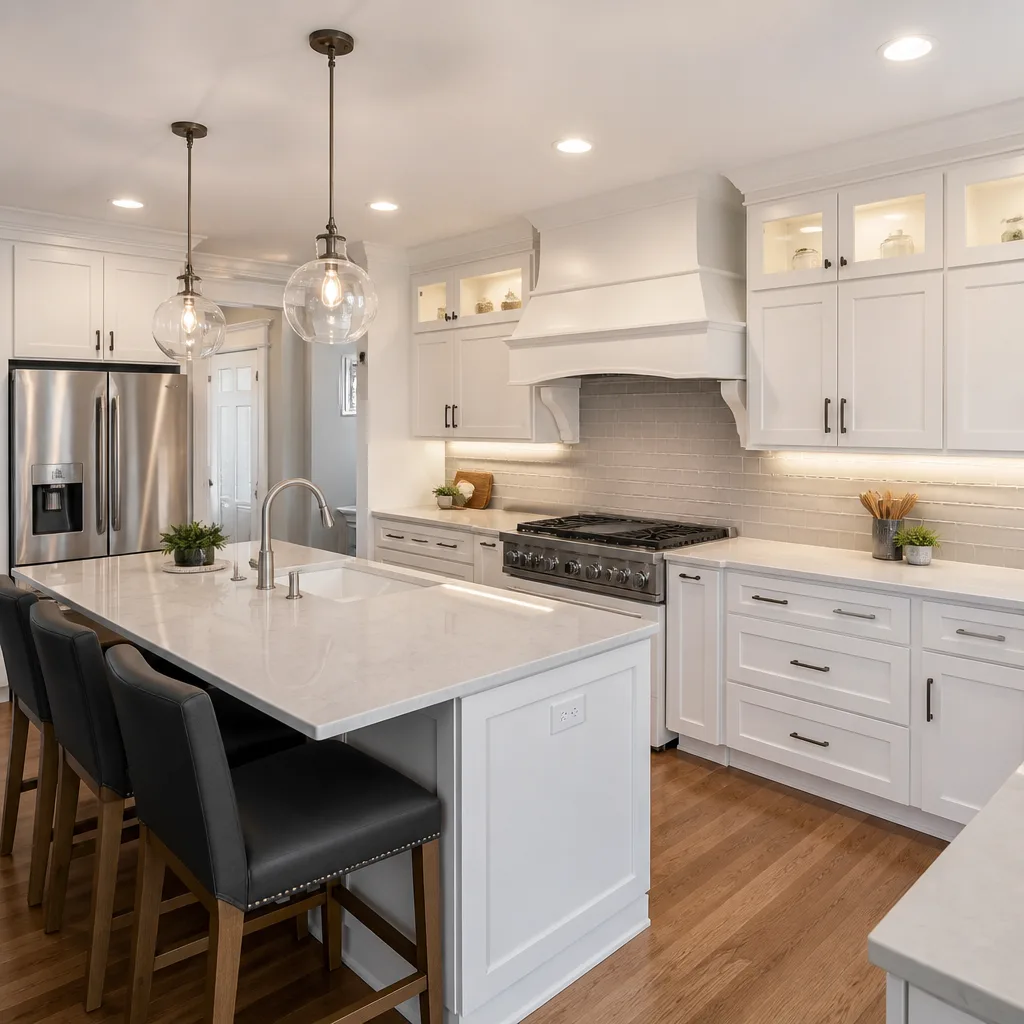
Mid tier: KraftMaid semi-custom or Wellborn at $350-$500 per linear foot installed. The specification jump here is in drawer construction (dovetail versus stapled), door material (solid wood versus MDF wrap), and finish durability. This is the tier we specify most often for Kitchen Remodeling in San Jose in owner-occupied homes.
Premium tier: Custom frameless or inset cabinetry at $800+ per linear foot. Fully custom sizing, integrated lighting, specialty interior fittings. We’ve installed these in Los Gatos Hills and Almaden Valley kitchens where the cabinet budget alone exceeds $60,000.
Countertops
Quartz (engineered): Silestone or Caesarstone at $65-$85 per square foot installed. Consistent pattern, no sealing, good for rental properties and busy households.
Premium quartz: Cambria or high-variation Caesarstone at $95-$140 per square foot installed. The price jump buys thicker slabs (3cm versus 2cm), more complex edge profiles, and patterns that mimic Calacatta marble without the maintenance.
Natural stone: Calacatta marble or soapstone at $150-$250 per square foot installed. Requires sealing, susceptible to etching, but specified frequently in historic Willow Glen renovations where the aesthetic is non-negotiable.
Plumbing Fixtures
Fixture pricing spans from $80 for a basic Delta chrome faucet to $1,200 for a Toto Neorest integrated toilet with washlet. On our quotes, we separate “supply and install” from “fixture only” so the customer can source their own if preferred. We’ve installed American Standard Champion toilets in Alum Rock rental conversions and Toto Aquia dual-flush units in Almaden Valley master baths - same rough-in, different price point, different user expectation.
Roofing Materials
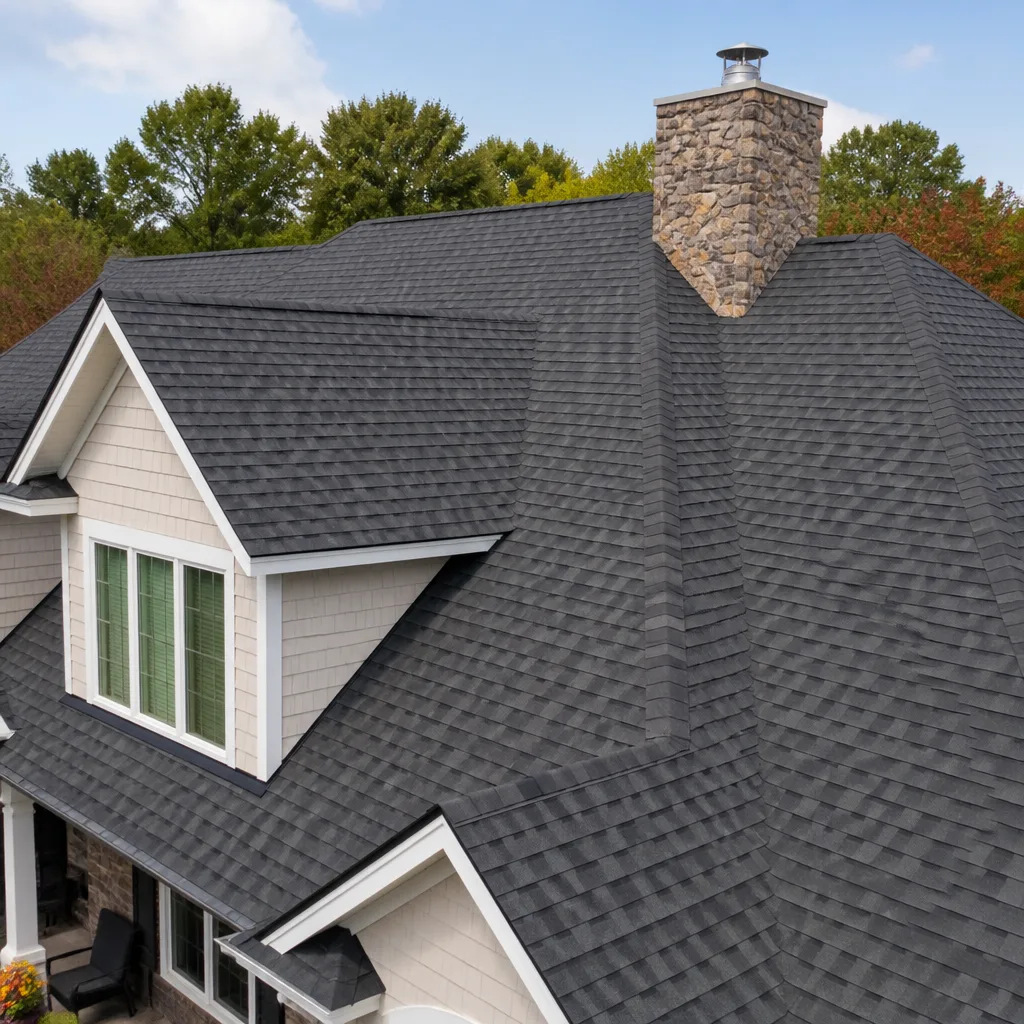
For Roofing in San Jose, the material tier spread is equally wide. GAF Timberline HDZ architectural shingles run $4.50-$6.00 per square foot installed; Owens Corning Duration at similar pricing with slightly different wind warranty terms. Upgrading to concrete tile or standing-seam metal pushes the range to $12-$18 per square foot, which is why we always specify the shingle brand and series by name on our written quotes, not “architectural shingle TBD.”
The critical point: a contractor who lists “cabinets: $15,000 allowance” without specifying tier is asking you to absorb the variance later. Our written quotes name the brand and series, or state “owner selection pending” with a dollar ceiling that triggers a change order if exceeded.
San Jose Permit Fee Schedule and Hidden Sub-Permits
Permit costs in San Jose are not a single line item, and contractors who bury them in “project contingency” are either uncertain of the scope or avoiding transparency. Here is the actual fee structure as applied in 2025-2026.
Flat-fee projects under $10,000 valuation: $341 base permit fee for minor work including water heater replacement, electrical panel swap (same amperage), or fence installation under 6 feet. This covers plan review and one inspection.
Valuation-based fee table for larger projects:
- $10,001-$50,000 valuation: $341 base + $7.80 per $1,000 of valuation over $10,000
- $50,001-$100,000 valuation: $653 base + $6.20 per $1,000 over $50,000
- $100,001-$500,000 valuation: $963 base + $5.40 per $1,000 over $100,000
A $85,000 kitchen remodel thus carries a building permit fee of approximately $653 + ($35,000 × $6.20 / $1,000) = $653 + $217 = $870. But this is not the total permit cost.
Mechanical, electrical, and plumbing sub-permits: Each trade permit is separate in San Jose. Electrical sub-permit for a kitchen panel upgrade and circuit additions: $180-$340 depending on ampacity. Plumbing sub-permit for gas line relocation or fixture changes: $140-$220. Mechanical sub-permit for range hood ducting or HVAC modification: $120-$180.
Plan review fees: Projects requiring structural plans (home additions, ADUs, load-bearing wall removal) incur a plan review fee of 65% of the building permit fee, charged at application.
Green building and energy compliance: Title 24 documentation for new conditioned space or major alterations adds $150-$400 in third-party HERS rater fees, separate from city permits.
On a typical San Jose ADU project at $180,000 valuation, we see total permit and compliance fees of $4,200-$5,800. A contractor who lists “permits: $2,500” is either absorbing the difference (unlikely), planning to add change orders, or has not priced the job completely. Under the Haven Standard, we itemize every permit and compliance fee on the written quote, with the city fee schedule cited, because Clause 1 requires the price to be complete before work starts.
Overhead and Profit: What the Margin Actually Covers
Legitimate contractor overhead and profit in San Jose runs 15-25% of project cost. Below 15%, the business model is unsustainable; above 25% on a large project suggests either premium complexity or insufficient competition in the bid. Here’s what that margin actually pays for.
General liability and workers’ compensation insurance: $2.50-$4.50 per $100 of payroll for construction trades in California, plus $1,200-$3,000 annual general liability premium per crew. A contractor without current certificates of insurance is passing risk to the homeowner.
License bond and contractor bond: $15,000 license bond required by CSLB, plus performance and payment bonds on larger projects. The annual cost is modest but the absence is a red flag - it indicates either a brand-new license or prior claims.
Supervision and project management: A production manager or lead carpenter who visits daily, coordinates inspections, and verifies trade completion. On our projects, this is a documented role with photo records from every visit - not an owner who drops by when the check is due.
Warranty reserve: The 365-Day Done Right Promise requires funding. We reserve 2% of project value against warranty calls, which in our experience run 3-5% of projects for minor touch-ups and 1% for significant rework. Contractors without a warranty reserve cannot honor a one-year guarantee.
Administrative and compliance: Signed change orders, permit tracking, lien release collection, and photo documentation. The discipline that keeps projects within a few percent of the agreed price costs money to maintain.
A bid at 10% margin signals one of three conditions: the contractor is desperate for cash flow and will recover through change orders; they are underpaying subcontractors and risk lien claims; or they are uninsured and gambling on no claims. We’ve reviewed competitor quotes for our Free Second Opinion service where the margin line was $0 and the “supervision” line was absent - the homeowner brought it to us because the number felt too low, and it was.
San Jose Cost Escalation Triggers
Certain conditions in San Jose homes trigger automatic cost increases that do not appear in generic cost guides. These are not “surprises” to an experienced contractor; they are predictable conditions that should be identified during initial site visit and written into the quote.
Electrical Panel Upgrades in Pre-1990 Homes
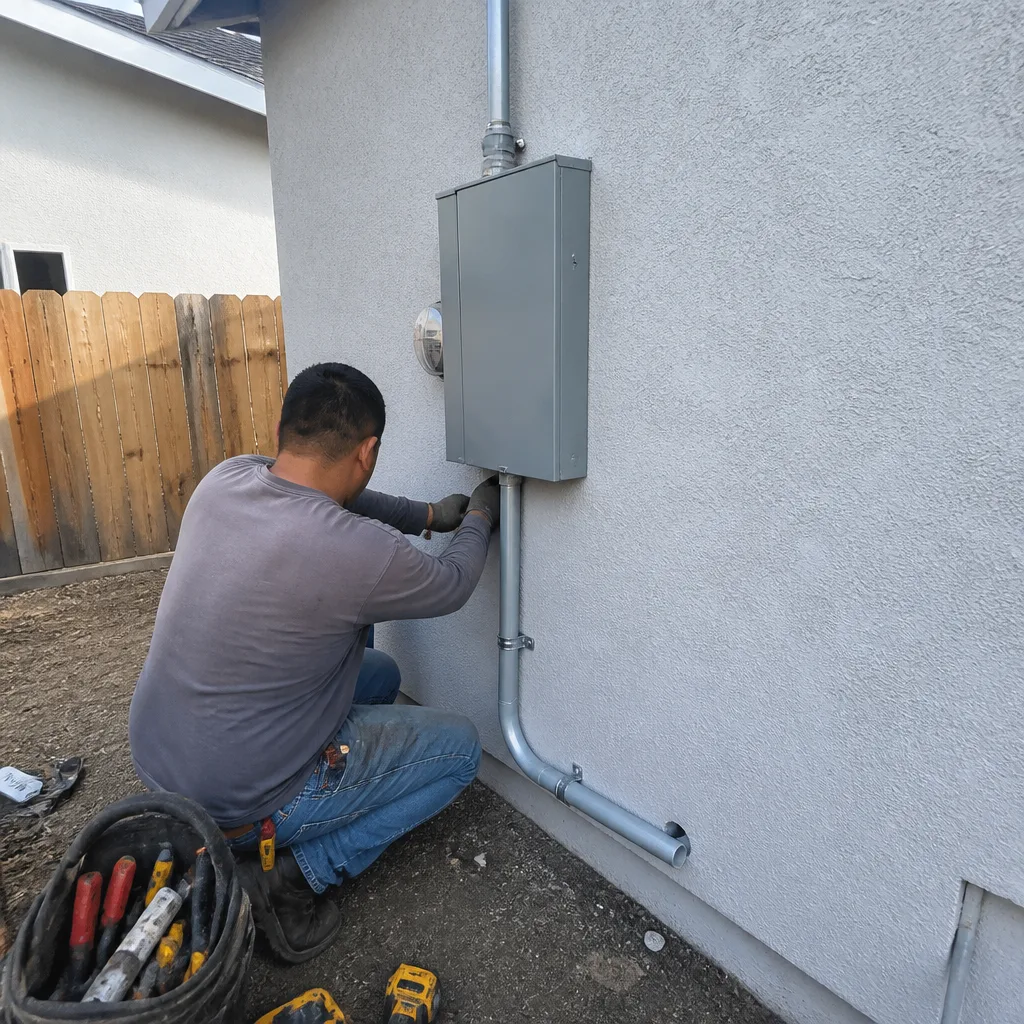
Homes built before 1990 in San Jose frequently have Zinsco or Federal Pacific panels, or 100-amp service insufficient for modern kitchen appliance loads. Adding circuits for a kitchen remodel or ADU without upgrading the panel is a code violation. Panel upgrade cost: $3,500-$6,500 depending on service entrance length, trenching requirements, and whether the utility (PG&E) requires a new meter socket. We identify the panel manufacturer and amperage during our first site visit and include the upgrade as a line item with a “if needed” price that converts to fixed upon verification.
Soft-Story Retrofit Requirements
San Jose adopted soft-story retrofit ordinances for certain multi-family and tuck-under parking structures. What homeowners miss: the same structural weakness triggers additional engineering review when a home addition or ADU permit is pulled. If the existing structure requires seismic strengthening before new loads are added, the retrofit engineering adds $4,000-$8,000 and the structural work adds $15,000-$30,000. We check the San Jose soft-story inventory map before quoting any addition project.
Asbestos and Lead Testing for Pre-1980 Homes
San Jose building code requires asbestos testing before demolition or disturbance of materials in homes built before 1980. This is not optional; the city will not issue a demolition permit without a negative test or abatement plan. Testing: $400-$800. Abatement if positive: $2,500-$8,000 depending on material type and square footage. Lead paint testing is similarly required for pre-1978 homes with child occupancy. We build these tests into every pre-1980 project quote and schedule them before demolition to avoid permit delays.
Foundation Conditions in Baylands and Alviso Areas
Homes near the San Francisco Bay shoreline, including parts of Alviso and north San Jose, encounter expansive clay soils and high water tables. Standard foundation details from inland Santa Clara County may require engineering modification for these conditions, adding $3,000-$7,000 to addition or ADU foundation costs. Our site visit includes soil observation and, if needed, a geotechnical referral written into the quote.
How to Read a Line-Item Bid Like a Contractor
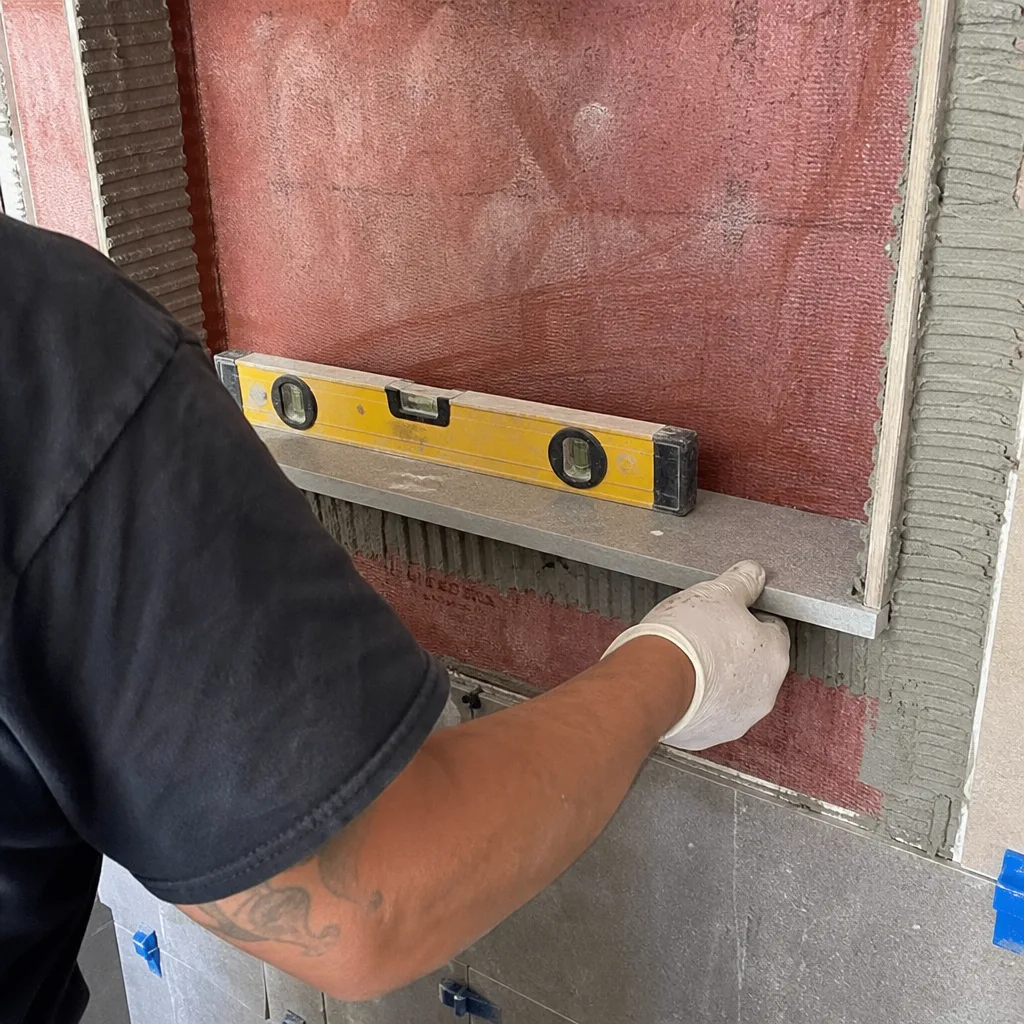
A properly structured San Jose construction bid contains these elements in this order. If any are missing, the bid is incomplete.
- Scope narrative: A paragraph describing what work will be performed, with reference to plans or specifications by date. Vague scope (“remodel kitchen”) is unenforceable.
- Demolition and disposal: Line item with debris box size and haul cost. Should specify whether asbestos/lead abatement is included or excluded.
- Rough carpentry: Framing, structural modifications, wall relocation. Should note whether engineered lumber (LVL, PSL) is specified or “as needed.”
- Electrical: Panel status, circuit count, fixture type. Should specify whether fixtures are owner-supplied or contractor-furnished.
- Plumbing: Fixture relocation, gas line work, water heater. Should note whether sewer camera inspection is included.
- HVAC: Duct modification, load calculation, permit. Required for any kitchen or addition with conditioned space changes.
- Finish materials: Cabinets (brand, series, tier), countertops (material, thickness, edge), flooring (species, width, installation method), tile (brand, size, pattern, grout), fixtures (brand, model or allowance).
- Appliances: Owner-supplied or contractor-furnished, with delivery and installation scope.
- Painting: Specification (primer, paint brand, sheen), whether ceilings and trim are included.
- Permits and fees: Itemized by type, with city fee schedule reference or third-party compliance cost.
- Overhead and profit: Shown as percentage or dollar amount, not buried in line items.
- Payment schedule: Tied to verifiable milestones, not calendar dates. Never more than 10% down or $1,000, whichever is less, per California law.
We deliver every quote in this format. A customer who brings us a competitor’s quote missing three or more of these elements receives our Free Second Opinion line-by-line review, and we typically find $8,000-$15,000 in unspecified items that will appear later as change orders or disputes.
Budget Planning: From Allowance to Fixed Price
The most common budget failure we see in San Jose is the homeowner who plans around allowances rather than fixed prices, a topic we cover in depth in our DIY vs Professional Construction: The San Jose Homeowner’s Decision Guide. An allowance is a placeholder; a fixed price is a commitment. Here’s how to move from one to the other.
Step 1: Define the scope boundary. What walls stay, what walls go, what stays in the same location. Every relocated fixture adds plumbing and electrical cost. We mark these boundaries on the site visit photo record so there’s no dispute later.
Step 2: Select materials before the quote, not after. A cabinet allowance of $18,000 means nothing until you’ve seen the KraftMaid door sample and the IKEA box construction. We bring material samples to the site visit and record the selection in the quote file.
Step 3: Identify the escalation triggers. Panel age, soil conditions, permit requirements. We checklist these during site visit and write conditional line items with conversion criteria - “Panel upgrade at $4,800 if Zinsco or Federal Pacific confirmed; $0 if modern 200A panel verified.”
Step 4: Convert allowances to fixed prices. Once materials are selected and conditions verified, we issue a revised quote with zero allowances. This is the number under Clause 1 of the Haven Standard. No work proceeds until the customer has this fixed price in writing.
Step 5: Establish the change order threshold. Even with fixed pricing, conditions change. We specify that any modification exceeding $500 requires a signed change order before work continues. This is the administrative discipline that has kept our projects within a few percent of the agreed price across 4,000-plus jobs since 2007.
For a typical San Jose kitchen remodel, the journey from initial allowance-based budget to fixed price takes 2-3 weeks and one or two site visits. The homeowner who skips this process and accepts a “we’ll figure it out as we go” quote is accepting unlimited financial exposure.
Common Mistakes to Avoid
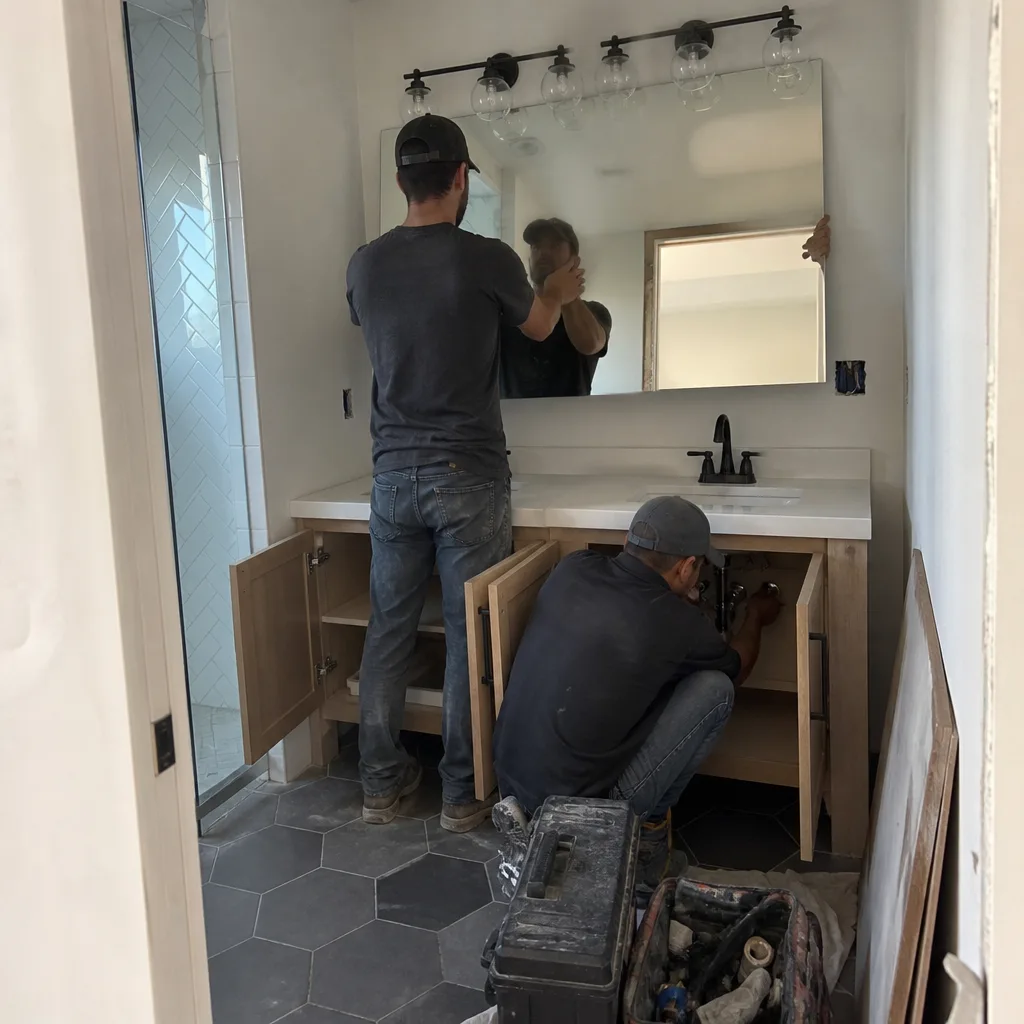
- Comparing bids with different scope boundaries. One contractor includes the panel upgrade; another lists it as an allowance. The lower bid is not cheaper; it’s incomplete. Always normalize scope before comparing price.
- Accepting a “not to exceed” quote without a written fee structure. “Not to exceed” sounds protective but often lacks the mechanism for calculating actual cost, leaving the contractor with incentive to hit the maximum. Fixed price with documented savings-sharing is preferable.
- Ignoring the permit fee line. San Jose permit fees on a major remodel can exceed $3,000. A contractor who buries this in “miscellaneous” or omits it entirely is either unlicensed or planning to permit after construction, which risks stop-work orders.
- Assuming new construction methods apply to old homes. A 1950s Willow Glen cottage does not accept modern waterproofing details without substrate preparation that a 2015 Almaden Valley home does not need. The older home is not “more expensive because it’s old”; it’s more expensive because the substrate requires more preparation.
- Choosing the lowest material tier for a long-term home. IKEA cabinets in a primary residence kitchen you plan to use for 15 years cost more over time than KraftMaid, because the hardware fails, the finish wears, and the replacement disrupts the household. We calculate lifecycle cost, not just purchase price.
- Failing to verify subcontractor payment. A low-margin contractor may delay subcontractor payment, triggering mechanic’s liens against your property. We provide unconditional lien releases from every trade upon final payment, documented in the project file.
- Starting work before the written price is complete. The most expensive words in construction are “while you’re here, could you just…” Every addition to scope requires a signed change order with a written price. We enforce this even when the request is small, because scope creep without documentation is how $85,000 kitchens become $140,000 kitchens.
When to Call a Professional
Call a licensed contractor when your project involves structural modification, electrical or plumbing changes, or any work requiring a city permit - which in San Jose includes most kitchen and bathroom remodels, all additions and ADUs, roofing replacement, and fence installation over 6 feet. The cost of professional execution is lower than the cost of correcting DIY errors, especially in pre-1980 homes where asbestos and lead complications can turn a weekend project into a hazardous materials incident.
Rowan Construction Group San Jose offers free estimates in San Jose - call (669) 271-8644. Every estimate includes a written price before any work starts, a documented photo record of conditions found, and line-item detail that lets you compare our quote against any competitor’s with full transparency.
Frequently Asked Questions
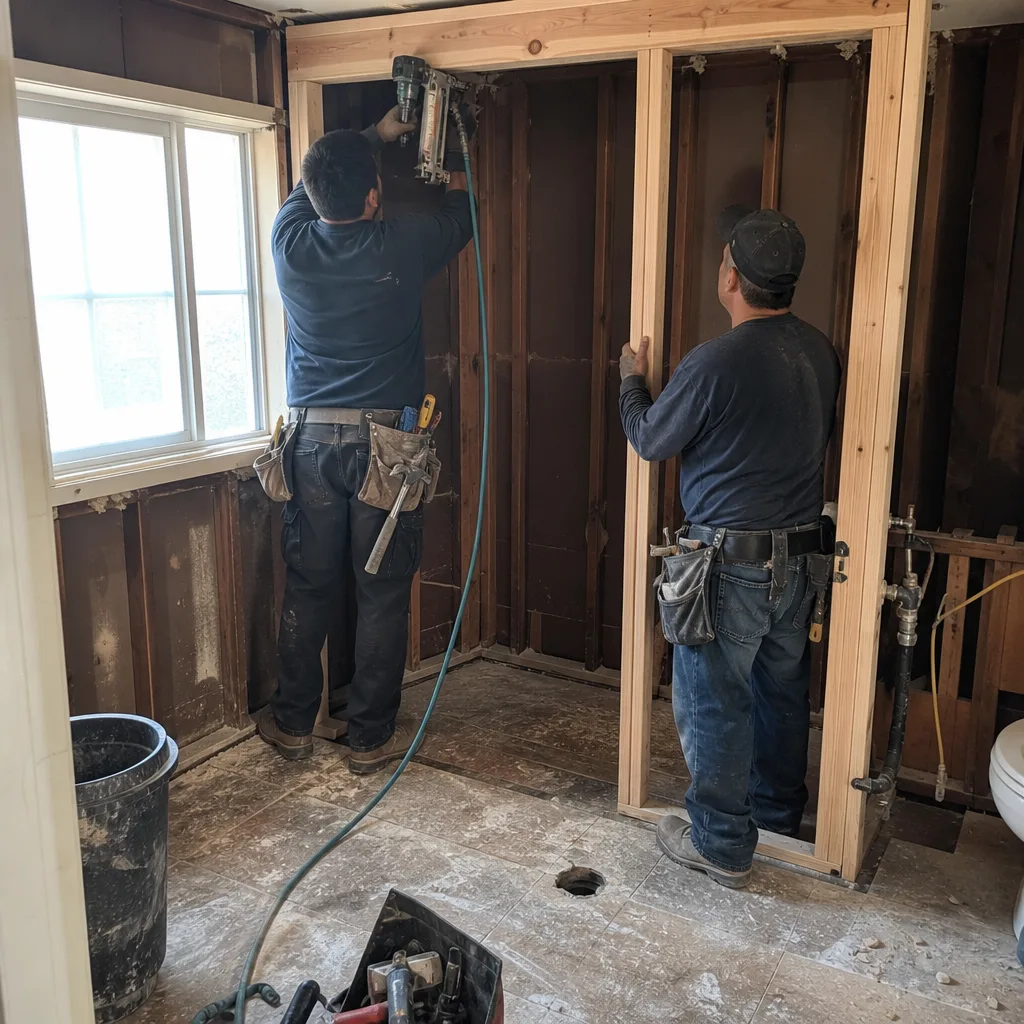
A mid-range kitchen remodel in San Jose in 2026 typically costs $75,000-$125,000, with the range driven by cabinet tier, countertop material, and whether electrical panel upgrade is required. Budget kitchen refreshes with painted cabinets and quartz countertops start around $45,000; premium renovations with custom cabinetry and natural stone can exceed $180,000. Call (669) 271-8644 for an exact quote - estimates are free.
Bid variance comes from four sources: labor rate differences between union and open-shop contractors, material tier selection (IKEA versus custom cabinets, for example), permit fee calculation methods, and whether escalation triggers like panel upgrades or asbestos testing are included or excluded. A $40,000 spread between bids often reflects scope differences, not contractor greed. We review competitor quotes line by line through our Free Second Opinion service to identify what’s actually included.
San Jose requires permits for electrical work, plumbing modifications, structural changes, roofing replacement, HVAC changes, and any project valued over $10,000. Even a bathroom remodel with relocated fixtures triggers multiple sub-permits. Unpermitted work must be disclosed on sale and can be ordered removed by the city. We pull all permits as a standard project step and include the fees in our written quote.
Reasonable overhead and profit for residential construction in San Jose is 15-25% of total project cost. Below 15% signals unsustainable business practices or hidden recovery plans; above 25% on standard work suggests insufficient bid competition. The markup covers insurance, bonding, supervision, warranty reserve, and administrative compliance. We show our margin explicitly on every quote, with the Haven Standard clause that requires this transparency.
Change orders are avoided by complete scope definition before work starts: material selections made and written into the quote, escalation triggers identified and priced conditionally, and a signed agreement that no work proceeds on modifications without a written change order. Our projects stay within a few percent of the agreed price because we enforce this discipline - no exceptions, no “while you’re here” work without documentation.
Hire a general contractor for any project involving multiple trades or permits, because the coordination cost of managing electricians, plumbers, and inspectors yourself typically exceeds the contractor’s margin, and your liability exposure increases with each uninsured or unlicensed trade. For single-trade work like fence installation or window replacement, a specialized contractor is appropriate. We offer seven trades under one license and one written price, with unified warranty coverage through the 365-Day Done Right Promise.
The Bottom Line
Construction cost breakdowns that average everything together produce budgets that fail. The San Jose homeowner who understands labor rates by trade, material tiers by brand, permit fees by project type, and escalation triggers by home age can read any bid and know what’s hidden in it. The $55,000 spread in that median kitchen remodel bid resolves into specific, knowable line items once you know how to look. Our practice since 2007 has been to put those line items in writing before anyone picks up a tool, under a system - the Haven Standard - that makes the price as fixed as the foundation we build on. The number you agree to is the number you pay, with documentation to prove what was promised and what was delivered.
Written by Grant Rowan, Owner at Rowan Construction Group San Jose, serving San Jose since 2007.