
Last updated September 24, 2026
Free written scope consultation - allowances, timeline, and change-order rules on paper before a single trade is scheduled
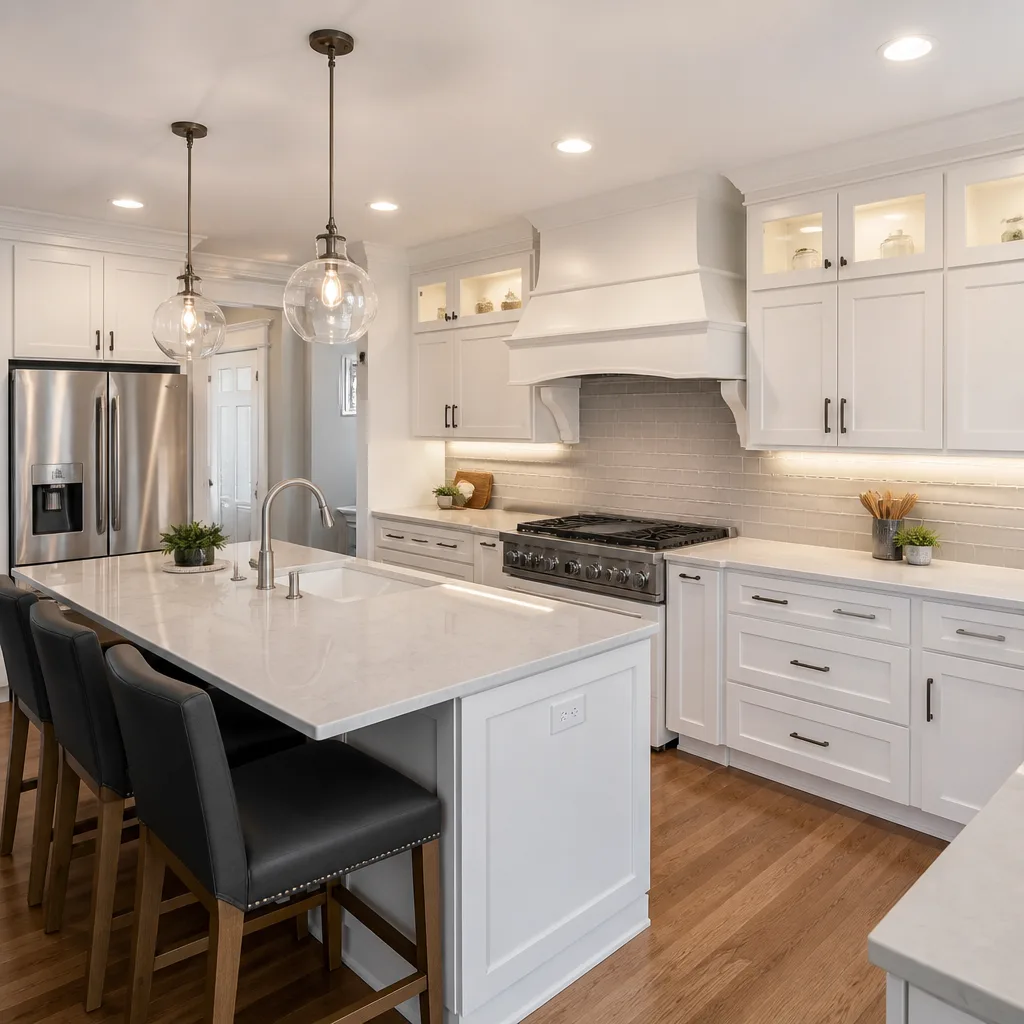
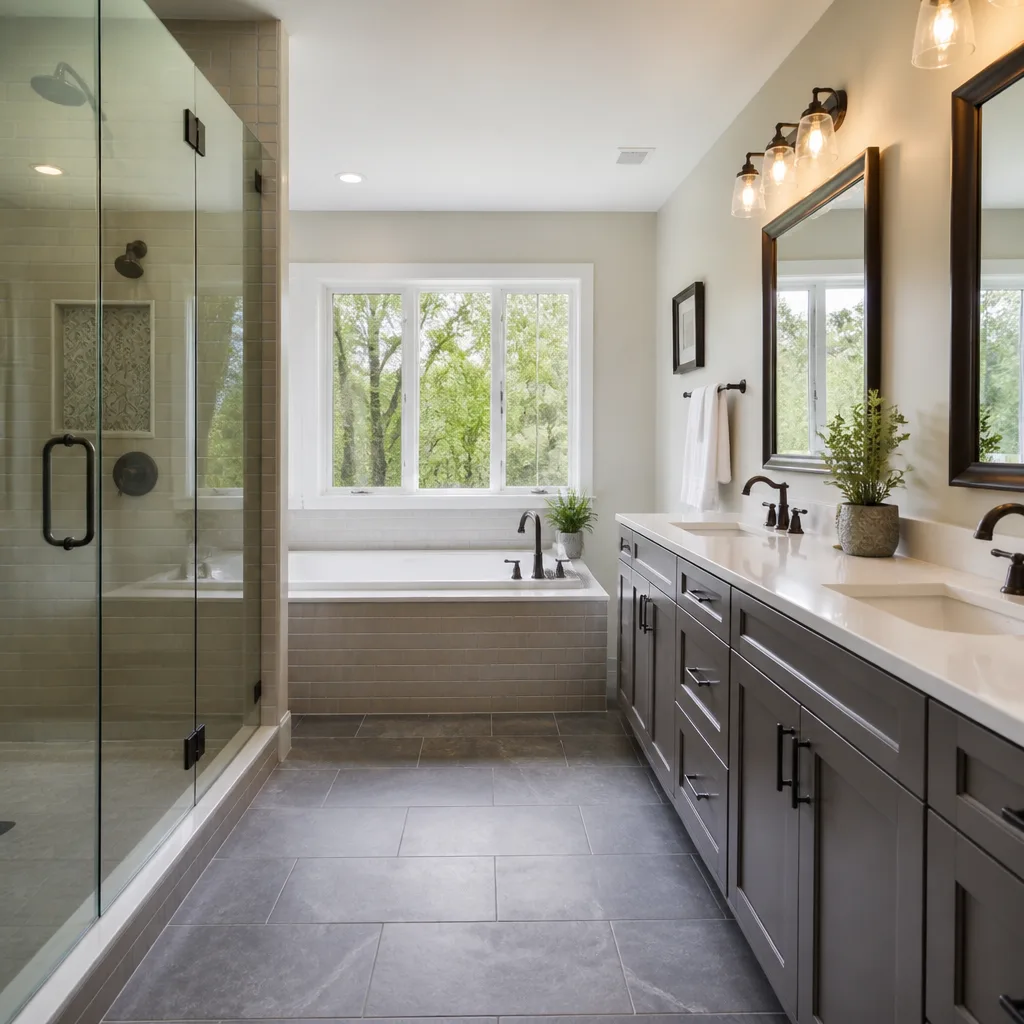
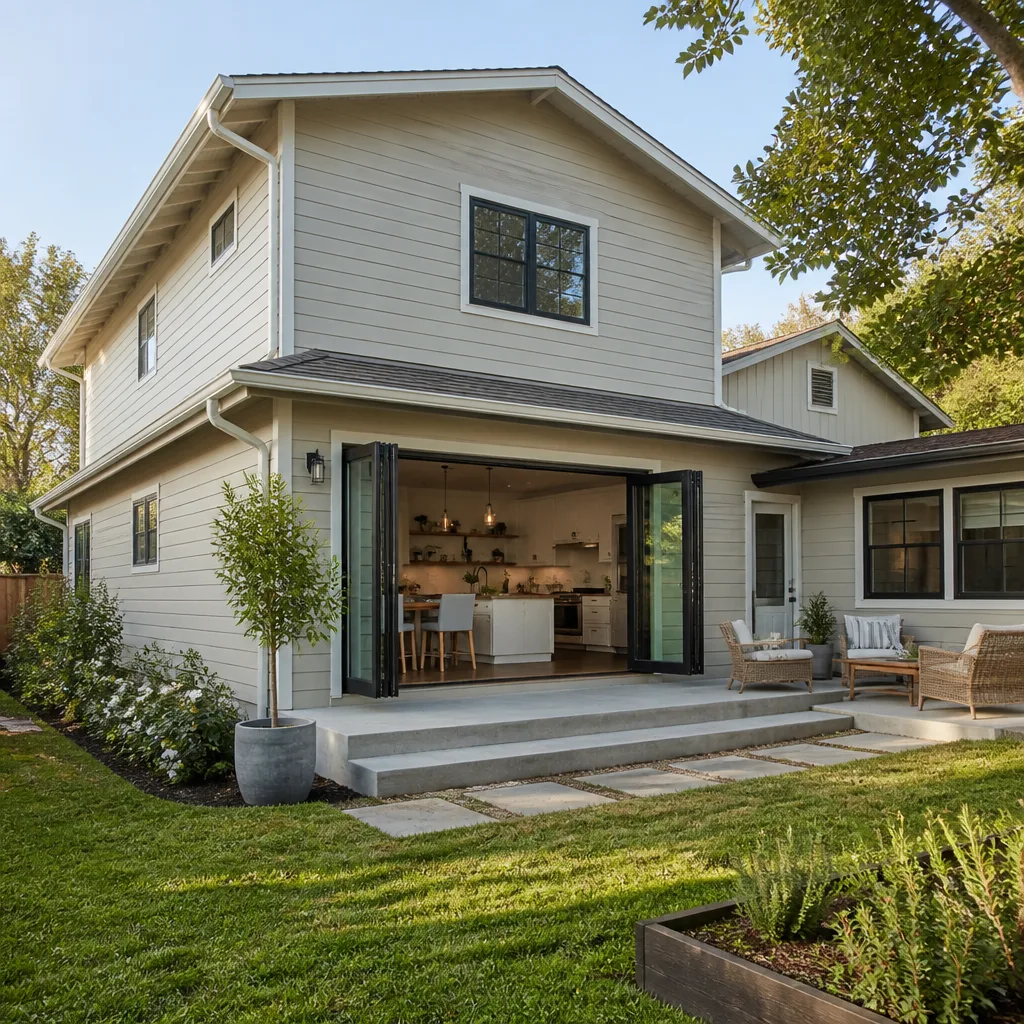
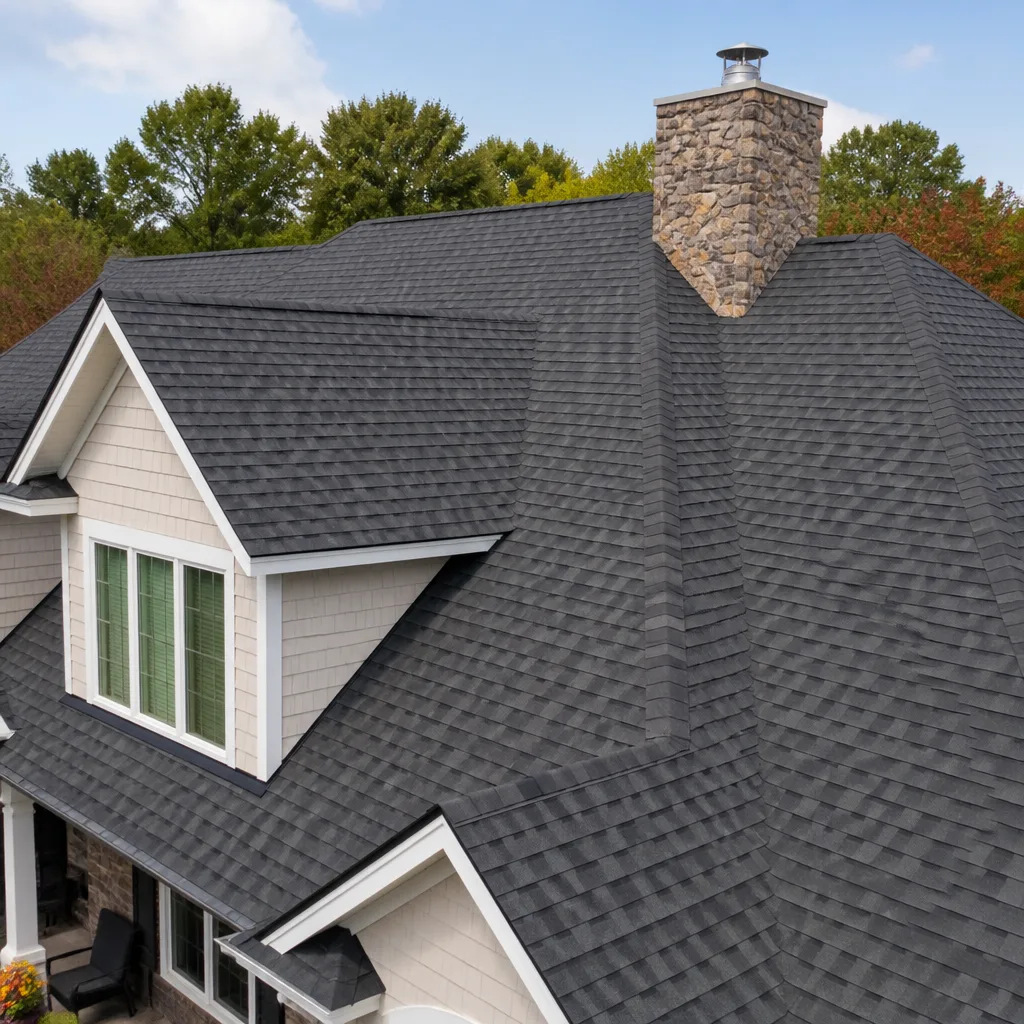
 Before
 After
After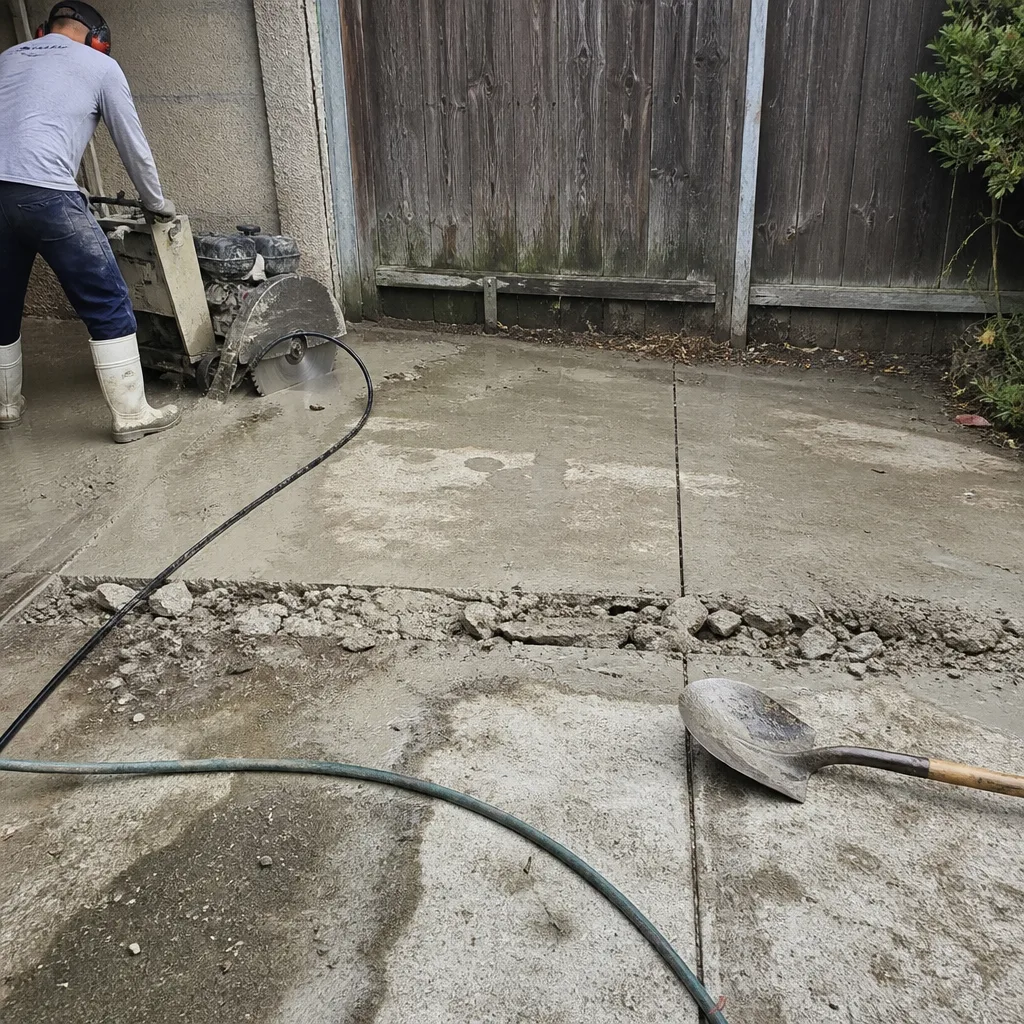 Before
 After
After Before
 After
AfterThe Complete Guide to Construction in San Jose
The San Jose Department of Planning takes an average of 6-14 weeks to issue a residential building permit in 2024 - a timeline most homeowners discover only after they’ve already signed a contractor agreement. In our experience across 4,000-plus projects, the difference between a build that finishes on budget and one that bleeds into cost overruns is decided at the kitchen table with a set of plans, not when the first nail goes in. This guide - and our more guides & resources - maps every stage of a San Jose construction project with the specific dollar ranges, document names, and agency contacts that generic contractor advice never includes.
Quick Answer
Construction in San Jose requires navigating a three-tier permit system, California’s strict contractor licensing laws, and bay-area-specific soil conditions that can add $8,000-$25,000 to foundation costs compared to inland markets. A compliant residential project needs a written contract with change-order clauses per Business and Professions Code Section 7159, proper trade licensing for electrical, plumbing, and HVAC work, and realistic budgeting of $180-$340 per square foot for additions and $350-$550 per square foot for full custom rebuilds in the 2025-2026 labor market.
Table of Contents
- San Jose’s Three-Tier Permit System: What You’re Actually Waiting For
- Bay Area Soil Conditions That Change Your Foundation Budget
- California Trade Licensing: When You Need Seven Different Contractors
- Realistic Construction Costs in San Jose’s 2025-2026 Market
- What a Compliant Construction Contract Looks Like Under California Law
- From Plans to Final Inspection: A 12-Step Walkthrough
- Common Mistakes to Avoid
- When to Call a Professional
- Frequently Asked Questions
 Before
 After
AfterSan Jose’s Three-Tier Permit System: What You’re Actually Waiting For
San Jose operates three distinct permit tracks, and knowing which one applies to your project determines whether you’re breaking ground in two weeks or four months.
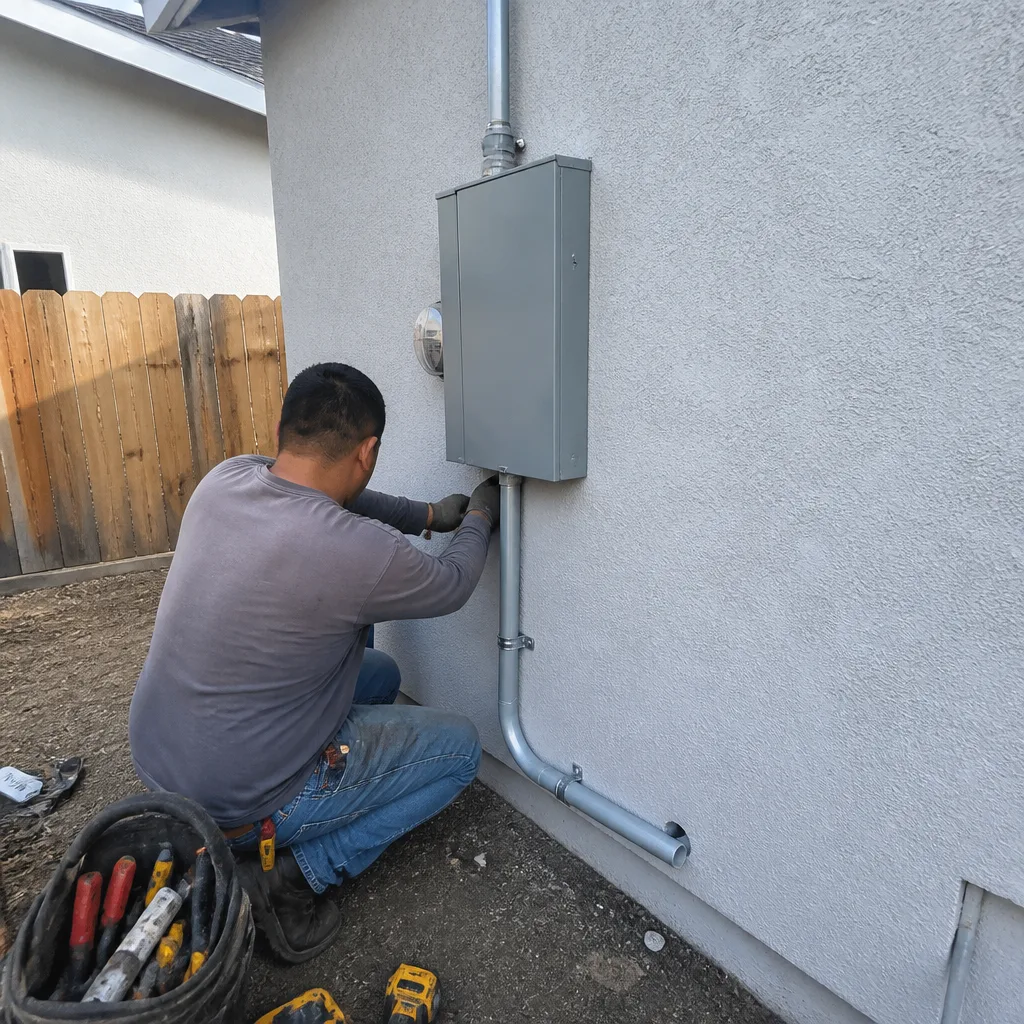
Over-the-Counter Permits cover straightforward replacements with no layout changes: water heater swaps, roof overlays where the sheathing stays intact, electrical panel upgrades within the same amperage, and window-for-window replacements. The fee schedule runs $150-$450 depending on valuation, and the permit issues the same day at the San Jose City Hall permit center on Santa Clara Street. You’ll still need a final inspection, but there’s no plan review queue.
Plan-Check Permits apply to most remodeling work - kitchen relocations, bathroom expansions, non-structural room conversions. San Jose’s Planning Division routes these to either a 15-day expedited track (simple projects under $75,000 valuation) or a 28-day standard track. The 2024 fee schedule charges $1,200-$3,800 for plan check depending on project valuation, plus a separate building permit fee of roughly 1.2% of construction cost. In our experience, plan-check delays happen when homeowners submit hand-drawn sketches rather than plans stamped by a California-licensed architect or engineer. San Jose accepts digital plan submission through the Rowan Construction Group San Jose home portal, but the reviewer still marks up PDFs with handwritten redlines that can cycle two or three times.
Full Review Permits trigger for structural work, any project touching the foundation, ADUs, second-story additions, and anything in a FEMA flood zone or state liquefaction zone. This is your 6-14 week timeline. The project goes before the Planning Commission if it triggers zoning variances, and to the Historic Landmarks Commission for properties in the Hensley Historic District or other designated zones near downtown. The full review fee starts at $4,500 and scales with project complexity. We’ve seen a Willow Glen second-story addition take 11 weeks because the neighbor’s tree root system triggered an arborist report that went to the Environmental Services Department as a separate review parallel to building.
One San Jose-specific wrinkle: the city adopted Reach Code amendments in 2023 that exceed Title 24 baseline requirements. All-electric new construction and major renovations now require heat pump water heaters and pre-wiring for EV charging in garages. These aren’t optional upgrades; they’re inspection points. Your contractor’s permit drawings must show the heat pump location and the 240V EV circuit, or the inspector fails the rough electrical.
Bay Area Soil Conditions That Change Your Foundation Budget
San Jose sits on a geologic patchwork that most homeowners never think about until a soils report arrives with a five-figure surprise.
Expansive Clay Soils dominate south San Jose neighborhoods like Almaden Valley, Blossom Valley, and parts of Evergreen. These montmorillonite clays swell when wet and shrink when dry, exerting enough pressure to crack conventional slab foundations. The fix is a post-tensioned slab or pier-and-beam foundation with deeper footings, typically adding $12,000-$22,000 to a single-story foundation compared to standard construction. We’ve replaced foundations in Almaden where the original 1980s slab heaved three inches in a wet winter, tearing the drywall and popping tile throughout the house.
Liquefaction Zones run near the bay shoreline and along the Guadalupe River corridor through downtown San Jose, Japantown, and the Alviso area. During seismic shaking, saturated sandy soils can lose shear strength and behave like liquid. The 2023 California Geological Survey map shows these zones extending inland as far as the 880 corridor in places. Foundation requirements here include ground improvement (stone columns or deep soil mixing) or engineered mat foundations, adding $15,000-$35,000. One Alviso ADU project we reviewed required 20-foot-deep micropiles because the geotechnical report showed loose hydraulic fill from the 1950s - fill the original builder never disclosed.
Bedrock and Shallow Groundwater appear in the foothills along the eastern edge toward Mount Hamilton and in the Los Gatos foothills fringe. Bedrock is stable but expensive to excavate; shallow groundwater requires dewatering during foundation work, which means pumps running 24/7 and sediment control that San Jose’s stormwater inspectors check carefully. A dewatering operation adds $3,000-$8,000 for a typical residential project.
The practical point: any project involving new foundation work, an ADU, or a significant addition needs a geotechnical investigation before the architect finalizes plans. The $2,500-$4,500 for a soils report is cheaper than redesigning after permit submission. Under Clause 1 of the Haven Standard, Rowan includes geotechnical referral in our written scope when foundation work is involved - the price is written before anyone starts, and that includes the investigation cost.
California Trade Licensing: When You Need Seven Different Contractors
California law draws sharp lines around who can perform which work, and San Jose inspectors enforce these lines without flexibility. A general contractor’s license (Class B) does not authorize electrical, plumbing, or HVAC work - period.
Here’s how the seven trade categories break down for a typical San Jose residential project:
- General Contractor (Class B): Manages the project, performs framing, concrete, drywall, and finish carpentry. Required for any project valued over $500. In our experience, the Class B license is where most homeowners start, but it’s only the beginning.
- Electrical (Class C-10): Required for any work beyond replacing a like-for-like fixture. Panel upgrades, circuit additions, EV charging pre-wire, and all-heat-pump conversions need a C-10. San Jose’s electrical inspectors are particularly strict about AFCI/GFCI compliance in kitchen and bathroom circuits.
- Plumbing (Class C-36): Required for water heater replacement (even tank-to-tank), repiping, fixture relocation, and gas line work. The 2023 Reach Code’s heat pump water heater mandate means most San Jose water heater replacements now involve electrical as well as plumbing licensing.
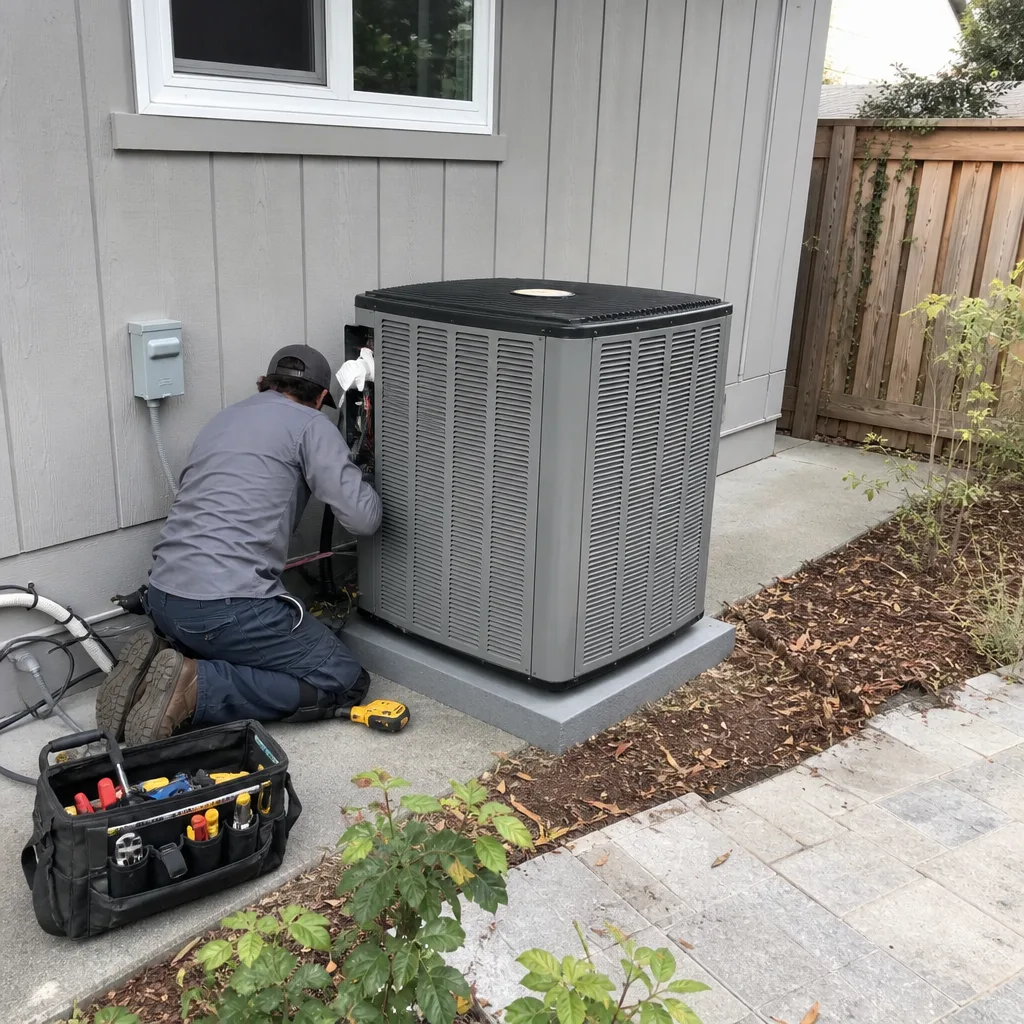
- HVAC (Class C-20): Required for furnace replacement, ductwork modification, and heat pump installation. San Jose’s all-electric new construction requirement means C-20s are increasingly paired with C-10s on the same job.
- Roofing (Class C-39): Required for any roof work beyond minor repair. San Jose requires a C-39 for complete tear-offs and overlays over 100 square feet. We use Roofing in San Jose crews with C-39 licensing for all roofing work, and we specify shingle brands like Owens Corning or CertainTeed in the written quote so the customer knows exactly what the price covers.
- Framing/Specialty: Structural steel, engineered lumber, and seismic retrofit hardware installation often require a C-5 (Framing and Rough Carpentry) or C-51 (Structural Steel) license for the specific elements, even when a Class B holds the prime contract.
- Concrete (Class C-8): Required for foundation work, retaining walls over four feet, and structural flatwork. San Jose’s expansive clay soils mean most foundation work needs a C-8 with specific experience in post-tensioned or pier systems.
The homeowner risk: an unlicensed subcontractor’s work can be red-tagged by San Jose inspectors, stopping the entire project until a licensed contractor removes and replaces the work. We’ve seen a kitchen remodel in Cambrian Park stalled for three weeks because the general contractor used an unlicensed handyman for the gas line to a new cooktop. The inspector flagged it, the gas was locked off, and the homeowner paid twice for the same 20 feet of pipe.
Under the Haven Standard, Rowan Construction Group San Jose documents every subcontractor license number in the project file, and the customer receives that documentation with the written contract. It’s not a trust exercise; it’s a verification step.
Realistic Construction Costs in San Jose’s 2025-2026 Market
San Jose construction costs run 35-55% above national averages due to labor rates, material transport, and the specialized foundation work the soils demand, as detailed in our Construction Cost Breakdown: The San Jose Homeowner’s Reference for 2026. These ranges reflect our actual written quotes from Q4 2024 through Q2 2025.
| Project Type | Cost Per Square Foot | Typical Total Range | Notes |
|---|---|---|---|
| ADU (detached, 400-800 sq ft) | $280-$420 | $112,000-$336,000 | Includes foundation, utilities, Title 24 compliance; excludes permit fees ($4,500-$8,000) |
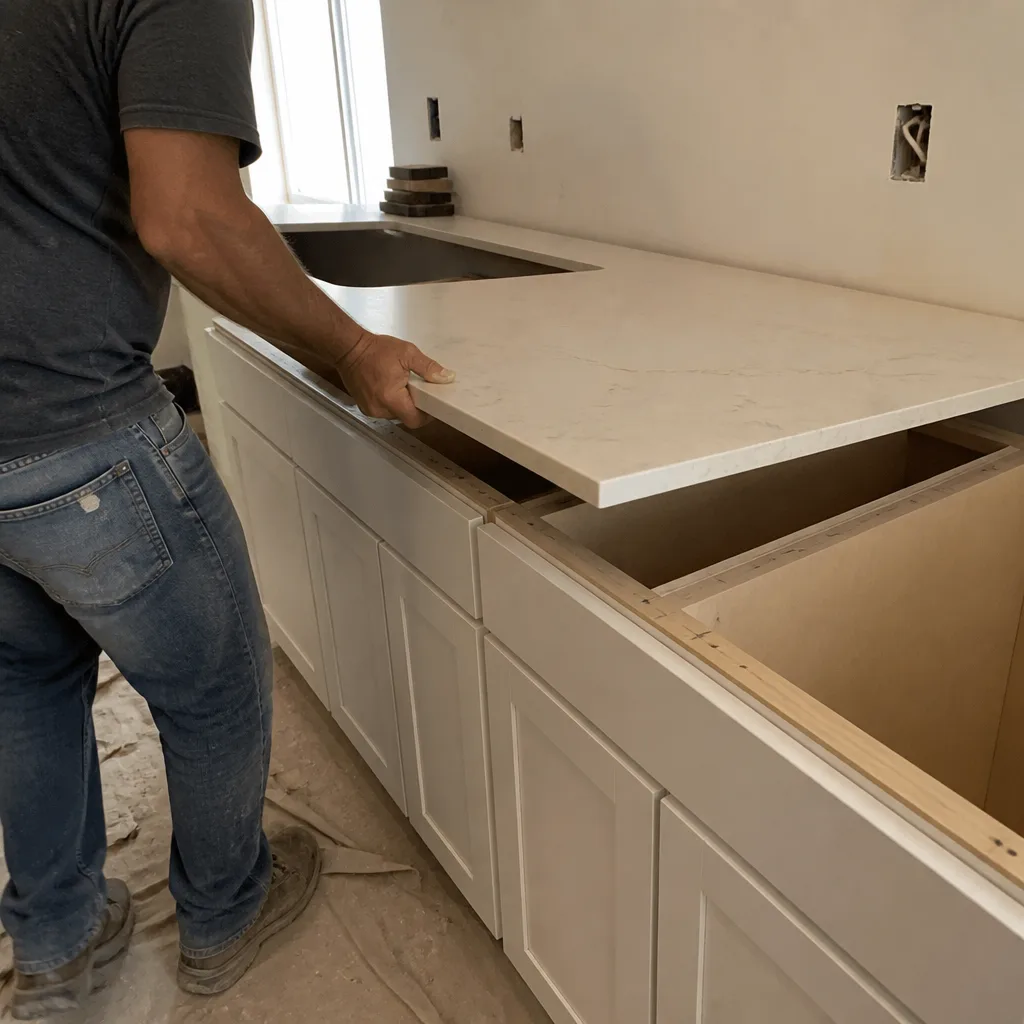
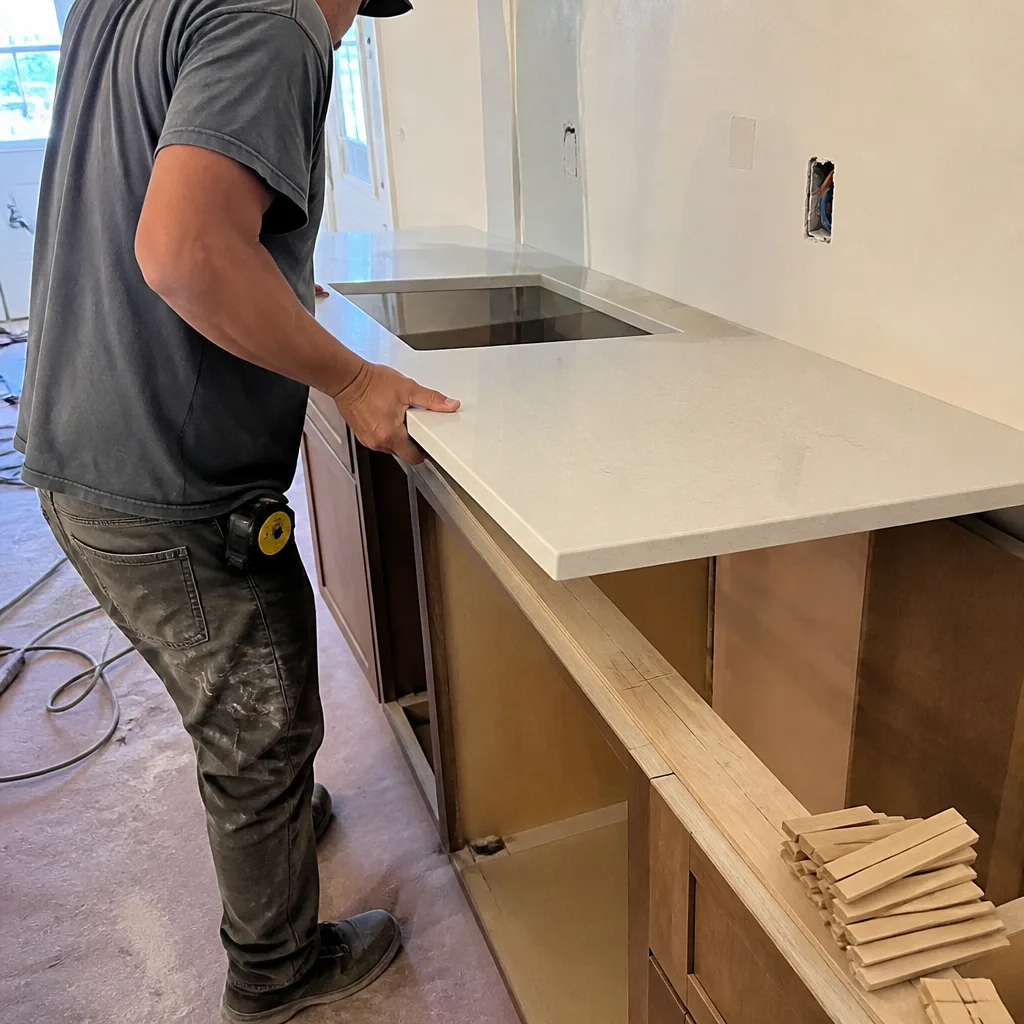
| Kitchen Remodel (major, gut to studs) | $180-$340 per sq ft of kitchen | $54,000-$136,000 | Includes cabinetry, countertops, appliances, electrical; see Kitchen Remodeling in San Jose |
| Bathroom Remodel (full, with layout change) | $220-$380 per sq ft | $33,000-$76,000 | Wet-area waterproofing, tile, plumbing relocation; see Bathroom Remodeling in San Jose |
| Room Addition (single story, slab foundation) | $180-$280 | $72,000-$196,000 | Standard soils; add 15-25% for expansive clay or liquefaction zones |
| Second-Story Addition | $220-$340 | $110,000-$340,000 | Requires structural engineering, often foundation reinforcement |
| Full Custom Rebuild (per sq ft of finished home) | $350-$550 | $700,000-$1,650,000 | High-end finishes, complex architecture, steep lots in Los Gatos foothills |
| Roof Replacement (complete tear-off) | $6.50-$12.00 per sq ft | $16,250-$48,000 | Asphalt shingle; tile or metal 40-80% higher; specify Owens Corning or CertainTeed |
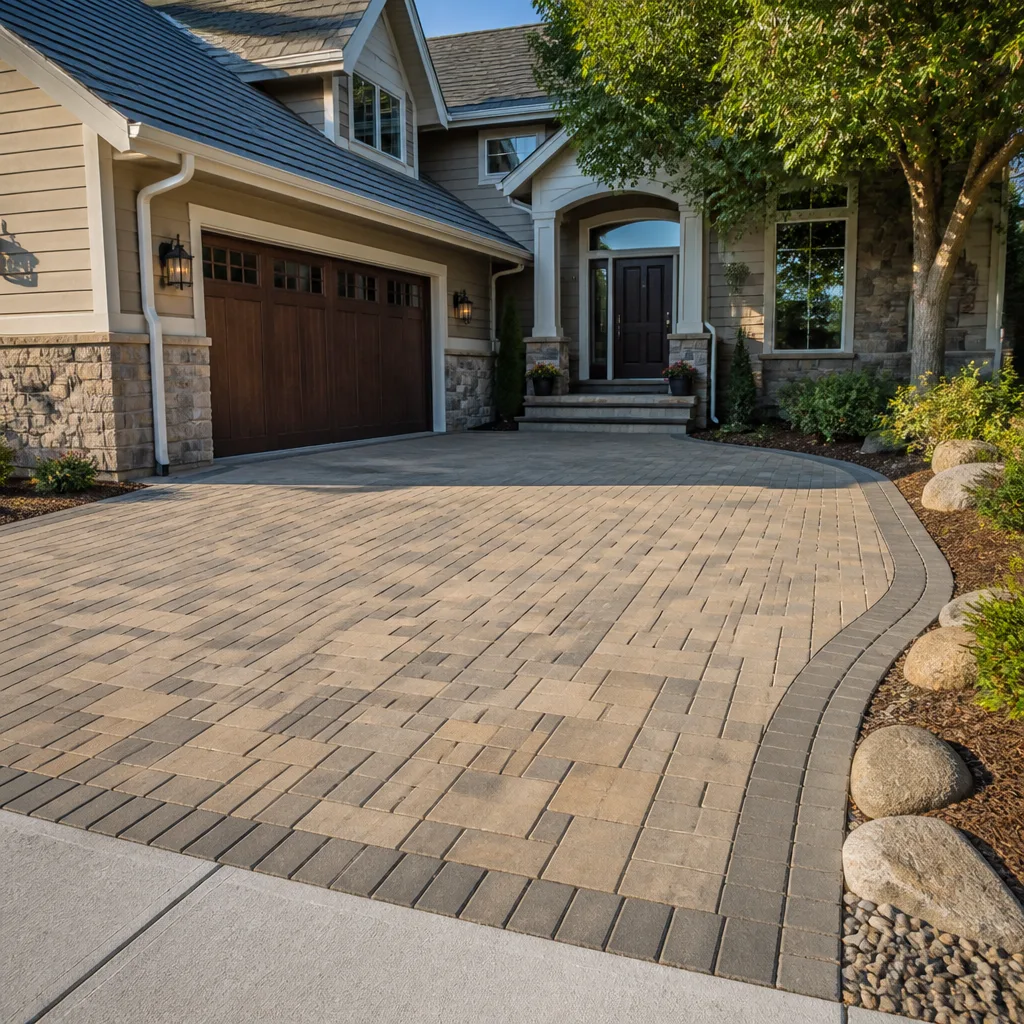
| Driveway Replacement (concrete, 2-car) | $14-$22 per sq ft | $5,600-$12,320 | Standard pour; pavers (Belgard, Techo-Bloc) 60-100% higher |
These are flat-price ranges, not estimates that balloon. Under Clause 1 of the Haven Standard, Rowan delivers a written price before any work starts, with line-item breakdowns by trade. The customer can screenshot and compare. We’ve maintained this discipline since 2007, and it’s why our projects finish within a few percent of the agreed number.
Permit fees add 2-4% on top of construction costs for full-review projects. San Jose’s 2024 fee schedule includes:
- Plan check: $1,200-$3,800 (expedited) or $2,800-$6,500 (standard/full review)
- Building permit: approximately 1.2% of valuation
- Plumbing permit: $150-$450 per fixture group
- Electrical permit: $200-$600 for service upgrades, $80-$150 per circuit
- Mechanical permit: $180-$380 for HVAC replacement
- Impact fees for ADUs: $8,000-$15,000 (school fees, park fees, traffic impact)
The ADU impact fees deserve specific attention. San Jose reduced school impact fees for ADUs under 750 square feet in 2020, but park and traffic fees still apply. A 600-square-foot ADU in Berryessa we quoted in early 2025 carried $11,400 in impact fees alone - a number that surprises homeowners who budgeted only for construction.
What a Compliant Construction Contract Looks Like Under California Law
California Business and Professions Code Section 7159 mandates specific contract terms for residential construction projects over $500. A contract missing these terms is unenforceable against the homeowner, and contractors who omit them face license discipline by the CSLB.
The required elements are non-negotiable:
- Contractor’s name, license number, and address. The license must be current and in good standing; verify at cslb.ca.gov.
- Approximate start and completion dates. “Approximately” is the statutory language - California recognizes construction scheduling has variables, but the contract must frame them.
- Description of work to be performed. Vague scopes (“remodel kitchen”) fail the statute. The description must specify materials, brands where selected, and work boundaries. Rowan’s contracts name the cabinet line (KraftMaid, Wellborn), the countertop material (Cambria, Caesarstone), the fixture brand (Kohler, Toto) - the customer knows what the price buys.
- Total contract price. If the contract is time-and-materials, the hourly rates and markup percentages must be specified. Rowan does not use time-and-materials contracts for residential work; the price is flat and written.
- Payment schedule. California limits upfront deposits to 10% of the contract price or $1,000, whichever is less. Progress payments must be tied to completion of specific work phases, not calendar dates.
- Notice of lien rights. The contract must include the statutory notice that subcontractors and suppliers may file mechanics liens if not paid.
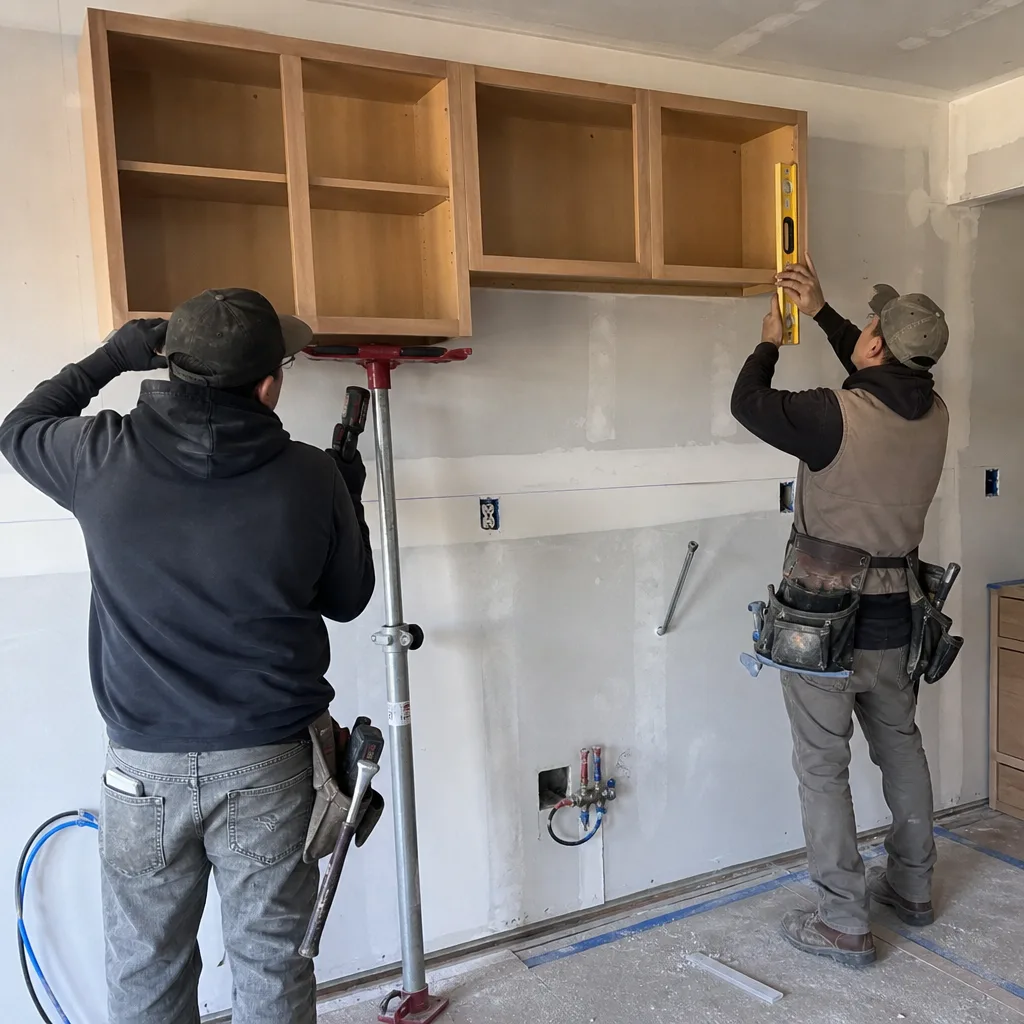
- Required change-order clause. This is where most disputes originate. Section 7159 requires that any change to the contract scope, price, or schedule be documented in a written change order signed by both parties before the changed work proceeds. Not after. Not verbally “to keep things moving.” Before.
The change-order discipline is the specific practice Haven acquired Rowan for in 2007. Our contracts include a pre-printed change-order form as an exhibit. If a homeowner in Rose Garden wants to upgrade from KraftMaid to custom cabinetry after demolition, we stop work, write the price difference, both parties sign, and only then does the new order go to the cabinet shop. No exceptions. This administrative rigor is why our projects finish within a few percent of the agreed price - the number doesn’t drift because the scope doesn’t drift.
The contract must also include:
- Proof of workers’ compensation insurance (or a signed exemption certificate for sole proprietors with no employees)
- A 10-year written warranty on structural work (California’s minimum; Rowan’s 365-Day Done Right Promise applies to all defects, not just structural)
- A three-day right to cancel for contracts solicited at the homeowner’s residence
We recommend every homeowner in San Jose request a competitor’s quote in writing, then bring it to Rowan for a free second opinion. We review it line by line against Section 7159 requirements at no charge. The three-star reviewers are right to be suspicious of contracts that feel light on specifics.
From Plans to Final Inspection: A 12-Step Walkthrough
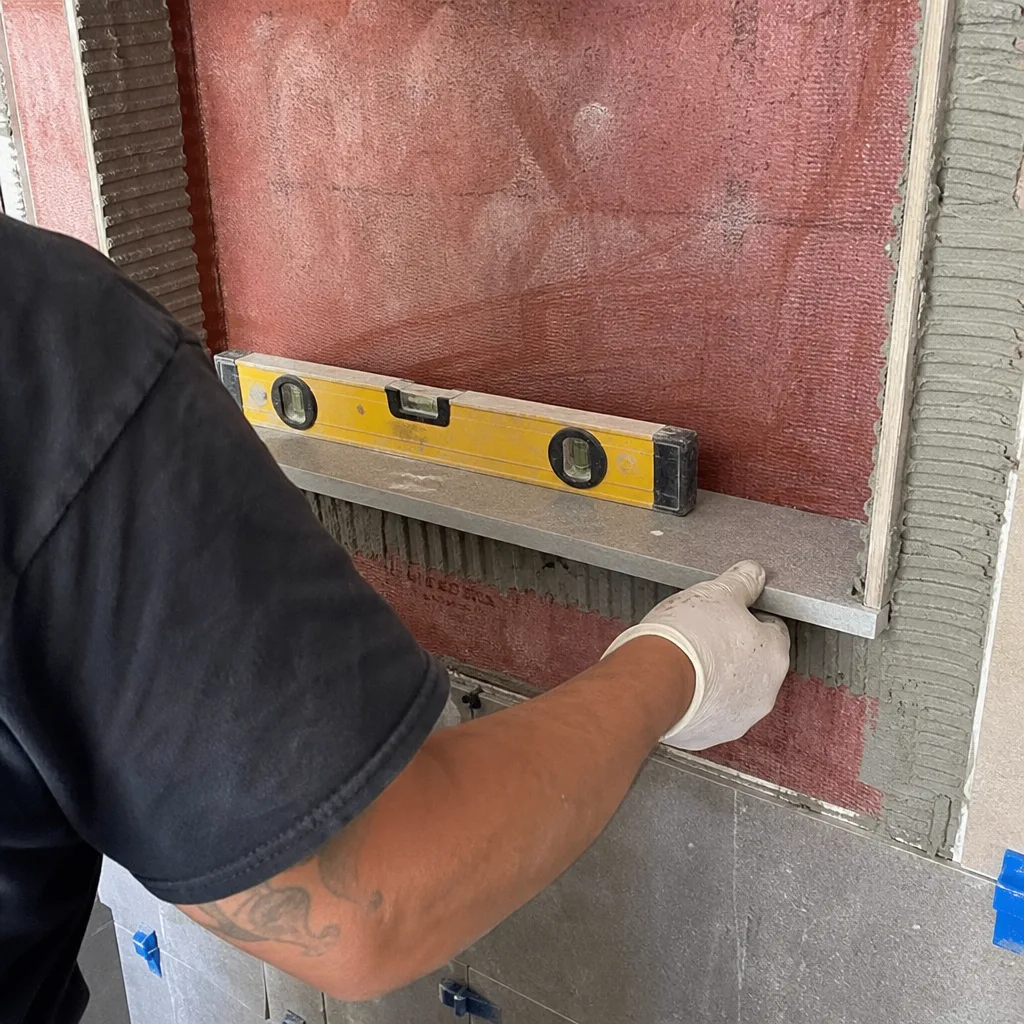
This is the sequence we’ve refined across 4,000-plus projects. Steps vary by project type, but the order holds.
- Feasibility and budget alignment. Before drawings, we walk the property, discuss the program, and deliver a written rough-order-of-magnitude range. No charge. No commitment. The customer knows whether the project fits their budget before paying an architect.
- Architectural and structural design. For projects requiring plans, we refer to vetted architects and structural engineers familiar with San Jose’s plan-check quirks. The architect produces permit drawings; the engineer produces calculations for structural elements.
- Geotechnical investigation (if required). Ordered after preliminary design, before final plans. The soils report drives foundation specifications that the structural engineer incorporates.
- Permit application and plan check. Submitted digitally through San Jose’s Accela portal. We track the review cycle, respond to corrections, and schedule resubmittals. Typical cycle: 2-4 rounds of corrections for full-review projects.
- Permit issuance and notice of commencement. Once issued, we post the permit, notify the homeowner’s insurance carrier, and schedule the pre-construction meeting.
- Demolition and site preparation. Includes utility shutoffs, dust control per San Jose’s air quality requirements, and hazardous material testing for pre-1978 homes (lead paint) and pre-1981 homes (asbestos).
- Foundation and rough framing. Inspected before covering. San Jose’s framing inspectors check shear-wall nailing patterns, hold-down hardware, and fire-blocking - especially critical in hillside construction.
- Rough mechanical, electrical, and plumbing (MEP). Three separate inspections, often coordinated on the same day. The inspector checks pipe pressure tests, electrical panel labeling, and duct sealing.
- Insulation and Title 24 compliance verification. HERS raters verify duct leakage and envelope tightness for most projects. San Jose’s Reach Code adds heat pump water heater and EV pre-wire verification.
- Drywall, finish carpentry, and fixtures. The visible work. Our crews document progress with photos at each stage; the customer receives the photo record as standard, not as an upgrade.
- Final inspections and certificate of occupancy. All trades must pass final inspection before the certificate issues. San Jose offers same-day re-inspection for minor corrections if scheduled before noon.
- Warranty documentation and final walkthrough. We deliver the written warranty, the final photo record, and the maintenance schedule. The 365-Day Done Right Promise is printed on every page, backed by a terms page, not an asterisk.
The total timeline from feasibility to final walkthrough runs 4-8 months for a major kitchen remodel, 8-14 months for an ADU, and 12-24 months for a significant addition or rebuild. Permit queue time is the variable most outside contractor control - which is why we emphasize early permit submission and responsive correction cycles.
Common Mistakes to Avoid
- Starting design before checking the budget. We’ve seen $40,000 in architectural fees spent on a design that would cost $400,000 to build - in a $250,000 budget. Rowan’s feasibility walk delivers a written range before the architect starts.
- Assuming a general contractor can self-perform all trades. In San Jose, a Class B cannot legally run electrical wire or solder copper pipe. Verify every trade license, or risk red tags and rework.
- Ignoring soil conditions until after permit submission. A soils report that arrives mid-plan-check forces redesign, new engineering, and re-queueing at the back of the plan-check line. Order geotechnical early.
- Accepting verbal change orders. California law requires written, signed change orders. Verbal agreements are unenforceable and the leading source of cost disputes. Rowan’s discipline: no work proceeds on a change until the change order is signed.
- Underestimating San Jose’s Reach Code costs. The all-electric requirements add $3,000-$8,000 to most projects compared to mixed-fuel construction. Budget for it; don’t treat it as a surprise upgrade.
- Neglecting the photo record. Without documentation, disputes about pre-existing conditions or work quality devolve into memory contests. Rowan includes documented photo records on every visit as standard - the customer leaves with evidence.
- Failing to verify insurance and bonding. Ask for certificates of insurance naming you as additional insured. Uninsured worker injuries on your property can become your homeowner’s policy claim.
When to Call a Professional
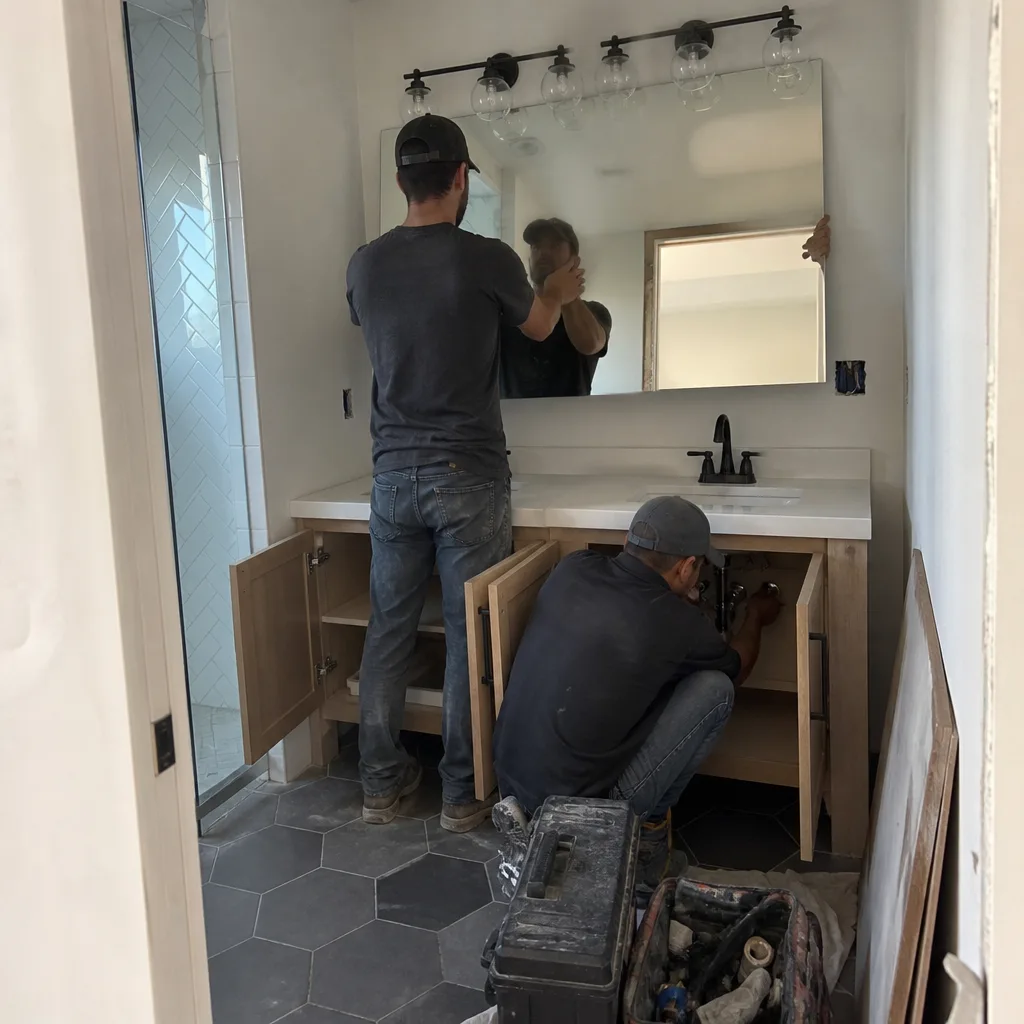
Call a licensed contractor when your project involves structural modification, foundation work, any MEP trade, or permitting beyond over-the-counter replacement. San Jose’s inspectors will stop unpermitted work and can issue civil penalties of $500 per day for ongoing violations. The cost of proper licensing and permitting is always less than the cost of tearing out and redoing work to code.
Specific scenarios that need professional evaluation: cracks in foundation walls or slabs wider than 1/4 inch (possible expansive clay damage); sagging or bouncy floors (indicating structural deficiency); electrical panels manufactured by Federal Pacific or Zinsco (known fire hazards, common in 1960s-1980s San Jose construction); and any project in a FEMA flood zone or state liquefaction zone.
Rowan Construction Group San Jose offers free estimates throughout San Jose - call (669) 271-8644 to schedule. We’ll walk the property, discuss your project, and deliver a written price before any work starts. Bring a competitor’s written quote and we’ll review it line by line at no charge.
Frequently Asked Questions
Detached ADUs in San Jose typically cost $280-$420 per square foot, or $112,000-$336,000 for a 400-800 square foot unit, excluding permit fees and impact fees that add $12,000-$23,000. The 2023 Reach Code requires all-electric construction with heat pump water heating and EV pre-wiring, which adds $3,000-$8,000 compared to mixed-fuel builds. Call (669) 271-8644 for a written quote on your specific site - estimates are free.
Over-the-counter permits issue same day; plan-check permits take 15-28 days; full-review permits average 6-14 weeks depending on project complexity and correction cycles. Projects in historic districts or requiring zoning variances can extend to 20 weeks. The timeline starts when complete, corrected plans are submitted, not when you first contact the city.
Yes. California requires C-10 (electrical) and C-36 (plumbing) licenses for all work beyond like-for-like fixture replacement. A general contractor’s Class B license does not authorize these trades. San Jose inspectors verify licenses at rough inspection and will red-tag unlicensed work.
At Rowan, the price does not change unless the scope changes - and no scope change proceeds without a signed change order under Clause 1 of the Haven Standard. Our projects finish within a few percent of the agreed price because the administrative discipline prevents drift. Call (669) 271-8644 for a written flat price on your project.
Expansive clay in south San Jose (Almaden, Blossom Valley, Evergreen) requires post-tensioned or pier foundations, adding $12,000-$22,000. Liquefaction zones near the bay and Guadalupe River corridor require ground improvement or engineered foundations, adding $15,000-$35,000. Bedrock in the eastern foothills increases excavation costs. A geotechnical investigation before design finalization prevents surprises.
Business and Professions Code Section 7159 requires: contractor name, license number, and address; approximate start and completion dates; detailed scope of work; total contract price; payment schedule limited to 10% deposit; notice of lien rights; and a written change-order clause signed by both parties before changed work proceeds. Rowan includes all required terms plus specific material brands, license documentation, and the 365-Day Done Right Promise in every contract.
The Bottom Line
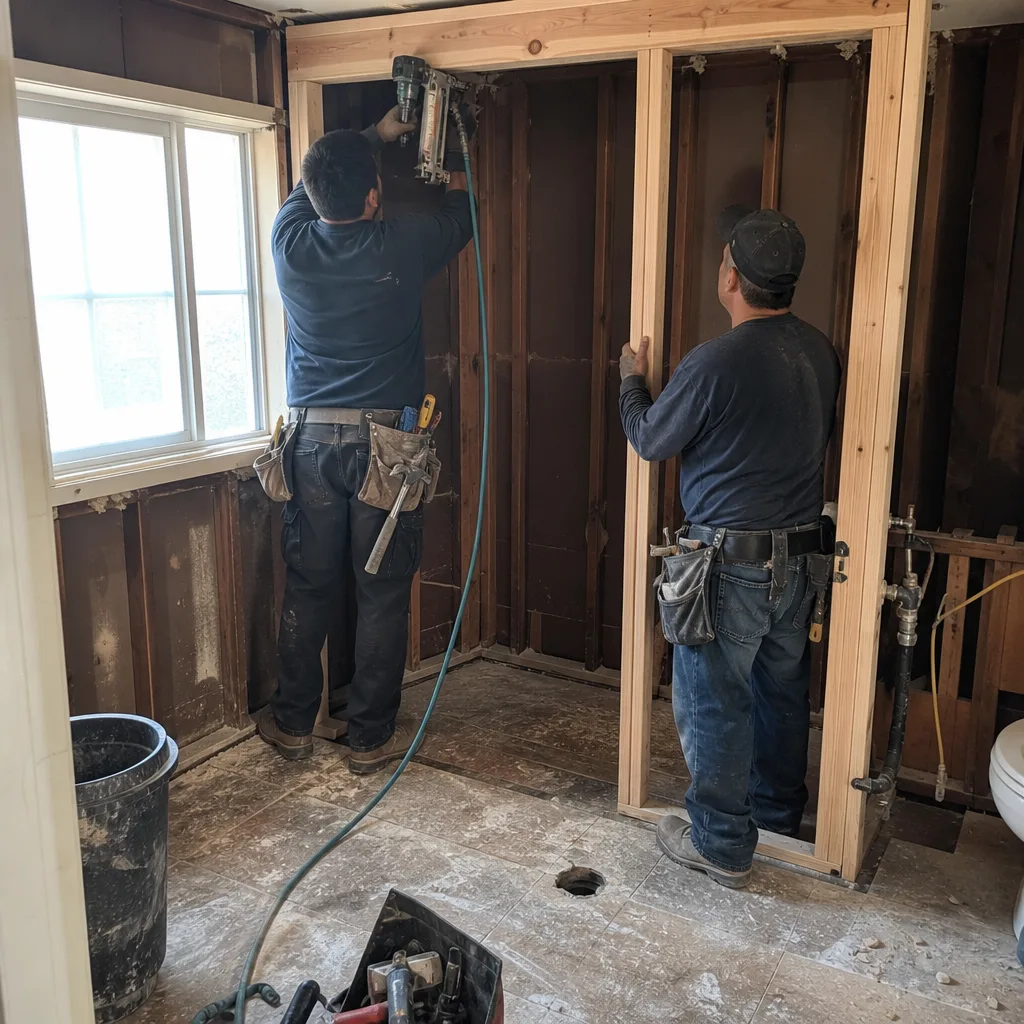
San Jose construction rewards preparation and punishes optimism. The 6-14 week permit timeline, the bay-area soil conditions that can add five figures to foundation costs, and the seven-trade licensing structure create a local gauntlet that generic advice misses. Success means getting the soils report before the architect finishes, demanding written change orders before any scope drifts, and choosing a contractor who puts the number in writing before anyone picks up a tool.
Since 2007, Rowan Construction Group has delivered 4,000-plus projects with a written price before work started and a documented record when the crew left. The Haven Standard’s Clause 1 - written price, always - is the discipline that keeps projects within a few percent of the agreed cost. For a free estimate in San Jose, call (669) 271-8644. Bring a competitor’s written quote and we’ll review it line by line at no charge.
Written by Grant Rowan, Owner at Rowan Construction Group San Jose, serving San Jose since 2007.